
Resources

Mobile Applications in Education

In recent years, the education industry has experienced a profound transformation. One of the most impactful changes has been the integration of mobile applications into educational processes. Mobile apps have revolutionized how we learn, teach, and manage educational tasks, creating a more dynamic and accessible learning environment. This blog will explore the myriad ways mobile applications are shaping the education industry, the benefits they offer, and the role of mobile app development companies in this evolving landscape.

The Rise of eLearning Mobile Apps

The advent of smartphones and the ubiquity of the internet have paved the way for the rise of eLearning mobile apps. These apps provide a platform for students to access educational content anytime, anywhere, making learning more flexible and personalized. Whether it’s a language learning app like Duolingo, a mathematics-focused app like Khan Academy, or comprehensive educational platforms like Coursera and edX, eLearning mobile apps cater to a wide range of subjects and skill levels.

Benefits of Mobile Applications in Education

  • Accessibility and Convenience:- Mobile applications have broken down geographical and temporal barriers to education. Students no longer need to be physically present in a classroom to learn. They can access lectures, reading materials, and assignments from their devices at their convenience. This is particularly beneficial for adult learners and professionals who may have other commitments.
  • Personalized Learning:- One of the standout features of eLearning mobile apps is the ability to offer personalized learning experiences. Apps can adapt to the pace and style of each learner, providing customized content that suits their learning needs. This adaptive learning technology ensures that students receive the support they need to succeed.
  • Interactive and Engaging:- Content Mobile apps leverage multimedia content—videos, animations, quizzes, and interactive exercises—to make learning more engaging. This interactive approach not only makes learning fun but also helps in better retention of information. Gamification elements, such as badges and leaderboards, further motivate students to engage with the content.
  • Real-Time Feedback and Assessment:- Mobile applications facilitate real-time feedback and assessment, allowing students to track their progress instantly. This immediate feedback loop helps students identify areas of improvement and work on them promptly. It also allows educators to monitor student performance and provide timely interventions.
  • Collaboration and Communication:- Many educational apps feature collaboration tools that enable students to work together on projects, participate in discussions, and communicate with teachers and peers. This fosters a sense of community and enhances the learning experience by promoting collaborative learning.

Role of Mobile App Development Companies

Mobile app development companies play a crucial role in the integration of mobile technology into the education industry. These companies design and develop eLearning mobile apps that meet the specific needs of educational institutions, educators, and learners. Here’s how they contribute:

  • Customized Solutions:- Mobile app development companies offer customized solutions tailored to the unique requirements of educational institutions. Whether it’s creating a comprehensive learning management system (LMS) or a niche app focused on a specific subject, these companies provide solutions that align with the institution’s goals and objectives.
  • User-Centric Design:- The success of an educational app largely depends on its usability. Mobile app development companies prioritize user-centric design, ensuring that the app is intuitive, easy to navigate, and accessible to users of all ages and technical proficiencies. This focus on user experience enhances engagement and satisfaction.
  • Integration with Existing Systems:- Educational institutions often have existing digital infrastructure, such as student information systems (SIS) and LMS. Mobile app development companies ensure seamless integration of new mobile apps with these existing systems, creating a cohesive and efficient digital ecosystem.
  • Scalability and Flexibility:- As educational needs evolve, mobile apps must be scalable and flexible to accommodate new features and functionalities. Mobile app development companies build apps with scalability in mind, allowing institutions to expand and update their offerings as needed without significant disruptions.
  • Security and Privacy:- As reliance on digital platforms continues to grow, ensuring data security and privacy has become a paramount concern. Mobile app development companies implement robust security measures to protect sensitive student and institutional data, ensuring compliance with relevant regulations and standards.

Case Studies of Successful eLearning Mobile Apps

To illustrate the impact of mobile applications on the education industry, let’s look at a few successful case studies:

  • Duolingo:- Duolingo is a popular language learning app that uses gamification to make learning a new language fun and engaging. With bite-sized lessons, instant feedback, and interactive exercises, Duolingo has made language learning accessible to millions of users worldwide. The app’s success lies in its user-friendly interface, adaptive learning technology, and engaging content.
  • Khan Academy:- Khan Academy provides free, high-quality educational content across various subjects, including math, science, and humanities. The app offers instructional videos, practice exercises, and personalized learning dashboards that allow students to learn at their own pace. Khan Academy has democratized access to education, particularly for students who may not have access to traditional learning resources.
  • Coursera:- Coursera partners with top universities and organizations to offer online courses, specializations, and degrees. The app provides a flexible learning environment where students can access lectures, assignments, and discussion forums from their mobile devices. Coursera’s emphasis on high-quality content and flexible learning schedules has made it a go-to platform for learners seeking to advance their education and careers.

Challenges and Future Trends

While the benefits of mobile applications in education are clear, there are challenges that need to be addressed. These include ensuring equal access to technology, maintaining student engagement in a digital environment, and protecting user data. Moreover, the rapid pace of technological advancement means that educational apps must continuously evolve to stay relevant and effective.

Looking ahead, several trends are likely to shape the future of eLearning mobile apps:

  • Artificial Intelligence and Machine Learning:- AI and machine learning will play a significant role in enhancing personalized learning experiences. These technologies can analyze student data to provide tailored content and support, improving learning outcomes.
  • Augmented Reality (AR) and Virtual Reality (VR) :- AR and VR technologies have the potential to create immersive learning experiences. From virtual labs to historical reconstructions, these technologies can bring learning to life in ways that traditional methods cannot.
  • Blockchain for Credentialing:- Blockchain technology can provide secure and verifiable credentials, making it easier for students to share their achievements with employers and educational institutions.
  • Increased Focus on Soft Skills:- As the job market evolves, there is a growing emphasis on soft skills such as communication, problem-solving, and critical thinking. eLearning mobile apps will increasingly focus on developing these skills through interactive and scenario-based learning.

Conclusion

Mobile applications have undeniably transformed the education industry, making learning more accessible, personalized, and engaging. The contributions of mobile app development companies have been instrumental in this transformation, providing customized, user-centric solutions that meet the evolving needs of educational institutions and learners. As technology continues to advance, the potential for mobile apps in education is boundless, promising an exciting future for eLearning.

In conclusion, the impact of mobile applications on the education industry is profound and far-reaching. From breaking down barriers to providing personalized learning experiences, mobile apps are redefining how we approach education. As we move forward, the collaboration between educators, learners, and mobile app development companies will be crucial in harnessing the full potential of this technological revolution.
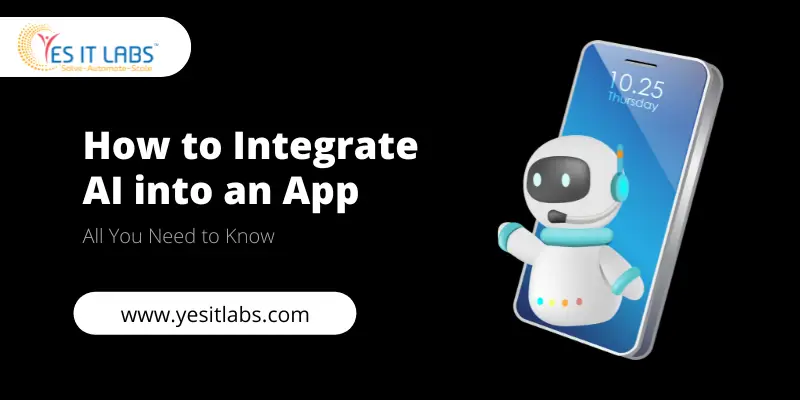

AI into an App

In today’s digital age, artificial intelligence (AI) is transforming the way we interact with technology, and mobile apps are no exception. Whether it’s for personalized recommendations, enhanced user experience, or predictive analytics, integrating AI into your app can give you a significant edge. This guide will walk you through the process, offering tips and insights to help you make the most of AI in your mobile app development journey.

Why Integrate AI into Your App?

Let’s first discuss the reasons before we delve into the methods. AI offers numerous benefits that can elevate your app to the next level:
  • Personalization: AI algorithms can analyze user data to provide personalized experiences, such as customized content or product recommendations.
  • Automation: From chatbots to automated customer support, AI can handle repetitive tasks, freeing up human resources for more complex issues.
  • Improved User Experience: Features like voice recognition, image processing, and natural language processing (NLP) can make your app more intuitive and user-friendly.
  • Predictive Analytics: AI can help you anticipate user needs and behaviors, enabling you to offer proactive solutions and services.

Steps to Integrate AI into Your Mobile App

Integrating AI into your app can seem daunting, but breaking it down into manageable steps can simplify the process.

1. Identify Your AI Use Case

The first step is to determine what you want AI to achieve in your app. This could be anything from enhancing user experience with voice assistants to leveraging machine learning for data analysis. Your use case will guide the rest of the integration process.

Examples of AI Use Cases:

  • E-commerce Apps: Personalized shopping recommendations, chatbots for customer support.
  • Healthcare Apps: Predictive diagnostics, virtual health assistants.
  • Finance Apps: Fraud detection, personalized financial advice.

2. Choose the Right AI Technology

Once you’ve identified your use case, the next step is to select the appropriate AI technology. This could involve machine learning, NLP, computer vision, or a combination of these.

Common AI Technologies:

  • Machine Learning: For predictive analytics and personalized recommendations.
  • Natural Language Processing (NLP): For chatbots, voice recognition, and sentiment analysis.
  • Computer Vision: For image and facial recognition.

3. Select an AI Platform or Framework

Several AI platforms and frameworks can help you implement AI features without starting from scratch. Some popular options include:

  • Google TensorFlow: an open-source platform designed for machine learning.
  • IBM Watson: A suite of AI tools and services for various applications.
  • Microsoft Azure AI: A cloud-based platform offering AI and machine learning services.
  • Amazon SageMaker: A fully managed service for creating, training, and deploying machine learning models.

4. Gather and Prepare Data

AI algorithms rely heavily on data. You’ll need to collect, clean, and organize data relevant to your use case. The quality of your data will significantly impact the performance of your AI models.

Data Preparation Steps:

  • Data Collection: Gather data from various sources such as user interactions, transaction logs, or external databases.
  • Data Cleaning: Eliminate duplicates, manage missing values, and rectify errors.
  • Data Annotation: Label data if needed, especially for supervised learning models.

5. Train Your AI Models

Training your AI models involves feeding them with data and allowing them to learn patterns and make predictions. Depending on your use case, this step can range from relatively simple to highly complex.

Training Steps:

  • Select a Training Algorithm: Choose an appropriate algorithm based on your use case and data.
  • Train the Model: Use your prepared data to train the model.
  • Evaluate the Model: Test the model’s accuracy and performance using a separate validation dataset.

6. Integrate AI into Your App

With your AI models trained and ready, the next step is integration into your app. This involves coding and embedding the AI functionalities into your mobile app’s architecture.

Integration Methods:

  • APIs: Use APIs provided by AI platforms (e.g., Google Cloud AI, IBM Watson) to integrate AI services.
  • SDKs: Utilize Software Development Kits (SDKs) for seamless integration.
  • Custom Code: Write custom code if you have specific requirements not met by existing APIs or SDKs.

7. Test and Optimize

Testing is crucial to ensure your AI integration works smoothly and meets user expectations. Continuous optimization based on user feedback and performance metrics will help maintain and improve your AI features.

Testing Tips:

  • Functional Testing: Ensure each AI feature works as intended.
  • Performance Testing: Check the speed and responsiveness of AI features.
  • User Testing: Collect feedback from actual users to pinpoint issues and areas for improvement.

8. Deploy and Monitor

Once testing is complete, it’s time to deploy your AI-integrated app. Post-deployment, continuous monitoring is essential to ensure everything runs smoothly and to catch any issues early.

Monitoring Tools:

  • Application Performance Management (APM) Tools: Monitor the app’s performance and detect anomalies.
  • Analytics Tools: Track user interactions with AI features to understand their impact and effectiveness.

Partnering with a Mobile App Development Company

While integrating AI into your app can be a rewarding endeavor, it can also be complex and resource-intensive. Partnering with a mobile app development company can provide the expertise and support you need to successfully implement AI.

Benefits of Partnering:

  • Expertise: Access to experienced developers and AI specialists.
  • Resources: Leverage advanced tools and technologies.
  • Efficiency: Faster development and deployment timelines.

When choosing a mobile app development company, look for those with a proven track record in AI integration and a deep understanding of your industry and specific needs.

Conclusion

Integrating AI into your mobile app can significantly enhance user experience, streamline operations, and provide valuable insights. By following the steps outlined in this guide—identifying your use case, selecting the right technology, preparing data, training models, and partnering with a reliable mobile app development company—you can successfully harness the power of AI to take your app to the next level. Whether you’re building a new app or enhancing an existing one, the potential benefits of AI are well worth the investment.

Development Techniques for ASP.NET

ASP.NET continues to be a powerful and versatile framework for building web applications, and it’s constantly evolving with new trends and innovations. Whether you’re a seasoned developer or just starting your journey, staying up-to-date with the latest development techniques can significantly enhance your skills and improve your project’s success. Let’s dive into some of the current trends and innovations in ASP.NET development services that are shaping the industry.

1. Blazor: Revolutionizing Web Development

One of the most exciting developments in the ASP.NET ecosystem is Blazor. Blazor enables developers to create dynamic web user interfaces using C# rather than JavaScript. This is a game-changer for .NET developers who prefer to work with C# across both the client and server sides.

Key Features of Blazor:

  • Component-Based Architecture: Blazor promotes a modular approach, where UIs are built using reusable components, making development more efficient and maintainable.
  • WebAssembly: Blazor WebAssembly allows .NET code to run directly in the browser, offering near-native performance.
  • Server-Side Blazor: For scenarios where WebAssembly isn’t suitable, Blazor Server enables real-time web applications with a thin client architecture.

2. Microservices Architecture: Enhancing Scalability

Microservices architecture is increasingly popular in ASP.NET development services, allowing applications to be broken down into smaller, independent services that can be developed, deployed, and scaled individually.

Benefits of Microservices:

  • Scalability: Each microservice can be scaled individually according to demand, ensuring optimal resource utilization.
  • Flexibility: Different microservices can be built using different technologies or frameworks, offering greater flexibility in choosing the best tool for the job.
  • Resilience: The failure of one microservice doesn’t necessarily affect others, improving the overall resilience of the application.

3. Azure Integration: Leveraging Cloud Capabilities

Microsoft Azure offers a robust platform for deploying ASP.NET applications, providing numerous services that enhance functionality, scalability, and security.

Azure Services for ASP.NET Development:

  • App Service: A comprehensive managed platform for creating, deploying, and scaling web applications.
  • Azure Functions: Serverless computing that allows you to run event-driven code without managing infrastructure.
  • Cosmos DB: A globally distributed, multi-model database service that supports scalable and fast data storage.
  • Azure DevOps: A set of development tools for CI/CD, enabling automated deployment and integration.

4. Modern Front-End Development: Embracing SPAs

Single Page Applications (SPAs) built with frameworks like Angular, React, or Vue.js are a staple in modern web development. ASP.NET Core seamlessly integrates with these frameworks, offering rich, interactive user experiences.

SPA Benefits:

  • Performance: SPAs load a single HTML page and dynamically update as the user interacts, providing a fast and responsive experience.
  • Development Efficiency: Using a combination of ASP.NET Core for the backend and a modern JavaScript framework for the front end streamlines development and separates concerns effectively.

5. Entity Framework Core: Simplifying Data Access

Entity Framework (EF) Core is an ORM (Object-Relational Mapper) that simplifies data access by allowing developers to work with databases using .NET objects.

Advantages of EF Core:

  • Cross-Platform: EF Core runs on Windows, macOS, and Linux, making it a versatile choice for modern applications.
  • Migrations: EF Core supports migrations, enabling seamless updates to the database schema as your application evolves.
  • LINQ Integration: LINQ queries in C# are directly translated into SQL queries, making data manipulation intuitive and efficient.

6. gRPC: High-Performance RPC Framework

gRPC is a modern, high-performance RPC (Remote Procedure Call) framework that is now fully supported in ASP.NET Core, providing a powerful alternative to REST APIs.

gRPC Features:

  • Performance: gRPC uses HTTP/2, enabling faster, more efficient communication between services.
  • Strongly Typed Contracts: gRPC enforces strong typing through Protocol Buffers (protobufs), reducing errors and improving code quality.
  • Bi-Directional Streaming: gRPC supports streaming in both directions, allowing for real-time communication scenarios.

7. DevOps and Continuous Integration/Continuous Deployment (CI/CD)

Incorporating DevOps practices and CI/CD pipelines is crucial for modern ASP.NET development, ensuring rapid, reliable, and consistent delivery of applications.

CI/CD Benefits:

  • Automated Testing: Automated tests run on each code commit, catching issues early in the development process.
  • Continuous Delivery: Code changes are automatically deployed to production, reducing manual intervention and speeding up release cycles.
  • Monitoring and Feedback: Continuous monitoring and feedback loops help in identifying and fixing issues promptly, improving the overall quality of the application.

8. Security Enhancements: Protecting Your Applications

Security is a top priority in ASP.NET development services, with numerous built-in features and best practices available to safeguard applications.

Key Security Practices:

  • Authentication and Authorization: ASP.NET Core offers robust authentication mechanisms, including support for OAuth, OpenID Connect, and JWT.
  • Data Protection: ASP.NET Core’s Data Protection APIs provide encryption and key management, ensuring sensitive data is protected.
  • HTTPS Enforcement: Ensuring all communication is encrypted via HTTPS is crucial for protecting data in transit.
  • OWASP Guidelines: Adhering to OWASP (Open Web Application Security Project) guidelines helps mitigate common security vulnerabilities.

9. Performance Optimization: Ensuring Fast and Efficient Applications

Performance optimization remains a critical aspect of ASP.NET development, with various techniques and tools available to enhance application speed and responsiveness.

Optimization Techniques:

  • Caching: Implementing caching strategies (e.g., in-memory caching, distributed caching) can drastically improve performance by reducing database load.
  • Async/Await: Utilizing asynchronous programming helps in handling multiple requests efficiently, improving application throughput.
  • Profiling and Diagnostics: Tools like Application Insights and .NET Profiler assist in identifying and resolving performance bottlenecks.

10. Community and Ecosystem: Staying Connected and Updated

The ASP.NET community is vibrant and continually contributes to the ecosystem, offering a wealth of resources, libraries, and tools that can enhance your development experience.

Community Resources:

  • GitHub Repositories: Explore and contribute to open-source projects, gaining insights and sharing knowledge with other developers.
  • Blogs and Tutorials: Follow leading blogs and tutorial sites to stay informed about the latest trends and best practices.
  • Conferences and Meetups: Participate in conferences (e.g., Microsoft Build, .NET Conf) and local meetups to network and learn from industry experts.

Conclusion

ASP.NET development services continue to evolve, embracing new technologies and methodologies that make web development more efficient, scalable, and secure. By staying updated with these trends and innovations, you can ensure that your skills remain relevant and that your projects leverage the best that ASP.NET has to offer.


Whether it’s adopting Blazor for client-side development, integrating with Azure for cloud capabilities, or implementing microservices for better scalability, the future of ASP.NET development is bright and full of possibilities.


So, keep learning, experimenting, and innovating with ASP.NET—there’s always something new to explore and master!

In today’s digital age, facial recognition technology is no longer just a futuristic concept found in sci-fi movies. It has become a significant part of our everyday lives, from unlocking our smartphones to enhancing security systems. As a team of innovative developers, we’ve had the exciting opportunity to integrate facial recognition into both web and iOS applications, pushing the boundaries of user experience and security. In this blog, we’ll take you through our journey, sharing insights and key takeaways from using this advanced technology in custom iOS app development.

Understanding Facial Recognition Technology

Before diving into the specifics of our projects, it’s crucial to understand what facial recognition technology entails. At its core, facial recognition uses biometric software to map facial features from a photograph or video. It checks the information against a database to identify a match. This technology involves several steps:

  • Face Detection: Identifying and locating faces in an image.
  • Face Capture: Converting analog information (a face) into a set of digital information based on the person’s facial features.
  • Face Matching: Comparing the captured face data with a database of known faces to find a match.

This technology relies on deep learning algorithms and AI to ensure high accuracy and efficiency. With this foundation, let’s delve into how we applied it to our web and iOS app development projects.

The Starting Point: Identifying the Need

Our journey began with a specific client request: to enhance the security and user experience of their mobile and web applications. This client operated in a high-security sector where traditional passwords and PINs were deemed insufficient. They sought a more robust authentication method that would also provide seamless user interaction. This is where facial recognition became relevant.

Custom iOS App Development with Facial Recognition

When embarking on custom iOS app development, integrating facial recognition posed both exciting possibilities and unique challenges. Here’s how we approached it:

  • Choosing the Right Tools: We utilized Apple’s Vision framework, which offers powerful tools for face detection and recognition. Leveraging Vision, we could seamlessly integrate facial recognition capabilities within the iOS ecosystem.
  • Security Measures: Given the sensitive nature of facial data, ensuring data security was paramount. We adhered to strict data encryption standards and implemented secure storage practices using Apple’s Keychain services.
  • User Experience (UX): The client emphasized the need for a smooth and intuitive user experience. We designed the facial recognition process to be swift and user-friendly, minimizing the steps required for users to authenticate themselves.
  • Testing and Calibration: To ensure accuracy, extensive testing was conducted across various lighting conditions and facial expressions. This step was crucial to fine-tune the algorithms and enhance reliability.
  • Privacy Concerns: We ensured compliance with privacy regulations like GDPR and CCPA. Users were informed about data usage, and consent was obtained explicitly before facial data was captured and stored.

Facial Recognition for Web Applications

Parallel to our iOS development, we also incorporated facial recognition into the client’s web application. This came with its own set of challenges and solutions:

  • Cross-Browser Compatibility: Ensuring the facial recognition feature worked consistently across different browsers was essential. We leveraged JavaScript libraries such as face-api.js, which provided a robust and versatile framework for face detection and recognition.
  • Real-Time Processing: For a smooth user experience, real-time face recognition was crucial. By optimizing the backend processing and using WebAssembly, we ensured that the facial recognition system operated efficiently without significant lag.
  • Server-Side Security: Protecting the facial data on the server was critical. We used secure HTTPS protocols and implemented strict access controls to safeguard the data.
  • Integration with Existing Systems: The facial recognition feature needed to integrate seamlessly with the client’s existing security infrastructure. We developed custom APIs to facilitate smooth communication between the new and existing systems.

Challenges and Solutions

While the project was ultimately successful, it was not without its challenges:

  • Data Privacy: Users’ facial data is highly sensitive. We addressed this by implementing robust encryption and securing explicit user consent. We also ensured compliance with international privacy laws.
  • Algorithm Bias: Facial recognition algorithms can sometimes exhibit bias against certain demographics. We countered this by training our models on a diverse dataset and continuously monitoring their performance to ensure fairness and accuracy.
  • Technical Limitations: Real-time facial recognition requires significant processing power. By optimizing our code and utilizing cloud-based processing where necessary, we managed to achieve the desired performance levels.

Benefits Realized

The implementation of facial recognition technology brought several key benefits:

  • Enhanced Security: The use of facial recognition significantly bolstered the security of the client’s applications, reducing the risk of unauthorized access.
  • Improved User Experience: Users enjoyed the convenience of not having to remember passwords or carry physical tokens for authentication.
  • Competitive Edge: By incorporating cutting-edge technology, our client gained a competitive advantage in their industry, showcasing their commitment to innovation and user security.

Looking Forward

The integration of facial recognition technology in web and iOS applications marks a significant step forward in custom iOS app development. It showcases how advanced technologies can enhance both security and user experience. For businesses looking to stay ahead, investing in such innovations is crucial. If you’re considering a similar upgrade or need a reliable team to handle your custom app needs, hire iOS application developers who have a proven track record in leveraging these technologies effectively.

Conclusion

Facial recognition technology is transforming how we interact with our devices and applications. Our journey in integrating this technology into web and iOS applications has been rewarding and illuminating. By prioritizing security, user experience, and ethical considerations, we’ve managed to deliver a solution that meets the high standards of our client and the needs of modern users. If you’re looking to explore the potential of facial recognition in your applications, don’t hesitate to reach out and hire iOS application developers who can bring your vision to life. Custom iOS app development, powered by the latest technologies, is the key to staying ahead in a competitive digital landscape.

Hey there! If you’re diving into the exciting world of artificial intelligence (AI), you’ve probably encountered the age-old debate: Python vs. Java. Both are powerful languages with their own strengths and weaknesses, but when it comes to AI projects, which one should you choose? Let’s break it down in this guide, so you can make an informed decision for your next big venture.

Understanding Python and Java

Before we delve into their suitability for AI projects, let’s get a quick refresher on what Python and Java bring to the table.

  • Python: Python has gained immense popularity in the AI and machine learning (ML) community due to its simplicity, readability, and vast array of libraries tailored for AI development. Libraries like TensorFlow, PyTorch, and scikit-learn have made Python the go-to language for AI enthusiasts.
  • Java: Java, on the other hand, is known for its robustness, scalability, and platform independence. While it might not be as commonly associated with AI as Python, Java still has its merits, especially when it comes to building large-scale, enterprise-level applications.

Speed and Performance

When it comes to AI, performance is crucial, especially for tasks like data processing, training large models, and running complex algorithms. In terms of raw speed, Java often outperforms Python. Java’s statically-typed nature and Just-In-Time (JIT) compilation allow for faster execution of code compared to Python’s interpreted nature.


However, Python’s extensive collection of AI-focused libraries and frameworks often make up for its performance drawbacks. Libraries like NumPy and TensorFlow have been optimized to leverage the computational power of underlying hardware, mitigating Python’s speed limitations to a great extent.

Development Speed and Ease of Use

Python takes the cake when it comes to development speed and ease of use. Its simple syntax and dynamic typing make it incredibly easy for beginners to pick up and start building AI applications in no time. Additionally, Python’s interactive shell and vast ecosystem of third-party packages make prototyping and experimentation a breeze.


Java, while more verbose than Python, offers a strong typing system and comprehensive IDE support, which can be beneficial for large-scale projects with multiple developers. However, the steep learning curve and boilerplate code often make Java less appealing for AI prototyping and experimentation.

Community and Ecosystem

Python’s vibrant community and extensive ecosystem of libraries and frameworks give it a significant edge over Java in the AI domain. From image recognition to natural language processing, you’ll find a Python library for almost every AI task imaginable. The community-driven development model also ensures regular updates and improvements to existing libraries, keeping Python at the forefront of AI innovation.


While Java’s AI ecosystem might not be as extensive as Python’s, it still offers some noteworthy libraries and frameworks like Deeplearning4j and Weka. Additionally, Java’s robustness and scalability make it a preferred choice for AI projects in industries like finance, healthcare, and telecommunications, where reliability and performance are paramount.

Integration and Deployment

Integration with existing systems and deployment to production environments are crucial aspects of any AI project. Python’s seamless integration with popular technologies like web frameworks (Django, Flask), databases, and cloud services (AWS, Google Cloud) makes it an ideal choice for building AI-powered applications that can easily interact with other components of your infrastructure.


Java, with its mature ecosystem and support for enterprise integration patterns, excels in building AI systems that need to seamlessly integrate with existing Java-based systems. Moreover, Java’s platform independence and robust deployment options make it well-suited for deploying AI models to a wide range of environments, from on-premises servers to cloud platforms.

Conclusion

So, which one should you choose for your AI project: Python or Java? The answer largely depends on your specific requirements, skillset, and the nature of your project.


  • Choose Python if you prioritize development speed, ease of use, and access to a vast array of AI libraries and frameworks. Python is an excellent choice for prototyping, experimentation, and building AI applications that require quick iteration and exploration of ideas.
  • Choose Java if you prioritize performance, scalability, and robustness, especially for building large-scale, enterprise-level AI systems. Java is well-suited for projects where reliability, maintainability, and integration with existing systems are key considerations.


Python and Java each possess distinct advantages and drawbacks in the realm of AI development. By understanding the unique features of each language and assessing your project requirements carefully, you can make an informed decision that sets you up for success in your AI endeavors. So, go ahead, pick your weapon of choice, and embark on your journey to conquer the realm of artificial intelligence!

In the fast-evolving world of web development, the combination of Strapi and React has emerged as a powerful duo for building modern applications. As we navigate through 2024, the demand for efficient, scalable, and user-friendly web solutions continues to rise, and this dynamic pairing offers an array of advantages that can help you stay ahead in the game. Whether you’re a startup looking to hire ReactJS developers or a seasoned React Native development company seeking to enhance your tech stack, understanding the benefits of Strapi and React can be a game-changer.

What is Strapi?

Strapi is an open-source headless CMS (Content Management System) that allows developers to create, manage, and distribute content seamlessly. Unlike traditional CMS platforms, a headless CMS separates the backend (content repository) from the frontend (presentation layer), providing greater flexibility and control over content delivery across various channels.

Why Choose React?

React, a JavaScript library developed by Facebook, is renowned for its ability to build highly interactive and dynamic user interfaces. Its component-based architecture and efficient rendering capabilities make it a favorite among developers for creating single-page applications (SPAs) and mobile apps.

The Perfect Pair: Strapi and React

When combined, Strapi and React offer a plethora of advantages that cater to the needs of modern web development. Let’s dive into why this combination is a go-to choice in 2024.

1. Seamless Content Management

One of the primary advantages of using Strapi is its headless nature, which allows developers to manage content without being tied to a specific frontend framework. This means you can easily integrate Strapi with React to fetch and display content dynamically. For businesses looking to hire ReactJS developers, this flexibility is a huge plus. Developers can focus on building rich user interfaces in React while leveraging Strapi’s robust content management capabilities.

2. API-First Approach

Strapi’s API-first approach ensures that all content is accessible via RESTful or GraphQL APIs. This makes it incredibly easy for React applications to consume data from Strapi. Whether you’re building a web app, a mobile app with React Native, or even a progressive web app (PWA), Strapi’s APIs provide a consistent and reliable way to access and manipulate content.

3. Customizable and Extensible

Both Strapi and React are highly customizable. Strapi allows developers to extend the CMS functionality with custom plugins, hooks, and middlewares. Similarly, React’s component-based architecture allows for the creation of reusable and modular components. This extensibility is particularly beneficial for a React Native development company looking to tailor applications to specific client needs, ensuring a unique and optimized user experience.

4. Enhanced Developer Experience

Strapi’s user-friendly admin panel and intuitive interface make content management a breeze for developers and content creators alike. On the other hand, React’s powerful developer tools, such as React DevTools, offer real-time insights into component hierarchies and states. Together, they streamline the development process, enabling developers to deliver high-quality applications faster.

5. Performance and Scalability

React is known for its efficient rendering and virtual DOM, which significantly enhance application performance. Strapi complements this by providing a lightweight and scalable backend solution. As a result, applications built with Strapi and React can handle high traffic volumes and complex data structures without compromising performance. For businesses scaling rapidly or handling large user bases, this combination ensures smooth and responsive applications.

6. Strong Community Support

Both Strapi and React boast vibrant communities and extensive documentation. This means developers have access to a wealth of resources, tutorials, and forums to troubleshoot issues and stay updated with the latest best practices. For companies aiming to hire ReactJS developers, this strong community support translates to quicker onboarding and reduced development time.

7. Future-Proof Technology Stack

In the ever-changing tech landscape, it’s crucial to choose technologies that are not only relevant today but also poised for future growth. React has been a dominant player in the frontend ecosystem for years, and its adoption continues to rise. Strapi, with its innovative approach to content management, is rapidly gaining traction. Together, they form a future-proof technology stack that can adapt to evolving business needs and technological advancements.

Real-World Use Cases

To illustrate the benefits of using Strapi and React, let’s explore some real-world use cases:

1. E-Commerce Platforms

An e-commerce platform built with Strapi and React can offer a seamless shopping experience. Strapi manages the product catalog, user accounts, and order data, while React delivers a dynamic and engaging frontend. This combination allows for features like real-time inventory updates, personalized recommendations, and responsive design across devices.

2. Content-Driven Websites

For content-heavy websites, such as blogs, news portals, or educational platforms, Strapi provides an efficient way to manage and distribute content. React ensures that the content is presented in an attractive and interactive manner. Features like infinite scrolling, lazy loading, and client-side rendering enhance user engagement and retention.

3. Mobile Applications

A React Native development company can leverage Strapi to manage backend content for mobile apps. Whether it’s a social media app, a fitness tracker, or a travel guide, Strapi’s APIs provide a consistent data source, while React Native ensures a native-like user experience on both iOS and Android platforms.

Conclusion

The combination of Strapi and React in 2024 offers an unparalleled advantage for web and mobile development. From seamless content management and API-first architecture to enhanced performance and strong community support, this dynamic duo empowers developers to create robust, scalable, and user-friendly applications. Whether you’re looking to hire ReactJS developers or partner with a React Native development company, adopting Strapi and React can elevate your projects to new heights. Embrace this powerful tech stack and stay ahead in the competitive landscape of modern web development.

In the ever-evolving landscape of web development, staying ahead of the curve is essential for any web development company. The principles guiding web application development have shifted significantly over the years, and 2024 is no different. Whether you are a seasoned developer or part of a web app development company, understanding these principles will help you create more robust, user-friendly, and future-proof applications.

1. User-Centric Design

At the heart of any successful web application lies the user. User-centric design isn’t just about making things look pretty; it’s about creating an intuitive, seamless experience that keeps users engaged and coming back. In 2024, this principle continues to dominate.

Key Aspects of User-Centric Design

  • Responsive Design: Ensure your application works well on all devices, from desktops to mobile phones.
  • Accessibility: Make your application accessible to users with disabilities by adhering to WCAG guidelines.
  • Intuitive Navigation: Design clear, straightforward navigation to help users find what they need quickly.
  • Performance Optimization: Fast loading times are crucial. Optimize your application to reduce latency and improve user experience.


A web development company that prioritizes user-centric design will naturally create more engaging and effective applications.

2. Progressive Web Apps (PWAs)

Progressive Web Apps have been a game-changer, bridging the gap between web and native applications. They offer the best of both worlds by combining the reach of the web with the functionality of native apps.

Advantages of PWAs

  • Offline Functionality: Progressive Web Apps (PWAs) can operate offline or on unreliable networks.
  • App-like Experience: They provide a native app-like experience with push notifications, background sync, and more.
  • Ease of Deployment: PWAs can be updated and maintained more easily than native apps.
  • Cost-Effective: Creating a Progressive Web App (PWA) is typically more economical than developing distinct native apps for various platforms.


For a web app development company, incorporating PWAs into their offerings can lead to more versatile and user-friendly products.

3. Microservices Architecture

Microservices architecture is a modern approach that structures an application as a collection of loosely coupled services. Each service is independently deployable and scalable, which enhances the flexibility and resilience of the application.

Benefits of Microservices

  • Scalability: Scale each service independently to handle load efficiently.
  • Resilience: Failure in one service doesn’t necessarily affect the entire application.
  • Flexibility: Teams can develop, deploy, and scale services independently, facilitating faster development cycles.


Adopting a microservices architecture allows a web development company to build more scalable and maintainable applications, which is crucial for handling growing user demands and complex functionalities.

4. Security by Design

With the increasing frequency and sophistication of cyber threats, security can no longer be an afterthought. Security by design means integrating security practices throughout the development lifecycle, from inception to deployment.

Security Practices

  • Data Encryption: Secure sensitive data by encrypting it both at rest and during transit.
  • Authentication and Authorization: Implement robust authentication mechanisms (e.g., multi-factor authentication) and granular authorization controls.
  • Regular Security Audits: Perform frequent security audits and vulnerability assessments.
  • Secure Coding Practices: Train developers on secure coding practices to prevent common vulnerabilities like SQL injection and cross-site scripting (XSS).


A web app development company that prioritizes security by design will build trust with users and protect against potential breaches.

5. Cloud-Native Development

Cloud-native development leverages the full potential of cloud computing, offering scalability, flexibility, and resilience. It involves building applications specifically designed to run in cloud environments.

Cloud-Native Principles

  • Containerization: Use containers (e.g., Docker) to package applications, ensuring consistency across environments.
  • Orchestration: Utilize orchestration tools (e.g., Kubernetes) to manage, deploy, and scale containerized applications.
  • Serverless Computing: Adopt serverless architectures (e.g., AWS Lambda) to reduce operational overhead and scale automatically.
  • DevOps Integration: Integrate DevOps practices to automate deployment, monitoring, and scaling processes.


For a web development company, embracing cloud-native development can lead to more scalable and efficient applications, capable of handling dynamic workloads.

6. Continuous Integration and Continuous Deployment (CI/CD)

CI/CD practices are essential for modern web application development, enabling rapid and reliable delivery of software updates. CI/CD automates the integration and deployment processes, ensuring that code changes are automatically tested and deployed to production environments.

Benefits of CI/CD

  • Faster Release Cycles: Speed up the development process by automating testing and deployment.
  • Improved Quality: Automated testing catches bugs early in the development cycle.
  • Reduced Risk: Small, incremental updates reduce the risk of major issues in production.
  • Feedback Loop: Faster feedback allows developers to address issues and improve features quickly.


A web app development company that implements CI/CD can ensure a smoother, more efficient development process, leading to higher quality applications and quicker time-to-market.

Conclusion

In 2024, the principles guiding web application development continue to evolve, driven by advancements in technology and changing user expectations. By focusing on user-centric design, embracing Progressive Web Apps, adopting microservices architecture, prioritizing security, leveraging cloud-native development, and implementing CI/CD practices, any web development company can stay ahead of the curve.


These principles not only improve the functionality and performance of web applications but also enhance user satisfaction and trust. As the digital landscape continues to shift, staying informed and adaptable will be key to success in the competitive world of web app development. Whether you’re developing the next big web app or refining an existing one, these principles will help you create modern, efficient, and user-friendly applications that stand the test of time.

Important-Problem-in-Magento-2.4.7

Magento, a robust e-commerce platform, powers countless online stores globally. With its rich feature set and flexibility, it’s a go-to solution for many businesses. However, like any complex software, Magento isn’t immune to issues. The latest version, Magento 2.4.7, comes with its own set of challenges that can disrupt your online store’s smooth operation. This blog will explore a critical issue in Magento 2.4.7 and provide detailed steps on how to fix it.

Understanding the Critical Issue in Magento 2.4.7

Magento 2.4.7 has introduced several enhancements and security updates. However, many users have reported a particularly vexing issue: a significant slowdown in page loading times, impacting the overall performance of their e-commerce websites. This slowdown can lead to a poor user experience, increased bounce rates, and ultimately, a loss in sales – a nightmare for any online business.

Symptoms of the Performance Issue

Before diving into the fix, it’s essential to identify the symptoms of this performance issue. You might notice:

  • Increased Page Load Times: Pages take longer to load, affecting both the front-end and the admin panel.
  • High Server Load: Your server might experience unusually high CPU and memory usage.
  • Slow Checkout Process: The checkout process becomes sluggish, potentially leading to abandoned carts.
  • Lag in Admin Operations: Administrative tasks such as updating products or processing orders take longer than usual.

Root Causes of the Issue

Several factors can contribute to the performance degradation in Magento 2.4.7:

  • Caching Issues: Improper caching configuration or outdated cache can slow down the site.
  • Third-Party Extensions: Incompatible or poorly optimized extensions can cause conflicts and slow down the system.
  • Database Optimization: A lack of database optimization can lead to slow queries and increased load times.
  • Server Configuration: Suboptimal server settings can hinder performance.
  • Codebase Inefficiencies: Inefficiencies in the codebase, such as excessive logging or unoptimized loops, can slow down processes.

Step-by-Step Guide to Fix the Performance Issue

Let’s look at the various reasons now that we know what they could be. Follow these steps to troubleshoot and fix the performance issue in Magento 2.4.7:

1. Optimize Caching

Caching is crucial for improving performance in Magento. Ensure that all cache types are enabled and correctly configured.

  • Enable Full Page Cache: Navigate to Stores > Configuration > Advanced > System > Full Page Cache and set the caching application to Varnish if you are using it.
  • Clear Cache Regularly: Regularly clear the cache using the following command:

php bin/magento cache:clean
php bin/magento cache:flush

2. Audit and Update Extensions

Third-party extensions can significantly impact your site’s performance. Perform an audit of all installed extensions:

  • Disable Unused Extensions: Disable any extensions that are not in use. You can do this through the admin panel or via CLI:

php bin/magento module:disable Vendor_Module

  • Update Extensions: Ensure all extensions are up to date. Check the extension providers for the latest versions that are compatible with Magento 2.4.7.

3. Database Optimization

Optimizing your database can lead to significant performance improvements:

  • Index Management: Ensure that all indexes are up to date. You can reindex using the following command:

php bin/magento indexer:reindex

  • Database Cleanup: Remove unused data and optimize tables. Regularly clean up logs and temporary data. For instance:

DELETE FROM report_event WHERE event_id < (SELECT MIN(event_id) FROM (SELECT event_id FROM report_event ORDER BY event_id DESC LIMIT 10000) AS temp);

4. Server Optimization

A well-configured server is critical for Magento’s performance:

  • Upgrade Server Resources: If possible, upgrade your server’s CPU and memory to handle increased load.
  • Optimize PHP and MySQL: Tweak your PHP and MySQL configurations for better performance. Increase memory limits, and optimize my.cnf settings.
  • Utilize Content Delivery Network (CDN): Use a CDN to offload static content delivery and reduce server load.

5. Codebase Review

Reviewing and optimizing your codebase can uncover inefficiencies:

  • Enable Production Mode: Ensure your store is in production mode for better performance:

php bin/magento deploy:mode:set production

  • Optimize Autoloaders: Optimize Composer’s autoloader:

composer dump-autoload -o

  • Code Profiling: Use tools like Blackfire.io or New Relic to profile your code and identify bottlenecks.

Seeking Professional Help

If the above steps seem overwhelming or do not resolve the issue, consider reaching out to a Magento development company. Professional developers have the expertise to diagnose and fix performance issues efficiently. They can provide tailored solutions and ongoing support to ensure your Magento store runs smoothly.

Conclusion

Magento 2.4.7 offers numerous improvements but also comes with its challenges. Performance issues can be daunting, but with the right approach, they can be resolved. By optimizing caching, auditing extensions, optimizing the database, fine-tuning server settings, and reviewing the codebase, you can significantly improve your store’s performance.

Remember, maintaining a healthy e-commerce site requires ongoing attention and adjustments. Regularly monitor your site’s performance and make necessary tweaks to keep it running at its best. If in doubt, a Magento development company can be an invaluable partner in maintaining and optimizing your online store. Happy selling!

The buzz around 5G is hard to ignore. Promising faster speeds, lower latency, and the ability to connect more devices simultaneously, 5G is set to revolutionize how we interact with technology. But what does this mean for mobile app development? For a mobile app development company, understanding and leveraging the capabilities of 5G will be crucial to staying ahead in the industry. In this blog, we’ll explore how 5G will impact mobile app development, from enhanced user experiences to new opportunities for innovation.

The Basics: What is 5G?

Before diving into the specifics, let’s quickly recap what 5G is. 5G stands for fifth-generation cellular network technology. It’s designed to be faster and more efficient than its predecessors (4G and LTE), offering data speeds that are up to 100 times faster, latency reduced to mere milliseconds, and the ability to support a massive number of devices per square kilometer. These features collectively contribute to a more responsive and reliable mobile experience.

1. Enhanced User Experience

One of the most significant impacts of 5G on mobile app development is the enhancement of user experience. With faster download and upload speeds, apps will be able to deliver content much more quickly. This means users will experience less buffering and faster load times, which is crucial for apps that rely heavily on media, such as streaming services and online gaming.


For a mobile app development company, this translates to the ability to create richer, more interactive experiences. High-definition video calls, real-time multiplayer gaming, and AR/VR applications will all benefit from the low latency and high-speed data transfer of 5G. This can lead to increased user engagement and satisfaction.

2. Augmented Reality (AR) and Virtual Reality (VR)

AR and VR have been on the rise, but they’ve been somewhat limited by the capabilities of 4G. The high latency and lower bandwidth made it challenging to provide seamless experiences. With 5G, these technologies can finally reach their full potential.


For instance, AR apps can offer more complex and interactive features without compromising on performance. Imagine a mobile app development company creating an AR shopping app where users can virtually try on clothes in real-time, with no lag. Similarly, VR can provide more immersive and responsive experiences, which is particularly exciting for gaming and virtual tours.

3. Internet of Things (IoT)

The Internet of Things is another area set to explode with the advent of 5G. IoT involves connecting various devices to the internet, allowing them to communicate and share data. With 5G’s ability to support a vast number of devices simultaneously, the development of IoT applications will become more feasible and efficient.


For mobile app developers, this means creating apps that can seamlessly integrate with multiple devices, from smart homes to wearable tech. A mobile app development company can leverage 5G to build more sophisticated home automation systems, healthcare monitoring apps, and more, enabling users to control and monitor their devices in real-time.

4. Edge Computing

Edge computing is about bringing computation and data storage closer to the location where it is needed, which helps reduce latency and bandwidth use. 5G’s high speed and low latency make edge computing more practical and effective.


For mobile app developers, this means apps can process data locally on the device or nearby edge servers rather than relying on distant cloud servers. This is particularly beneficial for applications requiring real-time processing, such as autonomous vehicles, real-time analytics, and smart cities. A mobile app development company can create applications that are not only faster but also more reliable, as they are less dependent on a stable internet connection.

5. Improved AI and Machine Learning

Artificial Intelligence (AI) and Machine Learning (ML) are already transforming mobile apps, but 5G will accelerate their integration and effectiveness. Faster data transfer speeds and reduced latency mean that AI-driven features, like real-time language translation, voice recognition, and personalized recommendations, can work more efficiently and accurately.


Mobile app developers can harness the power of 5G to build smarter apps that offer highly personalized user experiences. A mobile app development company can innovate with AI-powered chatbots, predictive text, and intelligent personal assistants that operate seamlessly, providing instant responses and accurate predictions.

6. Higher Quality Streaming

With 5G, streaming high-quality video and audio content will become more seamless. Users can expect 4K and even 8K video streaming with minimal buffering. This presents an excellent opportunity for mobile app developers in the media and entertainment sectors.


For example, a mobile app development company could develop a streaming app that offers ultra-high-definition video content, interactive live streaming features, and real-time audience engagement tools. The improved network capabilities of 5G will ensure that users have a smooth and immersive viewing experience.

7. Security and Privacy Considerations

While 5G brings numerous advantages, it also introduces new security challenges. The increased number of connected devices and the speed of data transfer can create more entry points for cyber-attacks. Mobile app developers need to be proactive in addressing these security concerns.


A mobile app development company must prioritize robust security measures, such as end-to-end encryption, secure authentication methods, and regular security updates, to protect user data. Additionally, developers should stay informed about the latest security threats and trends to ensure their apps remain secure in a 5G world.

Conclusion: Embracing the Future with 5G

The advent of 5G is set to bring about transformative changes in mobile app development. From enhanced user experiences and the rise of AR/VR to the proliferation of IoT and edge computing, the possibilities are vast. For a mobile app development company, staying ahead of these trends and leveraging the capabilities of 5G will be crucial to delivering innovative and high-performing apps.


As we move into this new era of connectivity, mobile app developers have a unique opportunity to redefine the boundaries of what mobile apps can achieve. By embracing 5G, they can create more engaging, efficient, and secure applications that meet the evolving needs of users and businesses alike.


So, whether you’re a developer eager to explore the latest technologies or a business looking to stay competitive, the arrival of 5G presents a myriad of opportunities to innovate and enhance the mobile experience. The future of mobile app development is brighter and faster than ever, thanks to 5G. Let’s dive in and embrace the exciting changes ahead!

Hello, tech enthusiasts and budding entrepreneurs! If you’re considering diving into the world of mobile app development or you’re already in the game, it’s crucial to stay updated with the latest statistics and trends. This year, the mobile app development landscape is more dynamic than ever, with groundbreaking innovations and evolving user preferences. Let’s explore some of the most compelling app development statistics for 2024 that can guide your strategy and decision-making.

The Ever-Growing Mobile App Market

  • Market Size and Revenue

The global mobile app market continues its impressive growth trajectory. In 2024, the market is projected to reach $935 billion in revenue, up from $693 billion in 2021. This staggering growth is driven by the increasing reliance on mobile devices for daily activities, from shopping and entertainment to health and productivity.

  • User Base Expansion

As of 2024, there are approximately 7.6 billion mobile users worldwide. This widespread adoption is a clear signal for any mobile app development company that the potential audience is vast and varied. With more people owning smartphones, the demand for innovative and functional apps is higher than ever.

  • App Downloads

In 2024, there are expected to be around 250 billion app downloads, up from 218 billion in 2020. This statistic underscores the continuous appetite for new apps and the importance of maintaining a high-quality, user-friendly app to attract and retain users.

Trends Shaping Mobile App Development

  • 5G Technology

The rollout of 5G technology is set to revolutionize mobile app development. With speeds up to 100 times faster than 4G, 5G allows for more sophisticated, data-heavy applications. Developers can now create augmented reality (AR) and virtual reality (VR) experiences, real-time multiplayer games, and more robust video streaming services.

  • Artificial Intelligence and Machine Learning

AI and ML are no longer just buzzwords; they are integral to app development. In 2024, 75% of apps are expected to incorporate some form of AI or ML. This includes everything from personalized user experiences and smart recommendations to advanced security features and efficient user support through chatbots.

  • Internet of Things (IoT) Integration

IoT integration in mobile apps is on the rise, with an expected market value of $520 billion by 2025. Apps that can control and interact with smart home devices, wearables, and industrial equipment are becoming increasingly popular. This trend is a golden opportunity for a mobile app development company to innovate and expand its offerings.

  • Increased Focus on Security

With cyber threats becoming more sophisticated, app security is paramount. In 2024, 85% of users express concerns about app security. As a result, developers are prioritizing robust security measures, including encryption, multi-factor authentication, and regular security updates to protect user data.

Popular App Categories in 2024

  • Gaming Apps

Gaming remains the most lucrative app category, expected to generate $116 billion in revenue in 2024. The rise of mobile eSports, cloud gaming, and AR-based games are major contributors to this growth. A mobile app development company focusing on gaming has a plethora of opportunities to explore.

  • Health and Fitness Apps

The global health crisis has accelerated the adoption of health and fitness apps. By 2024, this category is projected to reach a market size of $21.6 billion. Apps offering home workout routines, meditation, mental health support, and telehealth services are particularly in demand.

  • E-commerce Apps

E-commerce continues to thrive, with mobile commerce sales expected to surpass $3.5 trillion in 2024. Shoppers prefer the convenience of mobile apps for browsing and purchasing products. Features like AR for virtual try-ons, personalized recommendations, and seamless checkout processes are driving this trend.

Regional Insights

  • Asia-Pacific Leading the Charge

The Asia-Pacific region remains the largest and fastest-growing mobile app market. In 2024, it is expected to account for over 40% of global app revenue. Countries like China, India, and Indonesia are at the forefront, with a burgeoning middle class and increased smartphone penetration.

  • North America and Europe

North America and Europe continue to be significant markets for mobile app development. In North America, the focus is on high-quality apps with advanced features, while Europe emphasizes privacy and data protection, in line with GDPR regulations. Both regions are essential for any mobile app development company aiming for global reach.

Developer Insights

  • Preferred Platforms

Android and iOS remain the dominant platforms, but the preference can vary by region. In 2024, 72% of developers target Android due to its larger user base, particularly in emerging markets. However, iOS remains lucrative due to higher user spending and strong presence in developed markets.

  • Development Tools and Frameworks

Flutter and React Native continue to gain popularity among developers for their cross-platform capabilities. In 2024, 45% of developers are expected to use these frameworks to reduce development time and costs while maintaining native performance.

  • Monetization Strategies

Freemium models, in-app purchases, and subscription services are the top monetization strategies in 2024. With users increasingly willing to pay for premium features and content, these strategies are proving to be more effective than traditional ad-based models.

Conclusion: The Future is Bright for Mobile App Development

As we navigate through 2024, these statistics highlight the vibrant and ever-evolving landscape of mobile app development. Whether you’re an established mobile app development company or a startup looking to make your mark, understanding these trends and statistics can help you strategize effectively.

The market is ripe with opportunities across various categories, from gaming and health to e-commerce and IoT. By leveraging new technologies like 5G, AI, and ML, and prioritizing user security and experience, you can create innovative apps that stand out in a crowded marketplace.

Stay informed, stay agile, and most importantly, stay creative. The future of mobile app development is not just promising—it’s incredibly exciting. So, gear up and let’s build the next big thing together!