
Resources

As businesses and developers strive to reach iPhone users, understanding the best practices, tools, and benefits of iPhone application development becomes crucial. Whether you’re a seasoned developer or a business owner exploring the world of iOS apps, this comprehensive guide will walk you through everything you need to know about developing applications for the iPhone.

Why Develop Applications for iPhone?

Before diving into the specifics, it’s essential to understand why iPhone app development holds significant advantages:

Global Reach and Market Share:

iPhones enjoy a substantial market share globally, particularly in economically influential regions like the United States. Developing an iPhone app allows you to tap into this extensive user base and reach a global audience effectively.

High User Engagement:

iPhone users are known for their higher engagement levels compared to other platforms. They tend to spend more on apps and are more likely to make in-app purchases, offering developers lucrative monetization opportunities.

Brand Prestige and Trust:

Being associated with the Apple ecosystem often lends an aura of prestige and reliability to your brand. Apple’s stringent app review process ensures that only high-quality apps make it to the App Store, enhancing trust among users.

Seamless Integration with Apple Ecosystem:

Developing for iOS means seamless integration with other Apple devices and services like Apple Watch, Apple TV, iCloud, and Apple Pay, providing users with a cohesive experience across their devices.

Top Practices for iPhone Application Development

Successful iPhone app development goes beyond coding; it involves adhering to best practices that ensure your app is functional, user-friendly, and scalable. Here are some essential practices to consider:

Understand Apple’s Design Guidelines:

Apple provides comprehensive Human Interface Guidelines (HIG) that outline the principles of iOS app design. Keeping these guidelines in mind ensures compatibility with other iOS applications and enhances the user experience.

Responsive Design for Multiple Devices:

iPhones come in various sizes and resolutions. Design your app to be responsive, ensuring it looks and functions well across different iPhone models, from the compact iPhone SE to the larger iPhone Pro Max.

Optimize for Performance:

Performance optimization is critical for retaining users. Ensure your app loads quickly, responds promptly to user interactions, and consumes minimal battery and data.

Implement Robust Security Measures:

Protect user data and ensure app security by implementing encryption, secure authentication methods, and adhering to Apple’s security guidelines. This builds trust and safeguards user privacy.

Regular Testing and Debugging:

Thorough testing across various devices and iOS versions helps identify and fix bugs early in the development process. Utilize tools like Xcode’s built-in debugger and automated testing frameworks for efficiency.

Focus on Accessibility:

Make your app accessible to all users, including those with disabilities. Follow Apple’s Accessibility Guidelines to ensure your app is usable by everyone, regardless of their abilities.

Continuous Improvement with User Feedback:

Launching your app is just the beginning. Gather user feedback through reviews, analytics, and surveys to identify areas for improvement and new features that enhance user satisfaction.

Essential Tools for iPhone App Development

To build robust and feature-rich iPhone applications, developers rely on a variety of tools and technologies. Here are some essential tools that streamline the development process:

1. Xcode: Apple’s integrated development environment (IDE), Xcode, is indispensable for iPhone app development. It includes a suite of tools for coding, debugging, testing, and deploying iOS apps.

2. Swift Programming Language: Swift, Apple’s powerful and intuitive programming language, is preferred for developing iOS, macOS, watchOS, and tvOS apps. Its safety features and performance optimizations make it ideal for iPhone app development.

3. SwiftUI and UIKit: These are frameworks for building user interfaces in iOS applications. SwiftUI offers a declarative approach to UI development, while UIKit provides a more traditional, versatile framework.

4. CocoaPods and Carthage: These dependency managers for iOS projects simplify the integration of third-party libraries and frameworks, saving development time and ensuring compatibility.

5. Firebase: Google’s Firebase platform provides a comprehensive set of backend services, including real-time databases, authentication, analytics, and cloud storage, which are easily integrated into iOS apps.

6. TestFlight: iOS app developers can distribute pre-release versions of their apps to testers with Apple’s TestFlight. It provides valuable feedback before the app’s official release on the App Store.

7. GitHub and Bitbucket: Version control platforms like GitHub and Bitbucket are essential for collaboration among developers, enabling them to manage code repositories, track changes, and resolve issues efficiently.

Benefits of Developing iPhone Applications

Investing in iPhone app development offers numerous benefits that can positively impact your business and brand:

1. Revenue Generation: iPhone users are known to spend more on apps and make in-app purchases, making iOS apps a lucrative source of revenue through paid apps, subscriptions, or in-app purchases.

2. Enhanced User Experience: Apple’s focus on user experience and design excellence means iPhone apps often deliver a superior user experience, leading to higher user satisfaction and retention rates.

3. Brand Visibility and Recognition: Publishing an app on the App Store increases your brand’s visibility and credibility. A well-designed and functional app can attract positive attention and enhance brand recognition.

4. Competitive Advantage: Offering an iOS app sets you apart from competitors who may only have Android or web-based solutions. It demonstrates your commitment to innovation and catering to diverse user preferences.

5. Monetization Opportunities: Beyond app sales, iOS apps offer various monetization strategies such as advertising, freemium models, and partnerships, allowing you to diversify revenue streams and maximize profitability.

6. Long-Term Support and Updates: Apple provides long-term support for older iOS versions, ensuring your app remains compatible with new devices and operating system updates, extending its lifecycle.

Conclusion

Developing applications for the iPhone involves understanding the platform’s nuances, leveraging the right tools and technologies, and adhering to best practices to create compelling and successful apps. Whether you’re aiming to reach a global audience, enhance brand recognition, or generate revenue, iPhone app development offers unparalleled opportunities.

By embracing innovation, user-centric design, and continuous improvement, you can create iOS apps that resonate with users and drive your business forward in the competitive app market.

In conclusion, mastering the art of iPhone app development requires dedication, creativity, and a deep understanding of both technology and user needs. As you embark on your journey to create the next great iPhone app, remember to prioritize quality, usability, and innovation to stand out in the vibrant ecosystem of iOS applications.


In today’s fast-paced business world, optimal efficiency is crucial for achieving success. Companies are always trying to make their work smoother, cut costs, and be more productive. One powerful way to achieve these goals is through custom software development services. In this blog, we’ll explore the many benefits of custom software development services and why it’s an essential tool for maximizing efficiency in any business.

What is Custom Software Development?

Custom software development involves designing, creating, launching, and maintaining software tailored for specific users, tasks, or organizations. Unlike off-the-shelf software, which is designed for a broad audience with general needs, custom software is tailored to meet the unique requirements of a particular business or user group. This bespoke approach ensures that the software aligns perfectly with the business processes and goals.

The Advantages of Custom Software Development

1. Tailored to Your Needs

One of the most significant benefits of custom software development services is that it is designed specifically for your business. This means that the software is built to meet your exact requirements, without any unnecessary features or functions. This tailored approach ensures that the software integrates seamlessly with your existing processes, enhancing overall efficiency.

For example, imagine a retail company needing a specific inventory management system. Off-the-shelf solutions might offer a range of features, but not all of them will be relevant. Custom software, on the other hand, can be designed to include only the necessary features, making it easier and faster for employees to use.

2. Scalability

As your business grows, your software needs will change. Custom software development can be easily scaled to accommodate these changes. Whether you need to add new features, integrate with other systems, or handle an increased number of users, custom software development services provide the flexibility to adapt and grow with your business.

In contrast, off-the-shelf software often comes with limitations. If your business outgrows the software’s capabilities, you might need to switch to a different solution, which can be expensive and take a lot of time.

3. Improved Integration

Many businesses use a variety of software systems to manage different aspects of their operations. Custom software can be designed to integrate seamlessly with your existing systems, ensuring smooth data flow and communication between different departments. This improved integration helps to eliminate data silos, reduce manual data entry, and minimize errors.

For instance, a custom customer relationship management (CRM) system can be integrated with your accounting software, marketing tools, and e-commerce platform. This integration allows for real-time data sharing, providing a comprehensive view of customer interactions and financial transactions.

4. Enhanced Security

Security is a top priority for any business, especially when dealing with sensitive data. Custom software development services allow you to implement robust security measures tailored to your specific needs. You can incorporate advanced encryption, access controls, and other security features to protect your data from cyber threats.

Off-the-shelf software, on the other hand, is designed for a wide audience, making it a more attractive target for hackers. Custom software’s unique design and implementation make it less vulnerable to attacks, as hackers are less likely to target a system they are unfamiliar with.

5. Cost-Effectiveness in the Long Run

While the initial investment in custom software development might be higher than purchasing off-the-shelf solutions, it can be more cost-effective in the long run. Custom software development services remove the need for costly licenses, subscriptions, and frequent upgrades. Additionally, because the software is designed to meet your specific needs, it can help reduce operational costs and improve productivity.

Consider the example of a manufacturing company that invests in custom software to automate its production line. Although the initial cost might be high, the long-term savings from increased efficiency, reduced errors, and lower labor costs can outweigh the initial investment.

6. Competitive Advantage

In today’s competitive market, businesses need every advantage possible. Custom software can give you a significant edge by allowing you to offer unique services or features that your competitors don’t have. This differentiation can help attract and retain customers, driving business growth.

For example, a custom mobile app for a restaurant chain can offer personalized recommendations, loyalty rewards, and easy online ordering, enhancing the customer experience and setting the business apart from its competitors.

7. Better Support and Maintenance

With custom software, you have direct access to the development team that created it. This means you can get personalized support and maintenance whenever you need it. Whether you encounter a bug, need to make updates, or want to add new features, the development team is there to help.

Off-the-shelf software, on the other hand, typically comes with generic support, which can be frustrating and time-consuming. With custom software, you can enjoy faster response times and solutions tailored to your specific needs.

The Role of Custom Mobile App Development

Custom Mobile App Development Services

With the increasing reliance on mobile devices, custom mobile app development services have become crucial for businesses looking to engage their customers effectively. These services involve creating mobile applications tailored to the specific needs of a business, ensuring a seamless user experience and enhanced functionality.

For example, a mobile app development company can design an app that offers personalized features, integrates with existing systems, and provides a unique interface that aligns with the brand’s identity. Whether it’s for retail, finance, healthcare, or any other industry, custom mobile app development services can significantly improve customer engagement and operational efficiency.

Application Development for iPhone and Android

When considering app development for companies, it’s essential to focus on both IOS and Android application development. These two platforms dominate the mobile market, and having a presence on both ensures you reach the widest audience possible.

A mobile software development company can help you create applications running smoothly on iOS and Android devices. By leveraging the expertise of a custom software development company, you can ensure that your app is optimized for performance, security, and user experience on both platforms.

Steps to Implement Custom Software Development

If you’re considering custom software development services for your business, here are some steps to guide you through the process:

Step 1: Define Your Needs

The first step in custom software development is to define your needs and goals clearly. Identify the specific problems you want to solve and the features you require. This will help you communicate your vision to the development team and ensure that the final product meets your expectations.

Step 2: Choose the Right Development Team

Selecting the right development team is crucial for the success of your custom software project. Look for a team with experience in your industry, a strong portfolio of past projects, and a proven track record of delivering high-quality solutions. Don’t be afraid to ask for references and check reviews to ensure you’re making the right choice.

Step 3: Collaborate and Communicate

Effective collaboration and communication between your team and the development team are essential for a successful project. Be actively involved in the development process, provide feedback, and address any concerns promptly. Regular updates and meetings can help keep the project on track and ensure that the final product aligns with your vision.

Step 4: Test and Iterate

Thorough testing is critical to ensure that your custom software is reliable, secure, and user-friendly. Work with the development team to conduct comprehensive testing and address any issues that arise. Be prepared to iterate and make improvements based on feedback from users and stakeholders.

Step 5: Implement and Support

Once the custom software is ready, implement it in your business and provide training to your employees. Ensure that they understand how to use the software effectively and take advantage of its features. Additionally, establish a support plan with the development team to address any ongoing maintenance and updates.

Conclusion

Custom software development services offer a wide range of benefits that can help businesses maximize efficiency, reduce costs, and gain a competitive edge. By investing in a tailored solution that meets your specific needs, you can streamline your operations, improve security, and provide a better experience for your customers.

Incorporating custom software development and custom mobile app development services into your business strategy can provide numerous benefits, from improved efficiency to enhanced customer engagement. By working with a mobile app development company or a custom software development company, you can create tailored solutions that meet your specific needs and drive your business forward.

Whether you need application development for iPhone, application development for Android, or a comprehensive software solution, investing in custom development is a smart move.

In today’s tech-driven world, the mobile application market is booming. With smartphones becoming indispensable, businesses and developers are constantly looking for efficient ways to build mobile apps that can reach the widest audience possible. Enter hybrid mobile applications—a solution that promises the best of both worlds. But what exactly are hybrid mobile apps, and what are their benefits and limitations? Let’s dive in.

What are Hybrid Mobile Applications?

Hybrid mobile applications are a blend of web and native applications. Unlike native mobile apps, which are built specifically for a single platform (like iOS or Android), hybrid apps are designed to work across multiple platforms. They are essentially web apps encapsulated in a native app shell, which means they can be downloaded from app stores and have access to device features.

These apps are developed using web technologies like HTML, CSS, and JavaScript and are then wrapped in a native container using frameworks like Apache Cordova or React Native. This allows them to run on various platforms without needing to rewrite the code for each one, making it a preferred choice for many a mobile app development company.

Benefits of Hybrid Mobile Applications

1. Cost-Effective Development

One of the most significant advantages of hybrid mobile apps is cost-effectiveness. Developing separate apps for iOS and Android can be expensive and time-consuming. With hybrid apps, developers can write the code once and deploy it across multiple platforms, significantly reducing development costs and time. This is particularly beneficial for a mobile app development company looking to optimize resources.

2. Faster Time to Market

In the fast-paced world of technology, getting your product to market quickly is crucial. Hybrid apps allow for a quicker development cycle because you only need to develop one codebase. This means you can launch your app on multiple platforms simultaneously, reaching a wider audience faster. Hybrid app development companies often emphasize this benefit to clients looking for rapid deployment.

3. Easy Maintenance

Maintaining a hybrid app is easier compared to native apps. Since there is only one codebase, updating the app and fixing bugs can be done simultaneously for all platforms. This streamlined maintenance process ensures that your app stays current and functional across all devices without the hassle of managing multiple versions.

4. Access to Device Features

Hybrid apps can access device features such as the camera, GPS, and contacts, thanks to plugins and APIs. This capability allows developers to create feature-rich applications that offer a near-native experience to users, making it easier for an Android app development company or an iOS app development company to deliver robust solutions.

5. Improved Performance

In the past, hybrid apps were often criticized for poor performance compared to native mobile apps. However, advancements in technology and frameworks have significantly improved the performance of hybrid apps. Modern hybrid apps can now offer performance levels comparable to native apps, making them a viable option for many applications.

6. Offline Support

Hybrid apps can support offline usage through local storage capabilities. This feature is particularly beneficial for users in areas with limited or unstable internet connectivity, as it allows them to access certain functionalities and data even when offline. This is a major selling point for a mobile app development company aiming to reach users in diverse regions.

7. Wider Reach

By being available on multiple platforms, hybrid apps can reach a broader audience. This inclusivity ensures that your app is accessible to both iOS and Android users, increasing your potential user base and market penetration. Cross-platform mobile apps are ideal for businesses looking to maximize their reach.

Limitations of Hybrid Mobile Applications

While hybrid apps offer numerous benefits, they are not without their limitations. It’s essential to consider these drawbacks when deciding whether a hybrid app is the right choice for your project.

1. Performance Issues

Although hybrid apps have come a long way, they may still lag behind native mobile apps in terms of performance, especially for resource-intensive applications like games or apps with complex animations. The reliance on web technologies can sometimes result in slower performance and responsiveness.

2. Limited Access to Native Features

While hybrid apps can access many device features, they may not have full access to all native functionalities. Some advanced features or integrations might be challenging to implement, leading to a compromise in the user experience.

3. User Experience Challenges

Creating a seamless user experience on both iOS and Android can be challenging with hybrid apps. Each platform has its design guidelines and user expectations, and it can be difficult to create a user interface that feels native to both environments. This can result in a less intuitive and polished user experience compared to native apps.

4. Dependency on Third-Party Frameworks

Hybrid app development relies heavily on third-party frameworks and libraries, which can be a double-edged sword. While these tools simplify development, they also introduce dependencies that can lead to issues if the framework is not well-maintained or becomes outdated.

5. Security Concerns

Security is a critical concern for any application. Hybrid apps, due to their web-based nature, might be more vulnerable to certain types of attacks compared to native apps. Developers need to be extra cautious and implement robust security measures to protect user data and ensure app integrity.

6. Debugging Difficulties

Debugging hybrid apps can be more complex than debugging native apps. Issues can arise from the web code, the native wrapper, or the interactions between them, making it harder to pinpoint and resolve problems. This can lead to longer development cycles and potential delays in-app updates.

When to Choose Hybrid Mobile Applications

Given the benefits and limitations, it’s important to consider when a hybrid app might be the best choice for your project. Here are a few scenarios where hybrid apps are particularly advantageous:

  1. Limited Budget and Time: If you have a limited budget and need to get your app to market quickly, hybrid development can save both time and money.
  2. Simple to Medium Complexity: For apps with simple to medium complexity, hybrid apps can provide a good balance of performance and cost-efficiency.
  3. Cross-Platform Need: If your target audience is split between iOS and Android users, hybrid apps can help you reach both without developing separate apps.
  4. Frequent Updates: If your app requires frequent updates, the single codebase of a hybrid app can make maintenance and updates more manageable.
  5. Offline Access: For apps that need to function offline or with limited connectivity, hybrid apps can be a suitable choice due to their local storage capabilities.

Popular Hybrid App Frameworks

Several frameworks are available for developing hybrid mobile applications. Here are a few of the most popular ones:

1. React Native

Developed by Facebook, React Native is one of the most popular frameworks for building hybrid apps. It uses JavaScript and allows developers to create mobile apps that feel and perform like native applications. React Native has a large community and extensive documentation, making it a solid choice for many developers and mobile app development companies.

2. Flutter

Flutter, developed by Google, is another powerful framework for building hybrid apps. It uses the Dart programming language and provides a rich set of pre-designed widgets to create beautiful and high-performing apps. The flutter hot-reload feature speeds up the development process by allowing developers to see changes in real time, a big plus for any hybrid app development company.

3. Ionic

Ionic is a popular framework that uses web technologies like HTML, CSS, and JavaScript to build cross-platform mobile apps. It offers a library of mobile-optimized UI components and tools for building high-quality apps. Ionic can be combined with frameworks like Angular, React, or Vue.js for additional flexibility.

4. Xamarin

Owned by Microsoft, Xamarin is a robust framework for developing hybrid apps. It allows developers to use C# and .NET to create apps for iOS, Android, and Windows. Xamarin provides a near-native performance and extensive access to native APIs, making it a reliable choice for many enterprise-level applications, often preferred by an Android app development company or an iOS app development company.

Future of Hybrid Mobile Applications

The future of hybrid mobile applications looks promising. As technology continues to evolve, hybrid frameworks will become more powerful and efficient, bridging the gap between web and native app development. Here are a few trends to watch for:

1. Improved Performance

With ongoing advancements in hybrid frameworks and web technologies, the performance of hybrid apps will continue to improve. This will make hybrid apps an even more attractive option for developers and businesses looking to build high-performing mobile applications.

2. Enhanced User Experience

Frameworks like React Native and Flutter are already making it easier to create visually appealing and responsive apps. As these tools evolve, developers will have more resources to create seamless user experiences that rival native apps.

3. Greater Access to Native Features

Future hybrid frameworks will likely offer more extensive access to native device features, further narrowing the gap between hybrid and native apps. This will enable developers to build more complex and feature-rich applications without sacrificing performance or user experience.

4. Increased Adoption

As the benefits of hybrid app development become more apparent, more businesses will adopt this approach. The cost savings, faster time to market, and simplified maintenance will drive increased adoption across various industries.

Conclusion

Hybrid mobile applications offer a compelling solution for businesses and developers looking to create cross-platform apps efficiently. While they come with certain limitations, the benefits of cost-effectiveness, faster development, easier maintenance, and wider reach make them an attractive option for many projects. By understanding the strengths and weaknesses of hybrid apps, you can make an informed decision on whether this approach is right for your next mobile application.

As technology continues to advance, hybrid app development will only become more powerful and versatile, opening up new possibilities for creating innovative and impactful mobile experiences. Whether you’re a startup looking to make a quick splash or an established company aiming to reach a broader audience, hybrid mobile applications could be the key to your success.

ReactJS Development

Welcome to the Future of Web Development

In today’s fast-paced digital world, businesses need a strong online presence to thrive. The right web development tools can create powerful, user-friendly applications that attract and retain customers. ReactJS stands out as a game-changer among these tools, offering unparalleled flexibility and performance. By choosing ReactJS development services, businesses can leverage cutting-edge technology to stay ahead of the competition. This blog will explore why ReactJS development is the best choice for your business in 2024 and how it can drive your success.

Why ReactJS?

Developers and businesses alike have embraced ReactJS, a JavaScript library developed by Facebook. ReactJS has become one of the most popular tools for building dynamic user interfaces due to its flexibility, performance, and strong community support. Its ability to create reusable components and manage complex applications with ease makes it an ideal choice for projects of any scale. Whether you’re launching a small business website or developing a complex web application, ReactJS provides the tools you need to succeed. In this section, we’ll delve deeper into what makes ReactJS development services a powerful ally in web development.

Understanding ReactJS

What is ReactJS?

ReactJS, an open-source JavaScript library, focuses on building user interfaces, particularly for single-page applications. Developers use ReactJS to create reusable UI components, making code more manageable and easier to debug. By breaking down complex interfaces into smaller, self-contained components, ReactJS simplifies the development process and enhances the maintainability of applications. This component-based architecture allows developers to build robust and scalable applications with a consistent look and feel. Let’s explore the key features of ReactJS that set it apart from other libraries.

The Evolution of ReactJS

ReactJS has continuously evolved since its release in 2013, maintaining its position as a leading technology in web development. Facebook, along with the active ReactJS community, has regularly updated and improved the library. These updates have introduced new features of ReactJS, optimized performance, and expanded the ecosystem of tools and libraries available to developers. As we step into 2024, ReactJS continues to innovate, offering even more powerful capabilities for building modern web applications. By staying at the forefront of web development trends, ReactJS ensures that developers can create cutting-edge applications that meet the demands of today’s users.

The Benefits of Choosing ReactJS Development Services

Performance and Speed

ReactJS enhances application performance through its use of a virtual DOM, which minimizes direct interactions with the actual DOM. This approach significantly improves the efficiency of updates, leading to faster and more responsive applications. Users will appreciate the smooth experience, which can lead to increased engagement and satisfaction. Companies like Netflix and Airbnb have leveraged ReactJS to create high-performing, responsive web applications that set them apart from the competition. By choosing ReactJS development services, businesses can deliver a superior user experience that drives success and growth.

Component-Based Architecture

ReactJS‘s component-based architecture allows developers to build encapsulated components that manage their state. This modularity makes the development process more efficient and simplifies code maintenance. Developers can reuse components throughout the application, reducing redundancy and ensuring consistency. This approach also facilitates collaboration among developers, as they can work on different components simultaneously without conflicts. By adopting ReactJS development for business, companies can create scalable and maintainable applications that adapt to their evolving needs.

SEO-Friendly

ReactJS improves SEO performance for web applications by supporting server-side rendering. This technique ensures that search engines can easily crawl and index your content, boosting your search rankings. A higher ranking increases visibility and attracts more organic traffic to your site. By optimizing your ReactJS applications for SEO, you can enhance your online presence and reach a broader audience. Businesses that prioritize SEO will find ReactJS web development to be an invaluable tool in achieving their digital marketing goals.

Strong Community Support

The vibrant and active ReactJS community provides a wealth of resources, tutorials, and third-party libraries to help developers overcome challenges. This strong support network ensures developers can find solutions and stay updated with the latest trends and best practices. Whether you’re a seasoned developer or a newcomer, the ReactJS community offers invaluable support and continuous learning opportunities. By choosing ReactJS development, businesses gain access to a vast ecosystem of knowledge and tools that can accelerate their development projects.

Cross-Platform Development

React Native extends the benefits of ReactJS to mobile development, allowing businesses to use the same codebase for both web and mobile applications. This cross-platform capability saves time and resources while ensuring a consistent user experience across all devices. By leveraging React Native, businesses can reach their audience on multiple platforms without the need for separate development efforts. This unified approach enhances efficiency and streamlines the development process, making ReactJS development an ideal choice for comprehensive digital strategies.

Key Considerations When Choosing ReactJS Development Services

Identifying Your Business Needs

Before diving into development, it’s essential to understand your project requirements. Assessing your needs involves determining the functionality, target audience, and long-term goals of your application. This clarity will guide your choice of ReactJS development services and ensure that the end product meets your business objectives. You can create a detailed project plan that aligns with your strategic vision by identifying your business needs. This planning phase is crucial for setting the foundation of a successful ReactJS app development project.

Evaluating Service Providers

Choosing the right development team is critical to your project’s success. Look for developers with a proven track record in ReactJS projects and assess their experience, technical skills, and approach to problem-solving. A good ReactJS development company will be transparent, communicative, and aligned with your vision. By evaluating service providers thoroughly, you can select a team that understands your needs and can deliver high-quality results. This evaluation process is essential for building a strong partnership that drives your project’s success.

Budget and Timeline

Cost and time are significant factors in any development project. Obtain detailed estimates from potential ReactJS development service providers and compare them to ensure that their pricing fits your budget and that proposed timelines are realistic. A well-planned project is more likely to stay on schedule and within budget, minimizing unexpected delays and costs. By carefully considering budget and timeline, you can manage resources effectively and ensure a smooth development process. This financial and logistical planning is vital for achieving your ReactJS web development project goals efficiently.

How to Find the Right ReactJS Development Partner

Research and Referrals

Start by researching potential ReactJS development partners online. Look for reviews, testimonials, and case studies to gauge their reputation and performance. Personal recommendations can provide valuable insights into a developer’s reliability and capabilities. You can build a shortlist of qualified candidates by conducting thorough research and seeking referrals. This due diligence will help you find a ReactJS development company that meets your criteria and can deliver the results you need.

Portfolio and Case Studies

Review the portfolios of prospective developers to assess the quality and functionality of their past projects. Look for examples similar to your project to evaluate their expertise and experience. Case studies can reveal how developers have handled challenges, their problem-solving capabilities, and their ability to deliver results. By examining portfolios and case studies, you can gain a better understanding of a developer’s strengths and suitability for your project. This assessment is crucial for making an informed decision when hiring ReactJS developers.

Technical Expertise

Ensure that your chosen development team possesses the necessary technical skills. They should be proficient in ReactJS and familiar with its ecosystem, including libraries and tools like Redux, Next.js, and Jest. Staying updated with the latest ReactJS trends and updates is also crucial for maintaining your application’s performance and security. By verifying technical expertise, you can ensure that your development team has the knowledge and skills required to build a high-quality application. This technical assessment is essential for achieving your ReactJS app development project’s success.

Steps to a Successful ReactJS Development Project

Planning and Strategy

Thorough planning is the foundation of a successful project. Define your goals, identify key milestones, and create a detailed development strategy. This roadmap will guide your team and keep the project on track. By setting clear objectives and establishing a structured plan, you can ensure that everyone involved understands their roles and responsibilities. This strategic planning phase is critical for aligning your team’s efforts with your business goals and ensuring the benefits of ReactJS are fully realized.

Design and Prototyping

A user-centric design is vital for creating engaging applications. Work with your ReactJS development team to build prototypes and iterate on them based on user feedback. This iterative process ensures that the final product meets user expectations and provides a seamless experience. By focusing on design and prototyping, you can create a visually appealing and functional application that resonates with your audience. This design phase is essential for enhancing user satisfaction and achieving your ReactJS web development project goals.

Development and Testing

Adopting agile development methodologies can enhance flexibility and responsiveness throughout the development cycle. Regular testing is crucial to identify and fix issues early, ensuring a robust and reliable application. By continuously testing and refining your application, you can maintain high quality and performance. This development and testing phase is vital for delivering a polished and error-free product. By prioritizing quality assurance, you can minimize risks and ensure a successful launch of your ReactJS app development project.

Deployment and Maintenance

Focus on deploying your application efficiently once development is complete. Follow best practices to ensure a smooth launch, and have a maintenance plan in place for ongoing support and updates. Regular maintenance keeps your application secure, up-to-date, and performing optimally. By planning for deployment and maintenance, you can ensure that your application remains reliable and meets users’ evolving needs. This final phase is crucial for sustaining your application’s success and achieving long-term business growth with ReactJS development for business.

Case Studies of Successful ReactJS Projects

Innovative Examples

Many businesses have achieved remarkable success with ReactJS development. Facebook, the creator of ReactJS, uses it extensively to power its dynamic and responsive user interfaces. WhatsApp, another leading example, utilizes ReactJS to provide a seamless and fast messaging experience. These successful projects highlight the benefits of ReactJS, its versatility, and its effectiveness in various contexts. By exploring these examples, businesses can gain insights into how ReactJS can be leveraged to create high-performing applications. These case studies offer valuable lessons and inspiration for your ReactJS development projects.

Lessons Learned

From these successful projects, we learn the importance of leveraging the features of ReactJS, such as performance, reusability, and strong community support. The success stories of Facebook and WhatsApp demonstrate the potential of ReactJS development services to transform your business. By understanding and applying these lessons, you can maximize the benefits of ReactJS for your web and app development projects. These insights are crucial for guiding your strategy and achieving your business objectives through ReactJS development.

Conclusion

ReactJS development stands as a powerful solution for businesses aiming to create dynamic, high-performing web and mobile applications. By understanding the benefits of ReactJS and the features of ReactJS, businesses can make informed decisions about their development needs. Choosing the right ReactJS development company, hiring skilled ReactJS developers, and following a strategic development process are essential steps to ensure success. As you embark on your ReactJS development journey in 2024, remember to leverage the strengths of this versatile library to stay ahead of the competition and drive your business forward.

SharePoint Developers

Imagine you’re running a small business. Every day, you and your team manage countless documents, coordinate between departments, and ensure everyone is on the same page. Despite your best efforts, things fall through the cracks. Deadlines are missed, files get lost, and communication breaks down. It’s frustrating and stressful, but there’s a solution that can turn this chaos into order: SharePoint Development Services.

Setting the Stage

Many businesses, especially small ones, face challenges with document management and collaboration. Picture a typical scenario: your team spends hours searching for the latest version of a document or sifting through endless email threads to find critical information. These inefficiencies can stifle growth and hamper productivity. Enter SharePoint Development Services, a powerful tool designed to streamline operations, enhance collaboration, and set the stage for your business’s growth.

Why SharePoint Matters

Document management is only part of what SharePoint can do. It’s a comprehensive platform that addresses various pain points in business operations. By integrating SharePoint, you can enhance communication, improve document management, and automate business processes, paving the way for seamless growth. To fully leverage these benefits, it’s wise to hire SharePoint developers who can customize the platform to your specific needs.

The Power of SharePoint Solutions

Intranets and Portals

Think of SharePoint as the heart of your business’s digital ecosystem. With SharePoint intranets, you can create a central hub for communication, knowledge sharing, and employee engagement. An intranet keeps everyone informed and connected whether it’s company news, policy updates, or team announcements.

Document Management

We are no longer plagued with lost files or nightmares about version control. SharePoint’s robust document management system ensures that all your documents are organized, easily accessible, and up-to-date. With features like version history, you can track changes and revert to previous versions if needed. Additionally, permissions and access controls protect sensitive information from unauthorized access.

Collaboration Tools

SharePoint offers a suite of collaboration tools that make teamwork effortless. Team sites, wikis, and discussion boards provide platforms for your teams to share ideas, collaborate on projects, and engage in meaningful discussions. This fosters a collaborative environment where innovation can thrive.

Business Process Automation

One of SharePoint’s standout features is its ability to automate business processes. Workflows streamline tasks like approval processes, document reviews, and task assignments. Your business operations will be smooth and efficient as a result of this saving time and reducing the chance of human error. Efficient SharePoint development is crucial in setting up these automated workflows tailored to your business needs.

Customization and Tailored Solutions

Understanding Business Needs

Every business is unique, and SharePoint acknowledges this by offering customizable solutions. The first step in leveraging SharePoint is understanding your business’s specific needs. Whether it’s document management, collaboration, or process automation, identifying your requirements ensures that the SharePoint solution is tailored to your goals. Custom application development can further enhance these tailored solutions, providing unique functionalities that align with your business operations.

Custom Web Parts

SharePoint allows the creation of custom web parts—small, functional components that add specific functionalities to your site. From integrating third-party tools to creating custom dashboards, these web parts can be tailored to meet your business’s unique needs, enhancing productivity and user experience. To achieve this, you might want to hire SharePoint developers experienced in creating these custom solutions.

Integration with Other Tools

OneDrive, Teams, Outlook, and other Microsoft 365 apps are seamlessly integrated with SharePoint. This integration ensures that your team can collaborate effortlessly, share documents, and communicate effectively, all within a single platform.

Responsive Design

In today’s mobile-centric world, having a mobile-friendly interface is crucial. SharePoint’s responsive design ensures that your intranet, portals, and team sites are accessible and functional on any device, keeping your team connected on the go.

SharePoint Development Services in Action

Case Studies

Many businesses have transformed their operations using SharePoint Development Services. For instance, a healthcare provider improved patient care by streamlining document management and automating administrative processes. A financial firm enhanced collaboration and compliance by integrating SharePoint with its existing systems. These success stories demonstrate SharePoint’s potential to drive significant improvements in various industries.

Industry-Specific Solutions

Due to SharePoint’s flexibility, it can be tailored to meet the needs of different industries. In healthcare, SharePoint can manage patient records and ensure regulatory compliance. In finance, it can handle secure document management and streamline auditing processes. Manufacturing companies can use SharePoint to manage supply chains and improve project collaboration. Engaging a SharePoint development company can be particularly beneficial for these specialized solutions.

Security and Compliance

Any business must ensure data security and compliance. SharePoint offers robust security features, including data encryption, access controls, and compliance with regulations like GDPR. This ensures that your business data is protected and meets regulatory standards.

Migration Strategies

Assessment and Planning

Migrating to SharePoint requires careful planning. Before you embark on the migration process, it’s crucial to thoroughly assess your existing systems and pinpoint what must be transferred. This assessment helps create a detailed migration plan that minimizes disruption and ensures a smooth transition.

Migration Tools

Migration can be facilitated with several tools, including ShareGate, Metalogix, and AvePoint. These tools help transfer data, manage permissions, and ensure that your SharePoint environment is set up correctly.

User Training

User adoption is crucial for a successful migration. Providing training sessions ensures that your team is comfortable with the new system and can leverage its features effectively. This reduces resistance to change and promotes a smooth transition.

SEO and SharePoint

Optimizing Content

To maximize the visibility of your SharePoint sites, it’s essential to optimize content. This includes using relevant metadata, incorporating keywords, and creating SEO-friendly URLs. These practices improve search engine rankings and make it easier for users to find information.

Site Structure

A well-organized site structure enhances user experience and impacts search rankings positively. Organizing content into logical categories and using clear navigation paths helps users find information quickly and easily.

Mobile Optimization

With an increasing number of users accessing content on mobile devices, ensuring that your SharePoint site is mobile-friendly is vital. Responsive design not only improves user experience but also boosts mobile search rankings.

Measuring Success

KPIs

To measure the success of your SharePoint implementation, define key performance indicators (KPIs). These could include metrics like document retrieval times, process completion rates, and user engagement levels.

User Adoption Metrics

Tracking user adoption metrics helps gauge how well your team is adapting to SharePoint. Monitor usage patterns, feedback, and participation in training sessions to identify areas for improvement.

Feedback Loops

Continuous improvement is essential for maximizing the benefits of SharePoint. Establish feedback loops to gather user input and make necessary adjustments. This ensures that the platform evolves with your business needs.

Conclusion

Empowering Business Growth

SharePoint Development Services offers a powerful way to streamline operations, enhance collaboration, and drive business growth. By leveraging its robust features and customizable solutions, your business can overcome operational challenges and thrive in today’s competitive landscape. Whether you’re looking for SharePoint application development or custom web platform solutions, partnering with a reliable SharePoint development company can make all the difference.

Call to Action

Ready to transform your business operations? Explore SharePoint solutions tailored to your needs and unlock your business’s full potential. Hire SharePoint developers today from YES IT Labs and start your journey towards efficient SharePoint development. Contact us now to get started!

Healthcare CRM Software Development Company

In recent years, the healthcare industry in the USA has been undergoing a significant digital transformation. This shift is reshaping how healthcare providers deliver patient care and manage their operations. Central to this transformation is Customer Relationship Management (CRM) Software Development, which has become an indispensable tool for enhancing patient care and operational efficiency.

Enter Artificial Intelligence (AI) and Machine Learning (ML) – the new frontier in healthcare technology. These advanced technologies are revolutionizing Healthcare CRM Software systems, enabling more personalized patient experiences, streamlining workflows, and improving overall patient engagement and satisfaction.

The Evolution of Healthcare CRM

The journey of CRM Software Development in healthcare began with manual systems, where patient information was recorded on paper and managed manually. There was a lot of confusion and errors associated with these systems. The advent of digital Healthcare CRM Software marked a significant improvement, automating many processes and making patient data more accessible. However, traditional CRM systems had limitations in a data-driven world, often struggling to handle the vast amounts of data generated in modern healthcare settings.

Introducing AI-enhanced Medical CRM Software is a paradigm shift. Using these advanced systems, massive amounts of data can be analyzed, patterns identified, and actionable insights provided in real-time. This evolution from manual to automated, and now to AI-driven CRM, has transformed the way healthcare providers interact with patients and manage their operations.

Understanding AI and Machine Learning

Despite the idea of artificial intelligence sounding futuristic, we already use it every day. In simple terms, AI refers to the ability of a computer system to perform tasks that normally require human intelligence. This includes recognizing speech, making decisions, and even identifying patterns in data.

Machine Learning, a subset of AI, is like the engine that powers AI. It involves training algorithms on large datasets so they can learn to make predictions or decisions without being explicitly programmed to perform those tasks. In healthcare, ML algorithms can analyze patient data to predict health trends, identify potential issues, and recommend personalized treatment plans.

Together, AI and ML create a powerful synergy that can process and analyze healthcare data with unprecedented speed and accuracy, leading to improved patient outcomes and operational efficiency.

Key Benefits of AI-Driven Healthcare CRM Software

Personalization at Scale

One of the most significant benefits of AI-driven Healthcare CRM Software is its ability to personalize patient experiences on a large scale. Using predictive analytics, these systems can tailor treatment plans, appointment schedules, and even communication methods to each patient’s unique needs and preferences. Patients are more likely to comply with treatment plans when they receive this level of personalization.

Operational Excellence

AI streamlines workflows by automating routine tasks, such as appointment scheduling, billing, and follow-up communications. This automation not only reduces the administrative burden on healthcare providers but also cuts costs and minimizes the risk of human error. As a result, healthcare organizations can operate more efficiently and focus more on patient management.

Engagement and Satisfaction

Intelligent CRM tools enhance patient engagement by providing timely and relevant information. For example, AI-driven systems can send personalized reminders for appointments and medication refills, offer virtual assistance through chatbots, and provide 24/7 support. These features help keep patients informed and engaged, leading to better health outcomes and higher satisfaction levels.

Deep Dive: AI and ML Features in Healthcare CRM

Data Analysis and Pattern Recognition

AI-driven CRM systems excel at analyzing large datasets and recognizing patterns. This capability allows healthcare providers to predict patient needs and identify potential health issues before they become serious. For instance, an AI system can analyze a patient’s medical history and lifestyle factors to predict the likelihood of developing certain conditions, enabling proactive intervention.

Chatbots and Virtual Assistants

Patient support is being transformed by chatbots and virtual assistants that provide instant, 24/7 assistance. These tools can answer common questions, help schedule appointments, and provide information about medications and treatments. By handling routine inquiries, chatbots free up healthcare staff to focus on more complex tasks, improving overall efficiency and patient satisfaction.

Automated Reminders and Follow-Ups

Automated reminders for appointments, medication refills, and follow-up visits help ensure patients adhere to their treatment plans. These reminders can be personalized based on the patient’s preferences, whether through text messages, emails, or phone calls. By enhancing adherence, automated reminders contribute to better health outcomes and reduce the likelihood of hospital readmissions.

Case Studies: Success Stories from the USA

Several healthcare organizations in the USA have successfully implemented AI-driven Medical CRM Software systems with impressive results. For example, a large hospital network used AI to analyze patient data and identify those at high risk of readmission. By providing targeted interventions, the hospital significantly reduced readmission rates and improved patient care.

Another case involves a clinic that implemented AI-powered chatbots to handle patient inquiries and appointment scheduling. The chatbots reduced the workload on administrative staff, allowing them to focus on more critical tasks, and improved patient satisfaction by providing quick and accurate responses.

Overcoming Challenges

Navigating Privacy Laws and Regulations

One of the biggest challenges in implementing AI-driven Healthcare CRM Software systems is navigating the complex landscape of privacy laws and regulations in the USA. Healthcare providers must ensure that their systems comply with regulations such as the Health Insurance Portability and Accountability Act (HIPAA) to protect patient data.

Ensuring Data Security

Data security is another critical concern. AI-powered systems handle vast amounts of sensitive patient data, making them a prime target for cyberattacks. Secure patient information can be ensured by implementing strong security measures, including encryption and access controls.

Addressing the Digital Divide

While AI-driven CRM systems offer many benefits, it’s essential to ensure that these technologies are accessible to all patients, including those who may not be tech-savvy or have access to the latest devices. Healthcare providers must find ways to bridge the digital divide and make these advanced tools user-friendly for everyone.

Looking Ahead: The Future Landscape of Healthcare CRM

The future of Healthcare CRM Software looks promising, with several exciting innovations on the horizon. We can expect to see even more advanced AI and ML capabilities, such as predictive analytics that can anticipate health issues before they arise and personalized treatment plans tailored to each patient’s genetic makeup.

Healthcare providers must prepare for these changes by staying informed about emerging technologies and investing in staff training to ensure they can effectively use these tools. Embracing AI-driven CRM is essential for staying competitive in the rapidly evolving healthcare landscape and delivering the highest quality care to patients.

Conclusion

AI and ML are transforming CRM Software Development, offering unprecedented opportunities to enhance patient care, streamline operations, and improve patient engagement. By adopting these advanced technologies, healthcare providers can deliver more personalized and efficient care, ultimately leading to better health outcomes and higher patient satisfaction. Embracing AI-driven CRM is not just a trend but a necessity for the future success of healthcare in the USA.

For healthcare organizations looking to stay ahead, partnering with a Healthcare Software Development Company specializing in custom software development can be a game-changer. Such partnerships ensure that the software development company understands the unique needs of the healthcare industry and can deliver tailored solutions that drive success in this ever-evolving field.

Shopify app development

E-commerce has revolutionized how we shop, making it possible to purchase everything from groceries to gadgets from the comfort of our homes. The e-commerce industry is booming in the USA, with more businesses joining the digital marketplace every day. According to the U.S. Department of Commerce, e-commerce sales in the United States reached over $791 billion in 2020, and this upward trend shows no sign of slowing down.

With the rapid growth of e-commerce, the competition among online businesses has intensified. To stand out and succeed in this competitive landscape, efficient management tools are essential. This is where Shopify comes in. As one of the leading e-commerce platforms, Shopify provides a comprehensive solution for setting up and managing online stores. One of the key advantages of Shopify is its extensive app ecosystem, which offers a range of tools to streamline operations, enhance customer experiences, boost marketing efforts, and gain valuable insights. Let’s take a closer look at how these apps can transform your e-commerce management.

Section 1: Streamlining Operations

From managing inventory to processing orders and handling shipping, running an e-commerce business requires a lot of repetitive tasks. These tasks, while essential, can be time-consuming and prone to errors if done manually. Shopify apps can automate many of these daily operations, saving you time and reducing errors.

Inventory Management

E-commerce businesses require effective inventory management. Stockouts can lead to lost sales while overstocking ties up capital and storage space. Apps like Stocky and TradeGecko (now QuickBooks Commerce) provide robust inventory management options for Shopify users. These apps help keep track of inventory levels in real-time, alerting you when it’s time to reorder and even predicting future stock needs based on sales data. They can also manage inventory across multiple sales channels, ensuring that you always have the right amount of stock available.

Order Processing

Order processing can be a complex task, especially as your business grows. Automating this process can save a significant amount of time and reduce the risk of errors. Apps such as Order Printer and Oberlo streamline order processing by automatically printing packing slips and labels or handling dropshipping. Oberlo, for example, allows you to easily import products from suppliers directly into your Shopify store and fulfill orders with just a few clicks. This automation ensures that orders are processed quickly and accurately, enhancing customer satisfaction.

Shipping

Shipping is another critical aspect of e-commerce operations. Efficient shipping processes can improve customer satisfaction and reduce operational costs. Develop Shopify apps like ShipStation and AfterShip to simplify the shipping process by integrating with multiple carriers, offering real-time tracking, and providing shipping updates to customers. ShipStation, for instance, allows you to manage and print shipping labels for all your orders, regardless of the carrier, from a single dashboard. AfterShip provides customers with real-time updates on their order status, reducing the number of inquiries and enhancing the customer experience.

By automating these tasks, Shopify apps allow you to focus more on growing your business rather than getting bogged down by administrative duties.

Section 2: Enhancing Customer Experience

A smooth and enjoyable shopping experience is crucial for retaining customers and driving sales. In today’s competitive market, customers expect a seamless, user-friendly experience when shopping online. Shopify apps can significantly enhance how customers interact with your online store, making it easier for them to find what they need and resolve any issues quickly.

Site Navigation and Product Discovery

Effective site navigation and product discovery are essential for a positive shopping experience. Apps like Searchanise and Product Filter & Search enhance site search functionality, helping customers find what they’re looking for quickly and easily. These apps offer advanced search features such as autocomplete, spell correction, and personalized product recommendations based on browsing behavior. These apps can increase conversion rates and boost sales by making it easier for customers to find products.

Customer Service

Excellent customer service is a key differentiator in the e-commerce world. Queries from customers should be resolved quickly and efficiently. Apps such as Gorgias and Reenable swift customer service by integrating various communication channels (email, chat, social media) into one platform. Gorgias, for example, allows you to manage all customer interactions from a single dashboard, providing quick and personalized responses. Re

offers similar functionality with additional features like FAQ automation and chatbots, which can handle common inquiries instantly.

By improving site navigation and customer service, these apps help create a seamless shopping experience that encourages repeat business and fosters customer loyalty.

Section 3: Marketing and Sales Boost

Effective marketing is key to driving traffic and increasing sales. Shopify apps can supercharge your marketing efforts with tools for SEO, social media marketing, and email campaigns. Leveraging these tools can help you reach a larger audience, engage with potential customers, and convert visitors into buyers.

SEO

Search engine optimization (SEO) is crucial to increasing your website’s visibility and attracting organic traffic. Apps such as Plug in SEO and SEO Manager help optimize websites for search engines by analyzing their SEO performance and providing actionable recommendations. These apps can identify issues such as missing meta tags, broken links, and duplicate content, allowing you to fix them and improve your site’s ranking. By enhancing your SEO, you can attract more visitors to your site and increase your chances of making sales.

Social Media Marketing

E-commerce businesses can benefit from social media marketing. E-commerce businesses can benefit from social media marketing. Apps such as Kit and Hootsuite allow you to manage and automate social media posts, engage with your audience, and track the performance of your campaigns. Kit, for example, acts as a virtual marketing assistant, helping you create and run Facebook and Instagram ads, send targeted messages, and post updates. Hootsuite offers comprehensive social media management, allowing you to schedule posts, monitor social media activity, and analyze the effectiveness of your campaigns. By leveraging these apps, you can increase your brand’s visibility on social media and drive more traffic to your online store.

Email Campaigns

Email marketing remains one of the most effective ways to reach and engage with customers. Apps like Klaviyo and Omnisend provide powerful tools for creating targeted email campaigns, segmenting your audience, and analyzing the effectiveness of your emails. Klaviyo, for instance, allows you to create personalized email campaigns based on customer behavior and purchase history, increasing the likelihood of conversion. Omnisend offers similar functionality with additional features like SMS marketing and push notifications. By using these apps, you can nurture customer relationships, promote new products, and drive repeat sales.

In the competitive US market, leveraging these marketing apps can lead to increased brand awareness and higher sales. Many businesses have seen significant growth by effectively utilizing these tools.

Section 4: Analytics and Insights

Data-driven decisions are crucial for the success of any e-commerce business. Understanding customer behavior, sales trends, and overall performance can help you make informed decisions and optimize your business strategy. Shopify apps provide valuable analytics and insights that can guide your strategy.

Customer Behavior

Understanding how customers interact with your site is essential for improving the shopping experience and increasing sales. Apps like Lucky Orange and Hotjar track customer behavior by providing heatmaps, session recordings, and other insights. These tools show you where customers click, how far they scroll, and where they drop off, helping you identify areas for improvement. By analyzing this data, you can optimize your site’s layout, improve navigation, and enhance the overall user experience.

Sales Trends

Tracking sales performance and identifying trends can help you make strategic decisions about inventory, marketing, and pricing. Apps such as Google Analytics and Metorik offer detailed reports on sales performance, customer demographics, and purchasing patterns. Google Analytics provides comprehensive insights into your website traffic and sales data, allowing you to track key metrics like conversion rates and average order value. Metorik offers similar functionality with additional features like real-time reporting and customer segmentation. By leveraging these insights, you can identify trends, adjust your strategy, and drive more sales.

Conclusion

Shopify apps offer a wealth of benefits for e-commerce businesses, from streamlining operations and enhancing customer experiences to boosting marketing efforts and providing valuable analytics. By integrating these tools into your Shopify store, you can manage your business more efficiently and effectively. The diverse range of apps available on Shopify allows you to tailor your e-commerce strategy to meet your specific needs and goals.

As the e-commerce landscape continues to evolve, staying ahead of the competition requires continuous improvement and adaptation. Exploring the vast array of Shopify apps available can help you enhance your e-commerce strategy, improve customer satisfaction, and drive growth. Whether you’re just starting or looking to scale your business, leveraging the power of Shopify apps can set you on the path to success.

Hey there, fellow iOS enthusiasts! If you’re diving into the world of iOS app development, you’re probably aware that creating a sleek, efficient, and maintainable app isn’t just about writing good code. It’s about structuring your code in a way that it’s robust, reusable, and easy to manage. This is where design patterns become essential. Today, we’ll explore some crucial Swift design patterns that can significantly enhance your custom iOS app development process. Whether you’re a seasoned developer or someone looking to hire iOS application developer, understanding these patterns can give you a solid foundation to build high-quality apps.

1. MVC (Model-View-Controller)

Overview: MVC is the cornerstone of iOS app architecture. It separates your application into three primary components:

  • Model: Manages the data and business logic.
  • View: Handles the user interface and user interactions.
  • Controller: Acts as an intermediary between the Model and the View, updating the view when the model changes and vice versa.

Why Use MVC?

  • Separation of Concerns: Keeps your code organized by separating the data, user interface, and business logic.
  • Easier Maintenance: Changes in one component have minimal impact on the others.
  • Reusability: Components can be reused across different parts of the app or even in different apps.

Example: Imagine you’re building a weather app. The Model would handle data fetching from an API, the View would display weather information, and the Controller would update the View with data from the Model.

2. MVVM (Model-View-ViewModel)

Overview: MVVM is a variation of MVC that introduces the ViewModel, which acts as an abstraction of the View and manages the presentation logic.

  • Model: Same as in MVC.
  • View: Same as in MVC.
  • ViewModel: Converts the Model data into a format suitable for the View.

Why Use MVVM?

  • Enhanced Testability: The ViewModel can be tested independently of the View and Model.
  • Better Separation: ViewModel handles the presentation logic, making the View simpler and more focused on the UI.

Example: In a to-do list app, the Model represents the tasks, the View displays them, and the ViewModel prepares the task data for display, such as sorting tasks by priority.

3. Singleton

Overview: The Singleton pattern ensures a class has only one instance and provides a global point of access to it.

Why Use Singleton?

  • Global State Management: Useful for managing shared resources like network connections, user settings, or logging.
  • Controlled Access: Ensures only one instance is used throughout the app, preventing issues from multiple instances.

Example: A Singleton might be used for a network manager in an app, ensuring all network requests go through a single, centralized instance.

4. Observer

Overview: The Observer pattern allows an object (the observer) to listen for changes in another object (the subject).

Why Use Observer?

  • Event Handling: Ideal for handling events or notifications, such as changes in data or user actions.
  • Decoupled Components: Allows for loose coupling between components, making your code more modular and flexible.

Example: In a chat app, you could use the Observer pattern to update the UI whenever a new message is received.

5. Factory

Overview: The Factory pattern defines an interface for creating objects but allows subclasses to alter the type of objects that will be created.

Why Use Factory?

  • Flexibility: Makes it easy to introduce new classes without changing existing code.
  • Encapsulation: Keeps the creation logic separate from the main logic, enhancing maintainability.

Example: In a game app, a Factory might be used to create different types of enemies based on the current level or difficulty setting.

6. Decorator

Overview: The Decorator pattern allows behavior to be added to individual objects, dynamically, without affecting the behavior of other objects from the same class.

Why Use Decorator?

  • Dynamic Behavior: Adds responsibilities to objects at runtime, providing a flexible alternative to subclassing.
  • Single Responsibility: Promotes single responsibility by allowing functionality to be divided into smaller, reusable components.

Example: In an e-commerce app, you might use a Decorator to add features like discount calculation or free shipping to an order object.

7. Strategy

Overview: The Strategy pattern specifies a family of algorithms, encapsulates each one, and makes them interchangeable.

Why Use Strategy?

  • Algorithm Flexibility: Makes it easy to switch between different algorithms or policies.
  • Clean Code: Keeps algorithms encapsulated, leading to cleaner and more maintainable code.

Example: In a navigation app, different routing algorithms (shortest path, fastest route, scenic route) can be implemented using the Strategy pattern.

Applying Design Patterns in Custom iOS App Development

When you’re looking to hire an iOS application developer or develop a custom iOS app, understanding and implementing these design patterns can make a significant difference. These patterns help in writing clean, modular, and maintainable code, which is essential for the long-term success of your app.

Key Benefits:

  • Scalability: Well-structured code is easier to scale as your app grows.
  • Maintainability: Easier to debug, update, and extend.
  • Reusability: Components can be reused, reducing development time and effort.

Considerations:

  • Choose Wisely: Not all patterns are suitable for every situation. Choose the ones that best meet your application’s requirements.
  • Combine Patterns: Sometimes, combining multiple patterns can provide a more robust solution. For example, using MVC with Singleton for a shared data manager.

Final Thoughts

Design patterns are essential tools in the toolbox of any iOS developer. They provide proven solutions to common problems and help create a robust architecture for your app. Whether you’re working on your project or considering custom iOS app development by hiring a professional, leveraging these patterns will set you on the path to success.


So, next time you’re starting a new iOS project, think about which patterns can help you achieve a clean and efficient design. Happy coding!


Feel free to share your experiences or ask any questions about these patterns in the comments below. And if you’re looking to hire iOS application developer, make sure they have a good grasp of these essential design patterns. They’re the backbone of any well-designed iOS app.

Offshore Mobile App Development

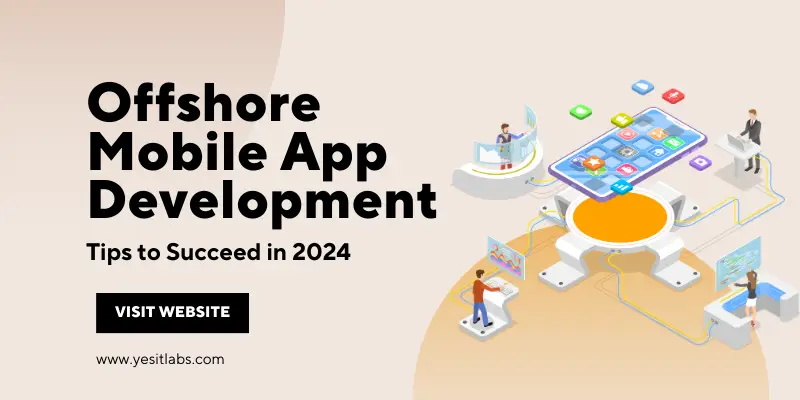
In the dynamic landscape of mobile app development, offshore development has emerged as a strategic choice for businesses aiming to leverage global talent pools and cost efficiencies. As we step into 2026, the demand for high-quality mobile apps continues to rise, prompting companies to explore offshore partnerships more than ever before. Whether you’re a startup looking to scale rapidly or an established enterprise seeking innovation, navigating offshore mobile app development successfully requires careful planning and execution. Here’s a comprehensive guide to help you succeed in offshore mobile app development in 2026.

Understanding Offshore Mobile App Development

Offshore mobile app development refers to the practice of outsourcing app development tasks to companies or teams located in different countries. This approach offers several advantages, including access to specialized skills, reduced development costs, faster time-to-market, and the ability to focus on core business activities. However, it also presents challenges such as communication barriers, time zone differences, and cultural nuances that need to be managed effectively.

Choosing the Right Partner

The foundation of successful offshore mobile app development lies in selecting the right development partner. When selecting a mobile app development company, take into account the following factors:

  • Expertise and Experience: Look for companies with a proven track record in developing mobile apps similar to your requirements. Assess their portfolio, client testimonials, and case studies to gauge their level of expertise.
  • Technology Stack: Ensure that the company uses modern technologies and frameworks that align with your project needs. This includes frontend and backend development tools, databases, and any specific integrations required.
  • Communication: Effective communication is crucial for offshore development success. Choose a company that offers clear channels of communication, project management tools, and regular updates to keep you informed about the progress.
  • Cultural Compatibility: Understand the cultural differences that may impact collaboration and project execution. Choose a partner whose work culture aligns with your own to minimize misunderstandings and enhance teamwork.
  • Security Measures: Data security is paramount when outsourcing development tasks. Ensure that the company follows industry best practices for data protection and complies with relevant regulations.

Planning and Preparation

Once you’ve chosen a mobile app development company, meticulous planning and preparation are essential:

  • Define Clear Requirements: Provide detailed specifications and requirements for your app. Document functionalities, user interface designs, technical integrations, and any other critical aspects to avoid misunderstandings later.
  • Agile Methodology: Embrace agile development practices to facilitate iterative development, frequent testing, and continuous feedback. Agile methodologies promote flexibility and responsiveness, crucial for adapting to evolving project needs.
  • Project Management: Establish a robust project management framework. Use tools like Jira, Asana, or Trello to track progress, manage tasks, and facilitate communication between your team and the offshore developers.

Overcoming Challenges

Offshore mobile app development presents unique challenges that can be mitigated with proactive strategies:

  • Communication Strategies: Schedule regular meetings via video conferencing to maintain direct communication. Use instant messaging platforms like Slack or Microsoft Teams for day-to-day updates and quick queries.
  • Time Zone Management: Coordinate overlapping work hours to ensure real-time collaboration. Define core hours where team members from different time zones are available for discussions and issue resolution.
  • Cultural Awareness: Foster a culture of mutual respect and understanding. Encourage open dialogue, clarify expectations, and embrace diversity to build a cohesive team dynamic despite geographical distances.

Quality Assurance and Testing

Quality assurance (QA) and testing are critical phases in offshore mobile app development:

  • Comprehensive Testing: Conduct rigorous testing across devices, operating systems, and network conditions to identify and rectify bugs, performance issues, and usability concerns.
  • User Acceptance Testing (UAT): Involve stakeholders in UAT to validate the app’s functionality, user experience, and alignment with business goals before launch.
  • Feedback Loop: Establish a feedback loop to capture user feedback post-launch. Monitor app performance metrics, user reviews, and support queries to identify areas for improvement and future updates.

Ensuring Success in 2026 and Beyond

As technology continues to evolve, staying ahead in offshore mobile app development requires continuous learning and adaptation:

  • Embrace Emerging Technologies: Stay updated with emerging technologies such as AI, AR/VR, blockchain, and IoT. Evaluate their potential to enhance your app’s functionality and user experience.
  • Scalability and Flexibility: Design your app with scalability in mind to accommodate future growth and evolving user demands. Architect a flexible infrastructure that supports seamless updates and integrations.
  • Continuous Improvement: Foster a culture of continuous improvement within your development team and offshore partner. Encourage innovation, knowledge sharing, and skills development to drive long-term success.

Conclusion

Offshore mobile app development offers immense opportunities for businesses to innovate, scale, and deliver exceptional digital experiences in 2026. By choosing the right development partner, planning meticulously, overcoming challenges, and prioritizing quality, you can navigate the complexities of offshore development effectively. Embrace the evolving technological landscape, maintain clear communication, and focus on delivering value to users to ensure your app’s success in the competitive global market.

Incorporating these strategies and best practices will position your business for success in offshore mobile app development as you navigate the opportunities and challenges of 2026 and beyond.

Absolutely! Are you geared up to leave your digital footprint? Fantastic! Whether it’s for your personal blog, your small business, or a passion project, creating a website is an exciting endeavor. And lucky for you, with platforms like WordPress, it’s never been easier to get started.

In this guide, we’ll walk through some simple tips to help you build a WordPress website that’s not only functional but also showcases your unique personality or business identity. So, grab a cup of coffee (or tea, if that’s your thing), and let’s dive in!

Understanding WordPress

First things first, let’s get acquainted with WordPress. In a nutshell, WordPress is a versatile platform that allows you to build and manage your website with ease. It’s open-source, meaning it’s free to use, and it powers millions of websites across the internet.

Choose the Right Hosting Provider

Prior to diving into building your WordPress website, you must select a hosting provider.Think of your hosting provider as the home for your website on the internet. There are plenty of options out there, but it’s essential to choose one that offers reliable service, good customer support, and scalability as your website grows.

Install WordPress

Once you’ve signed up with a hosting provider, it’s time to install WordPress. Most hosting providers offer one-click installations, making the process a breeze. Just sign in to your hosting account, locate the WordPress installer, and then proceed by following the prompts. Within minutes, you’ll have WordPress up and running on your domain.

Choose a Theme

Now comes the fun part – choosing a theme for your website. A theme determines the look and feel of your site, so it’s essential to choose one that aligns with your brand or personal style. WordPress offers thousands of free and premium themes to choose from, so take your time exploring your options.

Customize Your Site

Once you’ve selected a theme, it’s time to customize your site to make it your own. Most themes allow you to customize elements like colors, fonts, and layouts through the WordPress customizer. Don’t be afraid to play around and experiment until you find a design that you love.

Install Essential Plugins

Think of plugins as apps for your WordPress website; they provide additional functionality and features. While it’s tempting to go overboard with plugins, it’s essential to choose wisely and only install what you need. Some essential plugins to consider include:

  • Yoast SEO: Helps optimize your site for search engines.
  • WooCommerce: If you’re running an online store.
  • Contact Form 7: For creating contact forms.
  • Jetpack: Offers a suite of tools for security, performance, and site management.

Create Compelling Content

With the technical aspects out of the way, it’s time to focus on creating compelling content for your website. Whether it’s blog posts, product descriptions, or portfolio entries, high-quality content is essential for engaging your audience and driving traffic to your site.

Optimize for SEO

Search engine optimization (SEO) is crucial for ensuring that your website ranks well in search engine results. This means optimizing your content for relevant keywords, creating meta descriptions and alt tags for images, and building high-quality backlinks from other websites.

Test and Iterate

Once your website is up and running, don’t forget to test it across different devices and browsers to ensure that it looks and functions as intended. It’s also essential to gather feedback from friends, family, or colleagues and iterate on your design and content based on their input.

Conclusion

And there you have it – a beginner’s guide to building a WordPress website! While there’s certainly a learning curve involved, don’t be discouraged. With a bit of time, effort, and creativity, you can create a stunning website that showcases your unique voice or business identity.

If you’re feeling overwhelmed or unsure where to start, consider reaching out to a WordPress website development company for help. They can provide expert guidance and support to help you bring your vision to life. Happy building!