
Resources

In the contemporary digital landscape, where agility, scalability, and innovation reign supreme, the cloud has emerged as the cornerstone of modern IT infrastructure. With its promise of on-demand resources, flexible pricing models, and a wide array of services, cloud computing has revolutionized the way businesses operate and scale. However, with the proliferation of cloud providers in the market, selecting the right partner for your organization’s cloud journey can be a daunting task. Among the titans of cloud computing—Amazon Web Services (AWS), Microsoft Azure, and Google Cloud Platform (GCP)—which one deserves the crown as your cloud champion? Let’s delve deeper into each contender’s offerings and capabilities to help you make an informed decision.
Amazon Web Services

Amazon Web Services (AWS):

Founded in 2006, AWS pioneered the cloud computing industry and remains the undisputed leader in terms of market share and global infrastructure. With an extensive portfolio of over 200 services spanning computing, storage, databases, networking, analytics, machine learning, and more, AWS offers unparalleled flexibility and scalability for businesses of all sizes and industries. From the ubiquitous Amazon EC2 for virtual servers to the highly scalable Amazon S3 for object storage, AWS provides a comprehensive suite of tools to meet the diverse needs of modern enterprises. Its global network of data centers ensures low latency, high availability, and compliance with regional data sovereignty requirements. Additionally, AWS’s pay-as-you-go pricing model allows organizations to optimize costs and align expenses with actual usage, making it an attractive choice for startups, SMBs, and large enterprises alike.
Microsoft Azure:

Launched in 2010, Azure has rapidly gained ground as a formidable competitor to AWS, leveraging Microsoft’s Azure extensive enterprise customer base and deep integration with popular software products such as Windows Server, SQL Server, and Office 365. Azure’s hybrid cloud capabilities, including Azure Stack for seamless integration between on-premises and cloud environments, appeal to organizations seeking to modernize their IT infrastructure while maintaining compatibility with existing systems. With over 100 services covering compute, storage, databases, AI/ML, IoT, and more, Azure provides a comprehensive platform for building, deploying, and managing applications at scale. Its strong emphasis on enterprise-grade security, compliance, and governance makes Azure a preferred choice for regulated industries such as healthcare, finance, and government.

Google Cloud Platform (GCP):

Introduced in 2008, Google Cloud Platform leverages Google’s expertise in data management, analytics, and artificial intelligence to offer a cutting-edge cloud solution tailored for modern businesses. GCP’s innovative offerings, such as BigQuery for real-time analytics, TensorFlow for machine learning, and Kubernetes for container orchestration, resonate with developers and data scientists seeking to harness the power of Google’s infrastructure and AI capabilities. With a global network spanning over 200 countries and territories, GCP delivers high-performance, low-latency connectivity to users around the world. Moreover, Google’s commitment to sustainability, with a goal to operate on 24/7 carbon-free energy by 2030, resonates with environmentally-conscious organizations looking to reduce their carbon footprint.

Key Considerations When Choosing a Cloud Provider:

Now that we’ve explored the strengths and capabilities of AWS, Azure, and Google Cloud, let’s outline some key considerations to help you make an informed decision:

  • Services and Capabilities: Evaluate the breadth and depth of services offered by each provider, considering your organization’s specific requirements for compute, storage, databases, AI/ML, and other functionalities.
  • Performance and Reliability: Assess each provider’s global network infrastructure, data center locations, and service-level agreements (SLAs) to ensure optimal performance, reliability, and disaster recovery capabilities.
  • Integration and Compatibility: Consider how well each cloud provider integrates with your existing technology stack, including operating systems, databases, development tools, and third-party applications.
  • Cost Management: Understand the pricing structures of each provider and how they align with your budget and usage patterns. Leverage cost calculators and monitoring tools to optimize spending and avoid unexpected charges.
  • Security and Compliance: Evaluate the security measures, compliance certifications, and data protection mechanisms offered by each provider to safeguard your sensitive information and meet regulatory requirements.
  • Support and Community: Consider the level of support, documentation, training, and community resources provided by each provider. Access to timely assistance and a vibrant user community can expedite troubleshooting and knowledge sharing.

Making the Decision:

Choosing the right cloud provider is a strategic decision that requires careful consideration of your organization’s goals, requirements, and constraints. While AWS, Azure, and Google Cloud are the frontrunners in the cloud computing race, there is no one-size-fits-all solution. Conducting a thorough assessment, engaging in proof-of-concept trials, and seeking input from stakeholders can help you identify the best fit for your business needs.

Whether you opt for AWS’s extensive service portfolio, Azure’s seamless integration with Microsoft products, or Google Cloud’s innovation in AI and analytics, the journey to the cloud promises enhanced agility, scalability, and competitiveness in today’s digital economy. By aligning your cloud strategy with your business objectives and leveraging the strengths of your chosen cloud provider, you can unlock new opportunities for growth, innovation, and success in the cloud era.

If you’re looking to harness the power of AWS, consider hire an AWS developers to streamline your cloud operations and maximize the benefits of AWS services. A skilled AWS developer can help you design, deploy, and optimize cloud-based solutions tailored to your specific requirements, ensuring a smooth transition to the AWS platform and ongoing success in the cloud.

In today’s digitally-driven world, the demand for innovative and user-friendly applications continues to surge. From mobile games to productivity tools, the app development industry is thriving, offering endless opportunities for developers to create solutions that cater to various needs and preferences. Whether you’re a seasoned developer or a budding enthusiast, understanding the latest trends and technologies in app development is essential for staying competitive in this rapidly evolving landscape. As we step into 2024, let’s embark on a comprehensive journey to explore the cutting-edge app development software shaping the industry today.

SwiftUI: Revolutionizing iOS Development

  • SwiftUI, Apple’s declarative framework for building user interfaces, has been making waves since its introduction. With its intuitive syntax and real-time previews, SwiftUI streamlines the process of creating stunning iOS, macOS, watchOS, and tvOS apps. In 2024, SwiftUI has matured further, offering enhanced features and performance optimizations, empowering developers to craft fluid, responsive, and visually captivating applications.

Flutter: Uniting Mobile Platforms

  • Developed by Google, Flutter continues to gain traction as a cross-platform framework for building natively compiled applications. With Flutter, developers can create high-fidelity apps for iOS, Android, web, and desktop from a single codebase. Its hot reload feature facilitates rapid iteration, enabling developers to see the changes instantly. In 2024, Flutter boasts improved stability, increased support for platform-specific integrations, and a thriving ecosystem of plugins and packages.

React Native: Bridging Web and Mobile

  • React Native, backed by Facebook, remains a dominant force in the world of mobile app development. Leveraging the power of JavaScript and React, developers can build robust applications for iOS and Android with a shared codebase. In 2024, React Native continues to evolve with enhanced performance, better support for native modules, and an active community contributing to its ecosystem. Its flexibility and familiarity make it an attractive choice for businesses aiming to scale their mobile presence swiftly.

Kotlin Multiplatform: Unifying Android Development

  • Kotlin Multiplatform, endorsed by JetBrains, offers a compelling solution for Android app development. By sharing code between Android and iOS platforms, developers can streamline the development process while maintaining platform-specific performance and user experiences. With Kotlin’s concise syntax and interoperability with Java, developers can seamlessly integrate existing codebases into multiplatform projects. In 2024, Kotlin Multiplatform gains momentum with improved tooling, expanded library support, and growing adoption within the developer community.

Visual Studio Code and JetBrains IntelliJ IDEA: Powering Development Environments

  • Amidst the plethora of app development tools, robust integrated development environments (IDEs) play a pivotal role in enhancing productivity and collaboration. Visual Studio Code and JetBrains IntelliJ IDEA stand out as industry favorites, offering comprehensive features, extensibility, and support for various programming languages and frameworks. In 2024, these IDEs continue to evolve with performance optimizations, enhanced debugging capabilities, and seamless integrations with version control systems and cloud platforms.

Best Mobile Android And IOS App Development Software Of 2024

When it comes to mobile app development, having the right tools at your disposal can make all the difference. In 2024, several standout software options cater to the diverse needs of developers working on Android and iOS platforms. From Apple’s SwiftUI to Google’s Flutter and Facebook’s React Native, each framework offers unique features and capabilities to streamline the app development process and deliver exceptional user experiences.

Types Of App Development Software

App development software comes in various forms, ranging from frameworks and SDKs to integrated development environments (IDEs) and design tools. These tools serve different purposes and cater to different aspects of the app development lifecycle, including UI design, coding, debugging, testing, and deployment. Understanding the different types of app development software and their respective roles can help developers choose the right tools for their projects and maximize their productivity and efficiency.

Best Free Mobile App Development Software

For developers on a budget, free app development software offers a cost-effective way to bring their ideas to life without breaking the bank. In 2024, several free and open-source tools are available for building high-quality mobile applications, including frameworks like Flutter and React Native, as well as IDEs like Visual Studio Code and Android Studio. These tools provide developers with access to powerful features and robust development environments without the need for expensive licenses or subscriptions, making them ideal choices for startups, indie developers, and hobbyists.

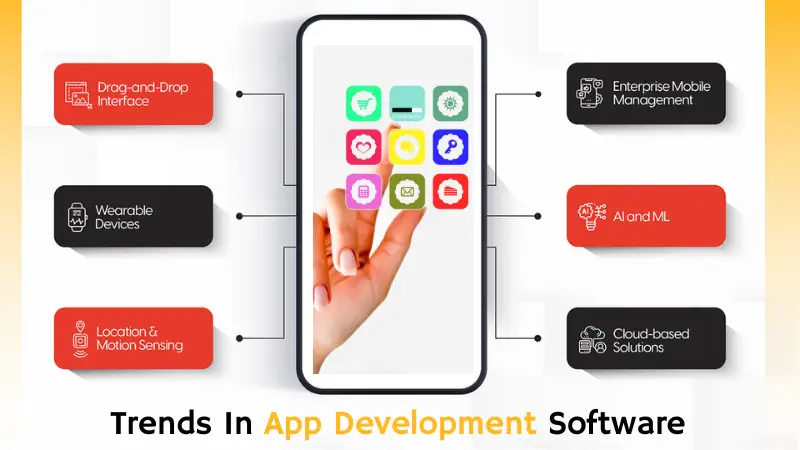
Trends In App Development Software

As technology continues to evolve, so too do the trends in app development software. In 2024, several key trends are shaping the future of app development, including:

  • Cross-platform Development: With the increasing demand for apps on multiple platforms, cross-platform development tools like Flutter, React Native, and Kotlin Multiplatform are becoming increasingly popular, allowing developers to write code once and deploy it across different platforms.
  • Low-code and No-code Development: As the demand for apps continues to grow, there is a growing need for tools that simplify the app development process and empower non-technical users to create their own applications. Low-code and no-code development platforms like Microsoft Power Apps and Appian provide drag-and-drop interfaces and pre-built components that enable users to build apps with minimal coding knowledge.
  • Artificial Intelligence and Machine Learning: With the rise of AI and machine learning technologies, developers are incorporating intelligent features into their apps to enhance user experiences and drive engagement. Frameworks like TensorFlow and PyTorch enable developers to integrate AI and ML capabilities into their apps with ease, allowing for features like personalized recommendations, predictive analytics, and natural language processing.

In Conclusion: Embracing Innovation in App Development

In conclusion, the world of app development in 2024 is defined by innovation, collaboration, and the relentless pursuit of excellence. Whether you’re an experienced developer or just starting your coding journey, exploring these cutting-edge tools and technologies can unlock endless possibilities for creating impactful and immersive digital experiences. As technology continues to evolve, staying abreast of the latest advancements in app development software will be crucial to driving success in this dynamic and ever-expanding field.

Questions to Ponder

As you navigate the diverse landscape of app development software, you may find yourself pondering the following questions:

What is the best software for app development?

With a multitude of options available, determining the best software for app development can be a daunting task. Factors such as platform compatibility, feature set, ease of use, and community support all play a role in selecting the right tool for your project. Consider exploring different frameworks and platforms to find the one that best aligns with your development goals and requirements.

What is the best platform to build a mobile app?

When it comes to building mobile apps, choosing the right platform is essential for reaching your target audience and maximizing your app’s potential. Whether you’re targeting iOS, Android, or both platforms, consider factors such as market share, user demographics, and development resources when making your decision. By selecting the platform that best fits your app’s goals and objectives, you can ensure its success in the competitive world of mobile app development.

If you’re looking to embark on your app development journey or seeking a mobile app development company to bring your ideas to life, consider leveraging the power of these advanced tools and technologies to build innovative and engaging applications that delight users and drive business success in the digital age.

Introduction:

In the fast-paced world of business, staying ahead of the competition requires smart solutions that streamline operations and enhance customer experiences. One such solution that has been gaining momentum in recent years is Odoo POS (Point of Sale). This versatile and user-friendly system offers a range of features to meet the diverse needs of businesses. In this blog, we will explore the top seven Odoo POS apps that can revolutionize your business operations.

Odoo POS: An Overview

Before diving into specific apps, let’s understand the benefits of Odoo POS. Odoo is an all-in-one business management suite that integrates various applications to streamline processes. The POS module of Odoo allows businesses to manage their sales operations efficiently, combining the advantages of an intuitive interface and robust features.

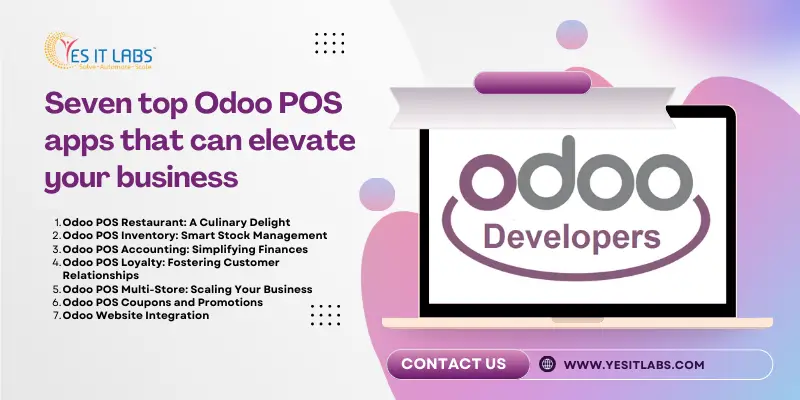
Now, let’s delve into the Seven top Odoo POS apps that can elevate your business.

1. Odoo POS Restaurant: A Culinary Delight

For businesses in the food and beverage industry, the Odoo POS Restaurant app is a game-changer. With its intuitive interface, customizable menus, and efficient order management system, this app simplifies the complexities of running a restaurant. From managing reservations to tracking inventory and analyzing sales trends, Odoo POS Restaurant ensures a seamless and delightful dining experience for both customers and staff.

2. Odoo POS Inventory: Smart Stock Management

Efficient inventory management is crucial for any retail business. The Odoo POS Inventory app empowers businesses to take control of their stock levels with features such as real-time inventory tracking, automated stock adjustments, and easy product categorization. This app not only helps in preventing stockouts but also ensures that your shelves are stocked with the right products at the right time.

3. Odoo POS Accounting: Simplifying Finances

Keeping track of financial transactions is a fundamental aspect of running a successful business. The Odoo POS Accounting app seamlessly integrates with the POS system, automating the accounting process and reducing the risk of errors. From invoicing customers to tracking expenses and generating financial reports, this app is a valuable asset for businesses looking to streamline their financial operations.

4. Odoo POS Loyalty: Fostering Customer Relationships

In a competitive market, building and retaining customer loyalty is essential. The Odoo POS Loyalty app enables businesses to create customizable loyalty programs that reward customers for their repeat business. With features such as points accumulation, discounts, and personalized promotions, this app not only attracts new customers but also keeps existing ones coming back for more.

5. Odoo POS Multi-Store: Scaling Your Business

For businesses with multiple outlets, coordinating operations across different locations can be challenging. The Odoo POS Multi-Store app addresses this challenge by providing a centralized platform for managing sales, inventory, and customer data across various stores. This app ensures consistency in operations, allowing businesses to scale seamlessly without compromising efficiency.

6. Odoo POS Coupons and Promotions

Boost your sales and attract more customers with the Odoo POS Coupons and Promotions app. Create enticing discounts, promotional offers, and coupon codes to incentivize purchases. This app allows you to run targeted promotions, helping you clear excess inventory or promote specific products.

7. Odoo Website Integration

For businesses with an online presence, the Odoo Website Integration app is indispensable. It synchronizes your online store with the POS system, providing a unified platform for managing both online and offline sales. This integration ensures that your inventory, pricing, and customer data are consistent across all channels.

The Benefits of Odoo POS:

Now that we’ve explored the top Odoo POS apps, let’s delve into the overarching benefits of implementing Odoo POS in your business:

Enhanced Efficiency:

  • Streamlined order processing and faster transactions.
  • Automated inventory management reduces manual errors and improves accuracy.

Improved Customer Experience:

  • Customizable menus and loyalty programs cater to individual customer preferences.
  • Quick and efficient payment processing enhances overall satisfaction.

Data-Driven Decision Making:

  • Comprehensive reporting and analytics provide insights into sales trends and customer behavior.
  • Informed decision-making based on real-time data ensures business growth.

Cost Savings:

  • Automation of routine tasks reduces the need for manual labor, leading to cost savings.
  • Efficient inventory management minimizes the risk of overstocking or stockouts.

Scalability:

  • Odoo POS apps are designed to scale with your business, accommodating growth and expansion.
  • Centralized management of multiple stores ensures consistency and coherence.

Conclusion:

In conclusion, Odoo POS offers a suite of applications that can transform the way businesses operate, from streamlined order processing to efficient inventory management and enhanced customer loyalty programs. By harnessing the power of these top Odoo POS apps, businesses can stay ahead of the curve and provide exceptional experiences for both customers and staff.

If you’re considering implementing Odoo POS in your business, hire Odoo developers is a crucial step to ensure a seamless integration tailored to your specific needs. The right team of developers can unlock the full potential of Odoo POS, optimizing its features to align with your business goals and objectives. So, why wait? Dive into the world of Odoo POS and elevate your business to new heights.

Introduction:

Hey there, fellow tech enthusiasts! If you’re diving into the world of iOS app development or looking to enhance your existing skills, you’re in the right place. Today, we’re going to explore the fantastic realm of Swift frameworks – those magical tools that can turbocharge your app development journey. Whether you’re an Apple app developer or an iOS app developer, these frameworks are your secret weapons to create high-performance and feature-rich applications.

The Swift Revolution:

Before we delve into the exciting world of frameworks, let’s take a quick moment to appreciate Swift, Apple’s powerful programming language. Swift has become the backbone of iOS app development, providing developers with a robust and intuitive language that ensures better code quality and improved performance.

How can I improve my iOS app performance?

Optimize with Swift Language Features:

  • Leverage Swift’s powerful features like Optionals, Generics, and Type Inference to write clean, concise, and efficient code.
  • Embrace Swift’s performance-enhancing features, such as ARC (Automatic Reference Counting), which manages memory efficiently, reducing the risk of memory leaks.

Top Swift Frameworks for iOS App Development:

  • Alamofire: For networking tasks, Alamofire is a go-to framework. It simplifies complex networking code, handling tasks like authentication, error handling, and response validation seamlessly.
  • Realm: When it comes to data storage, Realm is a star performer. It’s a mobile database that provides a fast and efficient alternative to Core Data, making database operations smoother and more straightforward.
  • RxSwift: Reactive programming is a game-changer in iOS development, and RxSwift is the kingpin. It simplifies asynchronous programming, making your code more responsive and reactive to changes in data.
  • SnapKit: For those wrestling with Auto Layout, SnapKit is here to rescue. It offers a DSL (Domain-Specific Language) for building constraints, making UI development more readable and maintainable.
  • SwiftLint: Code consistency and quality matter. SwiftLint is your code style enforcer, helping you adhere to Swift’s best practices and maintain a clean and readable codebase.

What’s the best platform to develop iOS apps?

Choosing the Right Platform:

  • Xcode: Xcode is the official integrated development environment (IDE) for iOS app development. It offers a wide array of tools, a visually rich interface builder, and a robust code editor, making it the preferred platform for many iOS developers.
  • AppCode: For those who seek an alternative to Xcode, AppCode is a compelling choice. It supports Swift, Objective-C, and other languages, providing advanced code analysis and refactoring tools.

Which tool is used for iOS app development?

Essential Tools for iOS App Development:

  • CocoaPods: Managing dependencies becomes a breeze with CocoaPods. It simplifies the process of integrating third-party libraries into your project, saving you time and effort.
  • Fastlane: Automate your app deployment pipeline with Fastlane. It streamlines tasks like code signing, beta testing, and App Store deployment, ensuring a smoother release process.
  • Instruments: For profiling and performance analysis, Instruments is your go-to tool. It provides insights into your app’s memory usage, CPU performance, and more, helping you optimize your application effectively.

Conclusion:

In conclusion, as an Apple or iOS app developer, incorporating the right Swift frameworks and tools into your development process can significantly boost your productivity and the quality of your applications. Swift’s evolution has brought about a new era of efficiency and performance in iOS app development Company, and by embracing these frameworks and tools, you’re ensuring that your apps stand out in the competitive App Store landscape.

So, whether you’re a seasoned developer or just starting your iOS app development journey, dive into the world of Swift frameworks, experiment with different tools, and let your creativity flourish. Happy coding!

Introduction

Welcome to the dynamic world of mobile application development, where innovative ideas meet technological prowess to create user-friendly, engaging, and valuable applications. If you’re a mobile app developer or an entrepreneur venturing into the app market, you’ve probably asked yourself, “How do I monetize my mobile app?” Fear not! In this blog, we’ll explore the various strategies to generate revenue from your app and shed light on the intricacies of mobile application development.

Understanding Mobile Application Development

Before we dive into the strategies for monetization, let’s briefly understand what mobile application development entails. Mobile application development is the process of creating software applications specifically designed for mobile devices, such as smartphones and tablets. Skilled developers use programming languages like Java, Swift, or Kotlin to craft applications that cater to the diverse needs and preferences of users.

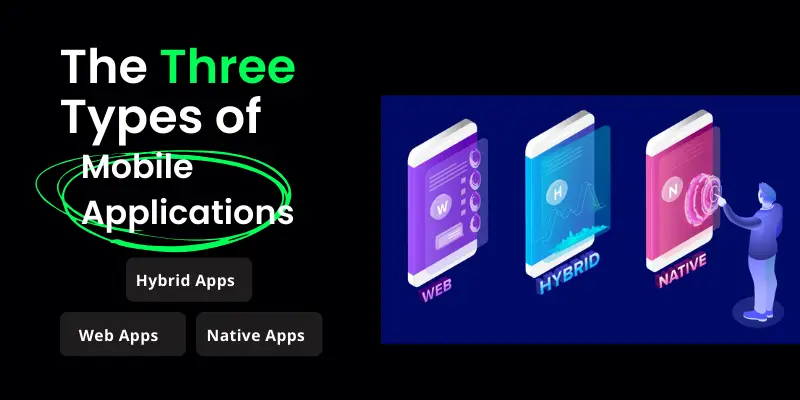
The Three Types of Mobile Applications

To grasp the landscape of mobile app development, it’s essential to be familiar with the three primary types of mobile applications:

  • Native Apps: These are platform-specific applications developed for a particular operating system, such as iOS or Android. Native apps are known for their superior performance and seamless integration with the device’s features.
  • Web Apps: Web applications are accessible through web browsers and don’t require installation. While they may not offer the same level of functionality as native apps, they are convenient for users who prefer not to clutter their devices with multiple installations.
  • Hybrid Apps: Combining elements of both native and web apps, hybrid apps are developed using web technologies but packaged as native apps. They offer a balance between performance and cross-platform compatibility.

Now that we have a basic understanding of mobile application development, let’s explore the key question:

How Do I Monetize My Mobile App?

  • In-App Advertising: In-app advertising involves displaying ads within your application. You can opt for various ad formats, such as banner ads, interstitial ads, or native ads. Collaborate with advertising networks or directly with advertisers to maximize revenue.
  • Freemium Model: The freemium model offers a free version of your app with basic features, enticing users to upgrade to a premium version for enhanced functionalities. This strategy allows you to reach a broader audience while generating revenue from users willing to pay for additional features.
  • In-App Purchases: Integrate in-app purchases for virtual goods, premium content, or additional features. This model is popular in gaming apps, where users can buy virtual currencies, items, or levels to enhance their gaming experience.
  • Subscription Model: Implement a subscription-based monetization strategy, where users pay a recurring fee for access to premium content or services. This model is prevalent in streaming apps, news platforms, and productivity tools.
  • Affiliate Marketing: Collaborate with relevant businesses and incorporate affiliate marketing within your app. Earn commissions for every user who makes a purchase through the affiliate links within your application.
  • Sponsorship and Partnerships: Explore sponsorship opportunities and partnerships with other businesses. Feature sponsored content or collaborate with brands that align with your app’s target audience.

Mobile Application Development and Revenue Generation: A Symbiotic Relationship

Successful mobile application development goes beyond the technical aspects of coding and design. It hinges on the ability to comprehend user preferences, market trends, and the unique value proposition that sets your app apart. To maximize revenue generation, developers must carefully select a monetization strategy that aligns with the app’s nature and user base. Common strategies include in-app purchases, subscription models, and ad-based revenue. In-app purchases allow users to buy additional features or content within the app, enticing them with enhanced functionalities. Subscription models, on the other hand, provide a steady income stream by offering premium services on a recurring basis. Ad-based revenue relies on displaying advertisements within the app, with developers earning revenue based on user interactions. Striking the right balance between user experience and revenue generation is key to fostering a symbiotic relationship that ensures long-term success in the competitive mobile app market.

Conclusion

In the ever-evolving landscape of mobile application development, monetizing your app requires a strategic approach. Whether you choose in-app advertising, freemium models, in-app purchases, subscriptions, affiliate marketing, or partnerships, the key is to provide value to your users. As you embark on this journey, remember that success in the app market is not only about creating a great app but also about implementing effective monetization strategies that align with your users’ preferences.

By staying informed about the latest trends in mobile application development and adapting your monetization strategy accordingly, you can create a win-win situation where your users enjoy a valuable app, and you generate revenue for your efforts. Cheers to the exciting world of mobile app development and the endless possibilities it brings!

In the dynamic world of web development, choosing the right Headless CMS (Content Management System) is crucial for a seamless and efficient content creation and management process. Among the myriad of options available, Strapi vs Sanity.io have emerged as strong contenders. In this blog post, we’ll explore the key features of both Strapi and Sanity, highlight their differences, and help you make an informed decision for your project.


Strapi vs. Sanity.io: The Showdown

1. Which is better – Strapi or Sanity.io?

The answer to this question depends on your project requirements and your team’s preferences. Both Strapi and Sanity.io are powerful, but they cater to different needs.


Strapi: Empowering Developers with Flexibility

Strapi is an open-source Headless CMS that has gained popularity for its flexibility and developer-friendly approach. Built on Node.js, Strapi allows developers to create custom APIs quickly, making it an excellent choice for projects that demand a high level of customization. With a user-friendly admin panel, Strapi enables non-technical users to manage content effortlessly.


Sanity.io: Real-time Collaboration and Structured Content

On the other hand, Sanity.io is known for its real-time collaboration features and structured content approach. It offers a robust content modeling system, making it ideal for projects with complex data structures. Sanity.io’s real-time collaboration features are particularly beneficial for teams working on content simultaneously.

Consider Strapi if you prioritize customization and want a more straightforward development process. Opt for Sanity.io if real-time collaboration and structured content are essential for your project.


2. Key Features of Strapi and Sanity.io

Key Features of Strapi:

  • Open-Source Nature: Strapi is free and open-source, allowing developers to modify and extend it according to their project’s needs.
  • Customizable API: Strapi’s API is highly customizable, enabling developers to define and implement their data structures and endpoints.
  • User-Friendly Admin Panel: Strapi offers an intuitive admin panel that makes it easy for non-technical users to manage content without relying on developers.
  • Plugins and Extensions: The Strapi ecosystem includes a variety of plugins and extensions, providing additional functionalities and integrations.


Key Features of Sanity.io:

  • Real-Time Collaboration: One of Sanity.io’s standout features is its real-time collaboration capabilities, facilitating seamless teamwork.
  • Structured Content Modeling: Sanity.io allows developers to define structured content models, ensuring a standardized approach to content creation.
  • Developer-Friendly CLI: Sanity.io provides a command-line interface (CLI) that empowers developers with efficient tools for managing projects.
  • Image and Asset Management: Sanity.io excels in handling images and assets, making it an excellent choice for projects with rich media content.


3. Difference between Strapi vs Sanity.io

Data Modeling and Structure:

  • Strapi: Developers have the freedom to create and define custom data structures through a visual interface, allowing for a flexible content model.
  • Sanity.io: Employs a schema-based approach, where developers define the structure of their content through a schema definition language. This ensures a more standardized and structured data model.


Content Editing Experience:

  • Strapi: Offers a user-friendly admin panel that allows both technical and non-technical users to manage content efficiently.
  • Sanity.io: Prioritizes real-time collaboration, offering a customizable and developer-friendly interface. The collaborative features enhance the content editing experience for teams.


Technology Stack:

  • Strapi: Built on Node.js, Strapi’s technology stack makes it well-suited for projects that require a JavaScript-centric environment.
  • Sanity.io: Utilizes a combination of JavaScript, React.js, and other technologies. Its focus on a structured content approach makes it suitable for projects with diverse technical requirements.


Community and Ecosystem:

  • Strapi: With a large and active community, Strapi boasts an extensive ecosystem of plugins and extensions that enhance its functionalities.
  • Sanity.io: While not as extensive as Strapi, Sanity.io’s community is growing rapidly, and its ecosystem is gaining traction.


Conclusion: Choosing the Right Fit

In the Strapi vs. Sanity.io showdown, there is no one-size-fits-all answer. Your choice should align with your project’s specific needs, team expertise, and preferences.

If you value flexibility, customization, and an extensive plugin ecosystem, Strapi might be your go-to choice. On the other hand, if structured content modeling, real-time collaboration, and efficient image management are critical for your project, Sanity.io could be the perfect fit.

Before making your decision, consider the scale, complexity, and nature of your project. Both Strapi and Sanity.io have proven themselves in the realm of Headless CMS, offering unique strengths that cater to different use cases. Ultimately, the right choice is the one that aligns with your project’s goals and your team’s workflow.

Introduction:

Welcome to the dynamic world of Microsoft 365 developers, where coding meets connectivity to unleash a creative revolution. In this blog, we’ll delve into the exciting realm of Microsoft 365 developers, exploring their role, impact, and how they contribute to the ever-evolving landscape of technology. So, grab your coding glasses, and let’s embark on this journey together!

The Microsoft 365 Developers Ecosystem:

Microsoft 365, formerly known as Office 365, is not just a suite of productivity tools; it’s a platform that empowers developers to transform the way businesses and individuals interact with technology. Microsoft 365 developers play a pivotal role in shaping this ecosystem by writing code that connects various services, unlocking new possibilities for users.

What Does a Microsoft 365 Developer Do?

At its core, a Microsoft 365 developer is a professional who creates applications and solutions that integrate seamlessly with Microsoft 365 services. These developers leverage their coding skills to enhance and extend the functionalities of Microsoft 365, ultimately providing users with a more customized and efficient experience. If you want to connect with experienced Microsoft 365 developers, feel free to contact YES IT Labs.

The Three Pillars: Code, Connect, Create

  • Code: Coding lies at the heart of a Microsoft 365 developer’s role. These developers are fluent in languages like JavaScript, TypeScript, and C#, using their expertise to craft applications that leverage the power of Microsoft 365 APIs. Whether it’s building add-ins for Microsoft Office applications or creating custom solutions that interact with SharePoint, coding is the driving force behind innovation in this ecosystem.
    Microsoft Graph API, a key tool for developers, acts as a bridge between applications and Microsoft 365 services. This powerful API enables developers to access a wealth of data and functionalities, allowing them to tailor solutions to the unique needs of their users.
  • Connect: Connectivity is the glue that binds Microsoft 365 developers to the broader digital landscape. These developers excel in creating integrations that bridge the gap between Microsoft 365 and other platforms, ensuring a seamless user experience across various tools and services.
    For instance, a Microsoft 365 developer might create an application that connects Microsoft Teams with a customer relationship management (CRM) system. This integration enhances communication and collaboration, streamlining workflows for teams and maximizing productivity.
  • Create: Creativity is the secret sauce that transforms code and connectivity into impactful solutions. Microsoft 365 developers are not just programmers; they are creators who envision and build tools that solve real-world problems. From intuitive user interfaces to automation workflows, their creations enhance the overall usability and efficiency of Microsoft 365.

Real-World Impact:

To understand the real-world impact of Microsoft 365 developers, let’s consider a hypothetical scenario. Imagine a multinational corporation using Microsoft 365 for its daily operations. A Microsoft 365 developer within the organization could enhance the existing setup by creating custom applications that automate repetitive tasks, integrate with third-party services, and provide insightful analytics.

By doing so, the developer contributes to increased efficiency, reduced manual workload, and a more connected digital environment. This not only saves time and resources but also empowers employees to focus on more strategic and creative aspects of their roles.

The Constant Evolution:

Microsoft 365 developers operate in an ever-evolving landscape. As Microsoft continues to introduce new features and services, developers must adapt and innovate to stay ahead. The advent of cloud computing, artificial intelligence, and the Internet of Things (IoT) further expands the possibilities for Microsoft 365 developers, allowing them to explore new avenues and push the boundaries of what’s achievable.

Conclusion:

In conclusion, the role of Microsoft 365 developers is pivotal in shaping the future of digital productivity. Their ability to code, connect, and create brings forth a revolution in how individuals and organizations leverage Microsoft 365. From streamlining workflows to enhancing collaboration, these developers are at the forefront of innovation, ensuring that Microsoft 365 remains a dynamic and indispensable part of the modern workplace.
So, if you’re a developer passionate about coding and creating impactful solutions, the world of Microsoft 365 development awaits – where every line of code is a step towards a more connected and creative future.

In the fast-paced world of technology, the landscape of software development is ever-evolving, shaping the future and transforming the way we interact with the digital realm. As we delve into the trends and challenges that lie ahead, it’s crucial to understand the dynamic role of software development in driving innovation. From artificial intelligence to blockchain, let’s explore the current state of affairs and what lies beyond the horizon for software development.

Unveiling the Essence: What is Software Development?

Before we embark on decoding the future, let’s first answer the fundamental question: What do we mean by software development? In simple terms, it is the process of designing, coding, testing, and maintaining software systems. This intricate dance of creativity and logic is orchestrated by software developers, who are the architects of our digital world.

What does a software developer do?

Software developers are the masterminds behind the applications we use daily. They conceptualize ideas, write code, and bring these ideas to life. From mobile apps to complex enterprise solutions, software developers play a pivotal role in crafting the digital experiences we take for granted. They are problem solvers, troubleshooters, and perpetual learners in a field that’s always in motion.
Now, armed with this understanding, let’s dive into the trends and challenges that await the software development landscape.

Embracing the Future: Trends in Software Development

  • Artificial Intelligence (AI) and Machine Learning (ML): The integration of AI and ML is no longer a futuristic concept; it’s a present reality. From chatbots providing customer support to recommendation systems tailoring content, AI and ML are revolutionizing software development. Developers are focusing on creating intelligent systems that can learn and adapt, bringing a new dimension to user interactions.
  • Blockchain Technology: Beyond its association with cryptocurrencies, blockchain is finding its way into various industries. Its decentralized and secure nature makes it a compelling solution for areas such as finance, healthcare, and supply chain management. Software developers are exploring ways to harness the power of blockchain to create transparent, tamper-proof systems.
  • Internet of Things (IoT): As our world becomes increasingly interconnected, the demand for IoT solutions is on the rise. Software developers are tasked with creating applications that seamlessly integrate with smart devices, enhancing efficiency and convenience. From smart homes to industrial automation, the IoT ecosystem is expanding, presenting new opportunities for developers.
  • Low-Code and No-Code Development: The democratization of software development is underway with the rise of low-code and no-code platforms. These tools allow individuals with varying levels of technical expertise to create applications without delving deep into coding. It’s a trend that’s opening doors for innovation and collaboration across different domains.
  • DevOps and Continuous Integration/Continuous Deployment (CI/CD): The need for rapid, reliable software delivery has led to the widespread adoption of DevOps practices and CI/CD pipelines. Developers are focusing on streamlining the development lifecycle, ensuring faster and more frequent releases without compromising on quality. Automation is key in this paradigm shift, enabling teams to deliver robust software with agility.

Navigating Challenges: The Road Ahead for Software Developers

  • Security Concerns: With the increasing sophistication of cyber threats, security remains a paramount concern for software developers. Protecting sensitive data, securing applications, and ensuring compliance with regulations are challenges that demand constant vigilance and innovative solutions.
  • Legacy Systems Integration: Many organizations still rely on legacy systems, posing a challenge for developers aiming to integrate modern technologies seamlessly. Bridging the gap between legacy and modern systems requires strategic planning and careful execution.
  • Talent Shortage: The demand for skilled software developers continues to outpace the available talent pool. Recruiting and retaining top-tier talent is a challenge for companies, emphasizing the need for ongoing skill development and fostering a supportive work environment.
  • Scalability: As applications grow in complexity and user base, scalability becomes a critical consideration. Developers must design systems that can handle increased loads while maintaining optimal performance, without compromising on user experience.

The American Landscape: Software Development Companies in the USA

In the dynamic world of software development, the USA stands as a hub of innovation, home to a plethora of cutting-edge companies driving technological advancements. From Silicon Valley giants to emerging startups, the USA’s software development landscape is characterized by diversity, creativity, and a relentless pursuit of excellence.

As companies vie for the top spot in the competitive software development arena, the emphasis on staying ahead of trends and addressing challenges becomes even more crucial. The ability to adapt, innovate, and collaborate defines the success of software development companies in the USA.

Wrapping Up: Decoding the Future

In conclusion, the future of software development is marked by a convergence of emerging technologies and the persistent pursuit of excellence. From the integration of AI and blockchain to the challenges of security and talent shortage, the landscape is both exciting and challenging.

As we decode the future, it’s evident that the role of software development is more critical than ever. Whether you’re a seasoned developer or a company aiming to stay ahead in the game, embracing trends, overcoming challenges, and fostering a culture of continuous learning are key to thriving in the ever-evolving world of software development. YES IT Labs, a leading software development company in USA, understands the significance of staying at the forefront of innovation and resilience. So, buckle up and get ready to navigate the digital future with YES IT Labs as your trusted partner, guiding you with innovation and resilience as your guiding lights.

Introduction:

Hey there, fellow eCommerce enthusiasts! As we dive into 2024, the world of online shopping is evolving faster than ever. From the way we discover products to the technologies transforming the shopping experience, eCommerce continues to shape our digital landscape. In this blog, we’ll unravel the upcoming eCommerce trends to keep you in the loop and ensure your online store stays ahead of the game.


Personalization Takes the Spotlight:

In 2024, personalization is not just a buzzword but a necessity. Customers crave unique and tailored experiences, and eCommerce websites are gearing up to deliver just that. Advanced AI algorithms analyze customer behavior, preferences, and purchase history to provide personalized product recommendations, making the online shopping journey more engaging and satisfying.


Augmented Reality (AR) Enhancements:

Say goodbye to doubts about product appearances. Augmented Reality is set to revolutionize the eCommerce industry by allowing customers to virtually try on products before making a purchase. Whether it’s clothing, furniture, or even makeup, AR ensures a more confident buying decision, reducing the rate of product returns and enhancing customer satisfaction.


Voice Commerce: The Rise of Conversational Shopping:

“Hey Siri, order me a new pair of running shoes.” Voice commerce is gaining momentum, enabling customers to shop hands-free using voice-activated devices like smart speakers and virtual assistants. E-commerce websites are integrating voice search capabilities, making it easier for users to find products and complete transactions effortlessly.


Sustainable Shopping Becomes Mainstream:

As environmental consciousness grows, sustainability is no longer just a trend but a necessity. eCommerce businesses are incorporating eco-friendly practices, from sustainable packaging to offering ethically sourced products. Consumers are becoming more mindful of their environmental impact, driving the demand for eco-conscious eCommerce practices.


Integration of Social Commerce:

Social media platforms are no longer just for sharing pictures and updates; they’re becoming major players in the eCommerce game. In 2024, expect a seamless integration of social commerce, allowing users to discover and purchase products without leaving their favorite social platforms. eCommerce websites are optimizing for social selling, leveraging the power of influencers and user-generated content.


Instant Gratification with Same-Day Delivery:

The need for speed continues to dominate the eCommerce landscape. In 2024, same-day delivery services are becoming more prevalent, meeting the growing demand for instant gratification. E-commerce giants and small businesses alike are investing in efficient logistics and local fulfillment centers to ensure quick and reliable delivery options for their customers.


Mobile Commerce Dominance:

The dominance of mobile commerce is not a new trend, but it continues to gain momentum. With the majority of online traffic coming from mobile devices, eCommerce websites must prioritize mobile optimization. E-commerce web developers will focus on creating responsive designs and optimizing mobile performance to meet the demands of the ever-growing mobile user base.


Enhanced Payment Options:

The future of eCommerce will see an expansion of payment options to accommodate diverse consumer preferences. Cryptocurrency payments, buy-now-pay-later services, and digital wallets will become more mainstream. E-commerce website development services will need to adapt to include a variety of payment methods to meet the evolving needs of online shoppers.


Now, let’s address some burning questions about the future of eCommerce:

1. What is the future of e-commerce?

The future of eCommerce lies in a seamless blend of technology and user-centric experiences. Personalization, augmented reality, sustainability, social commerce, and speedy delivery are some of the key trends shaping the future. As technology continues to advance, we can anticipate more innovative solutions that enhance the online shopping journey and redefine customer expectations.


2. What is the next big thing in e-commerce?

Voice commerce and augmented reality are poised to be the next big things in eCommerce. As customers seek more convenient and immersive shopping experiences, these technologies offer novel ways to engage with products and make purchasing decisions. Integrating voice-activated devices and AR features into eCommerce websites will likely become a standard practice, setting the stage for a more interactive and personalized shopping experience.


Conclusion:

In the fast-paced world of eCommerce, staying ahead of the curve is essential for success. The trends mentioned above are not just predictions; they are the driving forces shaping the eCommerce landscape in 2024. Whether you’re a business owner, an eCommerce web developer, or someone who simply loves online shopping, embracing these trends will ensure that your digital storefront remains not only relevant but also a leader in the ever-evolving world of eCommerce.

As we navigate the exciting journey ahead, keep your eyes on the horizon, stay innovative, and watch your eCommerce venture thrive in the years to come. Happy selling!


Introduction:

Starting and growing a business is a challenging journey filled with obstacles and uncertainties. In today’s rapidly evolving digital landscape, staying ahead of the competition requires more than just a great idea and hard work. This is where IT consulting services play a pivotal role. In this blog, we will explore the significance of consulting services, specifically focusing on IT consulting, and why business founders should consider leveraging them to propel their ventures to new heights.

What Does Consulting Services Do?

Before delving into the specifics of IT consulting services, it’s crucial to understand the broader role of consulting services in general. Consulting services are specialized advisory services provided by experts in various fields to assist businesses in solving problems, making strategic decisions, and improving overall performance.

In the realm of IT consulting, these services focus on leveraging technology to enhance business operations, efficiency, and competitiveness. IT consultants collaborate with business leaders to analyze current systems, identify areas for improvement, and implement solutions that align with the organization’s goals.

Understanding the Different Types of Consulting Services:

  1. Strategic Consulting: Strategic consultants assist businesses in defining their goals, creating actionable plans, and making informed decisions. They align technology strategies with overall business objectives, ensuring a cohesive and effective approach to growth.
  2. Technology Infrastructure Consulting: This type of consulting focuses on optimizing the IT infrastructure of a business. Consultants assess existing systems, recommend upgrades, and implement solutions to enhance performance, security, and scalability.
  3. Cybersecurity Consulting: With the increasing threat of cyberattacks, cybersecurity consulting has become paramount. Consultants in this field help businesses fortify their digital defenses, implement robust security measures, and ensure compliance with data protection regulations.
  4. Cloud Computing Consulting: Cloud technology has revolutionized the way businesses operate. Cloud consulting services guide organizations in migrating to cloud platforms, optimizing cloud resources, and leveraging the benefits of scalability, flexibility, and cost-effectiveness.
  5. Business Process Consulting: Business processes are the backbone of any organization. Consultants in this area evaluate existing processes, identify inefficiencies, and recommend improvements to streamline operations and enhance productivity.

Why Do Business Founders Need IT Consulting Services?

  1. Expertise and Specialization: Running a successful business requires expertise in various areas. IT consulting companies bring specialized knowledge and skills to the table, allowing founders to focus on their core competencies while entrusting technology-related decisions to experts.
  2. Cost Efficiency: Hiring a full-time, in-house IT team can be financially burdensome, especially for startups and small businesses. IT consulting services offer a cost-effective solution, allowing businesses to access top-tier expertise without the long-term commitment and overhead costs associated with hiring full-time staff.
  3. Strategic Planning: IT consultants play a crucial role in aligning technology strategies with business goals. They assist founders in developing a roadmap for technological growth, ensuring that every investment in IT contributes to the overall success of the business.
  4. Adaptation to Technological Changes: The tech landscape evolves rapidly, and staying ahead of the curve is essential for business success. IT consultants keep businesses informed about the latest technological trends and help them adapt to changes efficiently, ensuring they remain competitive in their respective industries.
  5. Risk Mitigation: With the increasing threat of cyberattacks and data breaches, businesses need to prioritize security. IT consulting services not only implement robust security measures but also provide proactive strategies to mitigate risks and respond effectively to potential threats.

Conclusion:

In a world where technology is a driving force behind business success, leveraging the expertise of an IT consulting company has become a necessity for founders and business leaders. From strategic planning to cybersecurity, these services offer a holistic approach to enhancing organizational performance.

In the ever-evolving landscape of business and technology, embracing IT consulting services is not just an option; it’s a strategic imperative for those aspiring to thrive in the digital era. So, whether you’re a startup founder or an established business leader, consider the invaluable support that IT consulting services can provide on your journey towards success.