Resources

In the ever-evolving landscape of website development, choosing the right platform is crucial. Two contenders that often spark debate are Webflow and WordPress. Each has its strengths and weaknesses, making the decision a challenging one for many developers and businesses. In this guide, we’ll break down the pros and cons of Webflow and WordPress in a conversational and informative manner, helping you make an informed decision for your next web project.


Understanding the Basics

Let’s start with the basics. WordPress, a household name in the website development realm, has been around for years. It’s an open-source content management system (CMS) that powers over 40% of all websites on the internet. On the other hand, Webflow is a relatively newer player, gaining traction for its visual approach to web design. It allows users to create responsive websites without touching a line of code.


The Pros of WordPress

1. Flexibility and Customization:

WordPress is renowned for its flexibility. With thousands of plugins and themes, you can tailor your website to your specific needs. Whether you’re running a personal blog or a large-scale e-commerce site, there’s a plugin for almost everything.

2. Large Community and Support:

The massive WordPress community means a vast pool of resources. From forums to tutorials, finding help is just a Google search away. Additionally, if you ever need to hire a WordPress developer or partner with a WordPress development company, the options are virtually limitless.

3. SEO-Friendly:

Search Engine Optimization (SEO) is critical for online visibility. WordPress simplifies this process with SEO plugins, making it easier for your website to climb the search engine ranks.


The Cons of WordPress

1. Learning Curve:

For beginners, the learning curve can be steep. Navigating through themes, plugins, and settings might require some time and effort.

2. Security Concerns:

WordPress’s popularity makes it a target for hackers. Regular updates and security measures are necessary to safeguard your website.

3. Bloated Code:

While the extensive plugin ecosystem is a plus, it can lead to bloated code, affecting website speed.


The Pros of Webflow

1. Visual Design Interface:

Webflow’s visual design interface sets it apart. Designers can create stunning, responsive websites without delving into complex code.

2. Hosting Included:

Webflow includes hosting in its plans, streamlining the process and reducing the need for external hosting providers.

3. Faster Development:

For those looking to launch quickly, Webflow offers a faster development process, especially for visually-driven projects.


The Cons of Webflow

1. Limited Third-Party Integrations:

While Webflow is robust, it falls short in terms of third-party integrations compared to WordPress.

2. Steeper Price Tag:

Webflow’s pricing may be a deterrent for smaller businesses or individuals on a tight budget.

3. Learning Curve for Advanced Features:

While the basics are user-friendly, mastering advanced features may take some time.


Should I switch from WordPress to Webflow?

If you’re contemplating a switch, consider your website’s needs. Webflow is an excellent choice for visual designs and quick launches, while WordPress excels in flexibility and community support. If you have the time to learn a new platform and need a visually striking website, the switch might be worth it.


Why is Webflow so popular?

Webflow’s popularity stems from its intuitive visual design interface, making it accessible for designers without extensive coding knowledge. Additionally, the platform’s hosting services and faster development times have contributed to its rising acclaim in the web development community.


Conclusion

In the showdown between Webflow and WordPress, there’s no one-size-fits-all answer. Assess your project requirements, consider your comfort level with coding, and weigh the pros and cons outlined in this guide. Whether you decide to hire WordPress developer or dive into Webflow’s visual design capabilities, remember that both platforms have their merits, and the right choice depends on your specific needs and preferences.

Introduction

In the dynamic world of mobile app development, choosing the right framework can be a daunting task. With the proliferation of smartphones and the demand for feature-rich applications, developers often find themselves at a crossroads when it comes to selecting the best tool for the job. In this blog post, we’ll embark on a journey to decode three of the most popular frameworks: Flutter, Xamarin, and React Native.

Understanding the Basics:

Before we delve into the intricacies of each framework, let’s establish a baseline understanding. Flutter, developed by Google, employs Dart as its programming language. Xamarin, owned by Microsoft, utilizes C# for app development, while React Native, a creation of Facebook, relies on JavaScript and React.

Flutter – Beauty in Simplicity:

Flutter has gained significant traction in recent years, thanks to its simplicity and expressive UI. Dart, although less commonly used compared to languages like JavaScript, has proven to be an efficient choice for Flutter developers. One of the standout features of Flutter is its “hot reload” functionality, enabling developers to instantly see the effects of code changes without restarting the entire application.

The widget-based architecture in Flutter developers to create a consistent user interface across platforms, eliminating the need for separate designs for iOS and Android. This not only saves time but also ensures a uniform user experience.

Xamarin – The Microsoft Touch:

Xamarin, being part of the Microsoft ecosystem, offers seamless integration with Visual Studio and Azure. If you’re already immersed in Microsoft technologies, Xamarin might be the natural choice for your mobile app development. With Xamarin, you can leverage existing C# skills, which can be a significant advantage for developers familiar with the language.

Xamarin allows for code-sharing between iOS and Android applications, streamlining the development process. The platform also provides access to native APIs, ensuring that developers can tap into the full potential of each platform when necessary.

If you’re considering Xamarin app development, it’s essential to weigh the pros and cons based on your team’s expertise and project requirements. Now, let’s shift our focus to the world of React Native.

React Native – The JavaScript Giant:

React Native, being rooted in JavaScript, has garnered immense popularity due to the ubiquity of the language and the vibrant React community. If you’re a web developer with a strong foundation in JavaScript, transitioning to React Native can be a smooth experience.

One of React Native’s strengths lies in its ability to deliver near-native performance. By utilizing native components, React Native applications can achieve a level of performance that is often indistinguishable from apps developed using traditional methods.

If you’re looking to streamline your development process and tap into the expertise of a skilled team, hire  React Native developers could be the key to unlocking a seamless and cost-effective mobile app development journey.

Comparative Analysis:

To decode the best framework for your mobile app, it’s crucial to consider factors such as performance, development speed, and community support.

Performance:
  • Flutter excels in delivering high-performance applications, thanks to its compiled language (Dart).
  • Xamarin, with its direct access to native APIs, provides solid performance.
  • React Native, while impressive, may experience performance variations due to its reliance on JavaScript.
Development Speed:
  • Flutter’s hot reload feature speeds up the development process, allowing for quick iteration and debugging.
  • Xamarin’s code-sharing capabilities enhance development speed by minimizing redundant efforts.
  • React Native’s modular and reusable components contribute to an efficient development workflow.
Community Support:
  • Flutter, backed by Google, boasts a growing community and extensive documentation.
  • Xamarin benefits from Microsoft’s support, ensuring a robust developer community.
  • React Native’s immense popularity has resulted in a vast and active community, providing ample resources for developers.

Conclusion:

In the quest to decode the best framework for your mobile app, there’s no one-size-fits-all answer. The choice between Flutter, Xamarin, and React Native depends on your specific project requirements, team expertise, and personal preferences.

If you prioritize a visually stunning, uniform user interface with quick development cycles, Flutter might be your go-to choice. Xamarin, with its seamless integration into the Microsoft ecosystem, is ideal for C# enthusiasts. Meanwhile, React Native stands out for web developers familiar with JavaScript and seeking near-native performance.

Ultimately, each framework has its strengths, and the best choice is the one that aligns with your project goals and the skills of your development team. As the mobile app development landscape evolves, staying informed about the latest updates and innovations in these frameworks will be key to making well-informed decisions for your projects.

Introduction

In the dynamic realm of software development, choosing the right programming language can make all the difference. Two giants that have consistently dominated the scene are C# and Java. Both languages boast impressive capabilities, but they have distinct features that set them apart. In this blog post, we’ll delve into the nuances of C# and Java, exploring what makes each language unique and discussing scenarios where one might shine brighter than the other.

C# Development: The Microsoft Marvel

Let’s kick things off with C#. Developed by Microsoft, C# (pronounced C-sharp) is a versatile and modern programming language primarily used for building Windows applications, web applications, and games. Its syntax is intuitive, making it an excellent choice for developers looking to write clean and readable code.

C# Application Development: Where Elegance Meets Functionality

C# truly shines in the realm of application development, making it a top choice for developers looking to create powerful software solutions. Whether you’re engaged in crafting desktop applications or building robust web services, C# provides a seamless and efficient development experience. The language’s integration with the .NET framework further enhances its capabilities, empowering developers to build scalable and high-performance applications.

A standout feature of C# that sets it apart in the world of application development is its robust support for asynchronous programming. In an era where the demand for responsive and efficient applications is paramount, C#’s asynchronous capabilities position it as a front-runner for developers striving to create smooth and responsive user experiences. By seamlessly incorporating asynchronous programming into the development process, C# enables developers to efficiently handle concurrent tasks, improving the overall performance and responsiveness of their applications.

In summary, C# Application Development offers a comprehensive and powerful environment for creating a wide range of applications, leveraging its seamless integration with the .NET framework and robust support for asynchronous programming to meet the evolving needs of modern software development.

Java: The Battle-Tested Workhorse

On the other side of the spectrum, we have Java – a programming language renowned for its portability and robustness. Originally developed by Sun Microsystems, Java’s “write once, run anywhere” mantra has made it a stalwart in enterprise applications and mobile development.

Hire Java Developers: Tapping into Experience

When it comes to building large-scale enterprise applications, Java has long been the go-to choice. Its ability to handle complex tasks and run on various platforms has earned it a reputation as a workhorse. The vast ecosystem of libraries and frameworks available for Java simplifies development and accelerates the delivery of projects.

For businesses seeking to hire Java developers, the abundance of experienced professionals in the market makes it a strategic move. Java developers bring a wealth of knowledge in developing robust and scalable applications, making them invaluable assets for projects with demanding requirements.

Comparative Analysis: C# vs Java

Now that we’ve taken a glimpse into the strengths of each language, let’s delve into a comparative analysis to better understand where C# and Java shine.

Performance:

In terms of raw performance, both languages hold their ground admirably. However, when it comes to specific scenarios like gaming or applications that demand low-level access to hardware, C# with its integration with the Unity game engine often takes the lead.

Platform Independence:

Java’s promise of platform independence has been a game-changer for businesses seeking to deploy applications across various operating systems. C#, while traditionally associated with Windows development, has made strides in becoming cross-platform with the advent of .NET Core and the more recent .NET 5.

Community and Ecosystem:

Java boasts a vast and mature ecosystem with a multitude of libraries, frameworks, and tools. The community support for Java is unparalleled, making it an excellent choice for developers seeking answers and solutions to challenges they may encounter.

C#, although not as ancient as Java, has seen substantial growth in its community and ecosystem. The introduction of .NET Core has played a pivotal role in expanding the reach of C# beyond the Windows environment.

Conclusion: Choosing the Right Tool for the Job

In the battle between C# and Java, there is no clear winner – it ultimately depends on the specific requirements of your project. If you’re developing a Windows-centric application with a focus on responsiveness and sleek user interfaces, C# might be the perfect fit. In fact, engaging a proficient C# Development company could further enhance your project’s success by leveraging the language’s strengths.

On the other hand, if you’re working on a large-scale enterprise project that demands portability and a vast ecosystem, Java could be your best ally. Deciding between these two programming powerhouses requires a careful evaluation of your project’s unique needs and the strengths each language brings to the table. Whether you opt for the elegance of C# or the battle-tested reliability of Java, both languages offer a robust foundation for turning your programming visions into reality.

Consider consulting with a reputable C# Development company to ensure your project is in capable hands and benefits from the expertise of professionals specializing in C# application development.

In the vast landscape of e-commerce, selecting the right platform can make or break your online venture. Among the plethora of options available, two giants, WooCommerce and Shopify, stand out as top contenders. To aid you in this decision-making process, let’s delve deeper into the intricacies of each platform, exploring their features, advantages, and drawbacks.


Shopify Website Development: A User-Friendly Journey

Shopify’s Intuitive Interface:
Shopify has earned its reputation for being exceptionally user-friendly. Entrepreneurs, regardless of technical expertise, can leverage its straightforward interface to create a visually appealing online store. With a variety of customizable templates and a drag-and-drop builder, the process of setting up shop is remarkably simple.

Hosted and Hassle-Free:
One standout feature of Shopify is its all-in-one package, including hosting services. This eliminates the need for external hosting providers and alleviates concerns about server management. The hosted nature of Shopify ensures a secure and reliable foundation for your e-commerce business, allowing you to focus on what matters – growing your brand.

App Ecosystem for Enhanced Functionality:
If you’re looking for Shopify development services, Shopify boasts a robust app ecosystem, offering a diverse range of third-party integrations to enhance your store’s functionality. From marketing tools to inventory management, the app store provides a convenient marketplace to tailor your online business according to your specific needs.


WooCommerce Development Company: The Power of Customization

Seamless Integration with WordPress:
WooCommerce, in contrast, operates as a plugin for WordPress. If you’re already using WordPress for your website, integrating WooCommerce seamlessly transforms it into a fully functional online store. This interoperability offers flexibility and control, especially for those already familiar with the WordPress environment.

Open-Source Flexibility:
An intrinsic advantage of WooCommerce is its open-source nature. This means developers can dig into the code, tailoring and customizing the platform to meet unique business requirements. For businesses with specific design or functionality needs, partnering with a WooCommerce development company ensures a tailor-made solution.

Cost-Effective Nature:
For small to medium-sized businesses conscious of their budget, WooCommerce emerges as a cost-effective option. Unlike Shopify’s subscription-based model, WooCommerce is free to use, requiring businesses only to cover the costs associated with hosting and any additional premium extensions they might choose.

SEO-Friendly WordPress Integration:
Leveraging the power of WordPress, WooCommerce websites inherently possess strong SEO foundations. This can be a significant advantage for businesses looking to improve their search engine rankings and overall online visibility.


Shopify Development: The Pros and Cons


Pros of Shopify:
  1. User-Friendly Interface: Shopify’s intuitive design makes it accessible for entrepreneurs of all technical backgrounds.
  2. Hosting Included: The platform’s hosting services are reliable and secure, alleviating concerns about server management.
  3. App Ecosystem: A diverse range of third-party integrations available in the app store enhances the functionality of your store.


Cons of Shopify:
  1. Transaction Fees: Users may incur transaction fees if they choose not to use Shopify’s in-house payment gateway, impacting profit margins.
  2. Limited Customization: While user-friendly, Shopify may not offer the same level of customization as open-source platforms like WooCommerce.


WooCommerce Development: The Pros and Cons


Pros of WooCommerce:
  1. Open-Source Flexibility: WooCommerce’s open-source nature allows for extensive customization, catering to specific business needs.
  2. Cost-Effective: The absence of monthly subscription fees makes WooCommerce a cost-effective option for smaller businesses.
  3. SEO-Friendly: Leveraging WordPress, WooCommerce websites inherently possess strong SEO foundations.


Cons of WooCommerce:
  1. Technical Expertise Required: Setting up and managing a WooCommerce store may require a certain level of technical expertise.
  2. Hosting and Security: Users need to manage their hosting, ensuring security measures are in place, which may be overwhelming for those unfamiliar with web hosting.


Making the Decision: Considering Pros and Cons

As you weigh the pros and cons of WooCommerce and Shopify, consider your business’s unique needs, budget constraints, and your comfort level with technical aspects. Shopify’s user-friendly approach might be ideal for those seeking a hassle-free experience, while WooCommerce’s open-source flexibility could be the answer for businesses with specific design and functionality requirements.

Before making a decision, ask yourself: What are the pros and cons of WooCommerce and Shopify for my business? Factor in your budget, technical skills, and the level of control you desire over your online store. Remember, there’s no one-size-fits-all solution in the world of e-commerce – your choice should align with your business goals and pave the way for sustainable growth.


Conclusion:

In the dynamic realm of e-commerce, the choice between WooCommerce and Shopify boils down to your business’s unique needs and aspirations. If you prioritize a user-friendly experience, Shopify’s intuitive interface and hassle-free hosting services make it a compelling option. The extensive app ecosystem further ensures that your store can evolve with your business, adapting to changing demands seamlessly.


On the other hand, if customization and flexibility are paramount, partnering with a WooCommerce development company could be the key to unlocking your store’s full potential. WooCommerce’s open-source nature empowers businesses to tailor every aspect of their online presence, and the cost-effective model makes it particularly appealing for smaller enterprises mindful of their budget.


Consider the pros and cons outlined for each platform, weighing factors such as technical expertise, hosting preferences, and budget constraints. Shopify’s accessibility may be the right fit for those seeking simplicity, while WooCommerce’s open canvas is ideal for businesses with specific design and functionality requirements.


Ultimately, the decision rests on aligning your choice with your business goals. Remember, whether you opt for the user-friendly journey of Shopify or the power of customization with WooCommerce, there’s no one-size-fits-all solution. Your selection should pave the way for sustainable growth, ensuring your online venture thrives in the competitive landscape of e-commerce.


Introduction:

Hey there, tech enthusiasts! In the ever-evolving world of web development, choosing the right technology for your project is crucial. As we step into 2024, the debate between PHP vs other technologies continues to be a hot topic. In this blog, we’ll explore the landscape, weighing the pros and cons, and helping you make an informed decision. So, let’s dive in!

The PHP Advantage:

PHP, which stands for Hypertext Preprocessor, has been a stalwart in web development for quite some time. One of its key advantages is its simplicity and ease of learning. Whether you’re a seasoned developer or looking to hire a PHP developer for the coding scene, PHP offers a gentle learning curve, making it an attractive choice for many.

Why PHP is better than other languages?

  1. Wide Adoption and Community Support: PHP boasts a massive community of developers worldwide. The extensive community support means a plethora of resources, libraries, and frameworks to facilitate development. This collective knowledge base can be a game-changer for developers facing challenges during a project.
  2. Cost-Effective Development: PHP is an open-source scripting language, meaning it comes with no licensing fees. This cost-effective nature makes it an excellent choice for startups and small businesses looking to develop robust web applications without breaking the bank.
  3. Versatility: PHP is incredibly versatile and can be embedded within HTML code. This seamless integration simplifies the development process, enabling developers to create dynamic and interactive web pages effortlessly.
  4. Scalability: PHP scales well with projects of varying sizes. Whether you’re building a small business website or a large-scale enterprise application, PHP can handle the workload, ensuring your project remains scalable and adaptable to growth.

Alternatives to PHP:

While PHP has its merits, it’s essential to consider alternative technologies that may better suit specific project requirements.

PHP vs Node JS 

In the dynamic world of web development, the choice between PHP and Node.js often sparks debates among developers. PHP, a server-side scripting language, has long been a reliable choice for building dynamic web pages. On the other hand, Node.js, powered by JavaScript, has gained popularity for its event-driven, non-blocking architecture, making it a robust solution for real-time applications.

PHP, with its ease of use and a vast community, excels in traditional web development. It seamlessly integrates with databases and provides a solid foundation for building content-driven websites. However, when it comes to scalability and handling concurrent connections, Node.js takes the lead. Its asynchronous nature allows handling multiple requests simultaneously, making it ideal for applications requiring real-time updates, such as chat applications or online gaming platforms.

Ultimately, the choice between PHP and Node.js depends on the project’s specific requirements. If you prioritize simplicity and a vast ecosystem, PHP might be your go-to. For real-time, scalable applications with a focus on responsiveness, Node.js could be the perfect fit. Understanding the strengths of each will empower you to make an informed decision based on your development goals.

Node.js for Real-Time Applications: If your project demands real-time functionality, Node.js could be the answer. Its event-driven architecture makes it ideal for applications requiring instant updates and constant data exchange, such as messaging apps or online gaming platforms.

PHP vs Python

When it comes to the age-old debate of PHP vs Python in the realm of web development, each language brings its unique strengths to the table. PHP, a server-side scripting language, has long been synonymous with web development, praised for its simplicity, versatility, and seamless integration with databases. It is a go-to choice for content-driven websites and applications.

On the other hand, Python, a high-level programming language, has gained immense popularity, not just in web development but across various domains. Known for its readability and clean syntax, Python shines in scenarios where code readability and maintainability are paramount. It’s particularly strong in data analysis, machine learning, and artificial intelligence.

While PHP excels in traditional web development, Python’s strength lies in its versatility and adaptability to a wide array of applications. The decision between PHP and Python ultimately hinges on the project’s specific requirements. If your focus is on web development with simplicity and efficiency, PHP may be your preferred choice. However, for broader application scenarios and a robust ecosystem, Python might be the language that aligns seamlessly with your development goals.

Python for Machine Learning and AI: Python has gained popularity in recent years, especially in the realm of machine learning and artificial intelligence. If your project involves complex algorithms or data analysis, Python might be the right choice.

PHP vs Java

In the perpetual clash of PHP vs Java for web development, both languages bring distinctive features to the programming arena. PHP, a server-side scripting language, is lauded for its simplicity, making it an excellent choice for rapid development of dynamic web pages. It is widely embraced for its ease of integration with databases, making it a staple for content-focused websites.

On the other hand, Java, a versatile and object-oriented programming language, has entrenched itself as a powerhouse for enterprise-level applications. Known for its platform independence and strong security features, Java is the preferred language for building large-scale, robust systems. Its Write Once, Run Anywhere (WORA) philosophy adds to its appeal by allowing developers to deploy applications on various platforms without modification.

While PHP is celebrated for its agility in web development, Java’s strength lies in its scalability and reliability, making it a top choice for intricate, mission-critical projects. The decision between PHP and Java hinges on the specific requirements of the project. If you’re prioritizing rapid web development, PHP may be the go-to. However, for complex enterprise solutions demanding scalability and security, Java stands tall as the preferred language.

Java for Enterprise-Level Applications: Java remains a powerhouse for enterprise-level applications. Its platform independence and strong security features make it a go-to choice for large corporations and complex systems.

Conclusion:

In the end, the choice between PHP vs other technologies boils down to the specific needs of your project. If you’re looking for a robust, cost-effective solution with a large community and a wide range of resources, PHP might be the right fit. However, it’s crucial to assess your project’s unique requirements and consider alternative technologies that could offer specialized advantages.

So, whether you decide to go with PHP or explore other avenues, remember that the tech landscape is vast, and there’s always a solution tailored to your project’s needs.

And if you find yourself in need of expert guidance, don’t hesitate to reach out to a reputable PHP development company. Their skilled PHP web developers can provide the expertise and support you need to bring your vision to life in the dynamic world of web development. Happy coding!

Introduction:

In the vast realm of e-commerce, choosing the right platform can make all the difference in the success of your online business. Magento stands out as a robust and versatile e-commerce solution, and selecting the ideal Magento development company is crucial for unleashing its full potential. In this blog, we’ll explore some tips to help you navigate the process and find the perfect partner for your Magento journey.


Understanding Your Needs:

Before embarking on the quest to find the ideal Magento development company, it’s essential to have a clear understanding of your business requirements. Define your goals, outline the features you need, and identify any specific customization you may require. This clarity will serve as a roadmap, making it easier to communicate your needs to potential development partners.


Evaluate Expertise and Experience:

Magento is a powerful platform with various complexities. Look for a development company with a proven track record and extensive experience in working with Magento Developer. Check their portfolio to assess the diversity and complexity of projects they have undertaken. An experienced team will bring valuable insights and best practices to the table, ensuring a smoother development process for your e-commerce site.


Client Testimonials and Reviews:

In the digital age, customer reviews and testimonials play a significant role in gauging the credibility of a Magento development company. Explore online reviews and testimonials from previous clients to gain insights into their working style, communication, and project delivery. A company with a positive reputation among its clients is more likely to provide a satisfactory experience for your project.


Communication is Key:

Effective communication is the cornerstone of any successful collaboration. Ensure that the Magento development company you choose maintains transparent and open communication throughout the project. Clear communication fosters a better understanding of your requirements and helps avoid misunderstandings that can lead to delays or complications.


Scalability and Future-Proofing:

Your e-commerce business is likely to evolve over time, and your chosen Magento development company should be equipped to handle this growth. Inquire about the scalability of their solutions and how well they can adapt to your business’s changing needs. Choosing a partner with a future-focused approach will save you from the hassle of migrating to a new platform as your business expands.


Budget Considerations:

While budget considerations are undoubtedly important, it’s crucial not to compromise on quality. Instead of opting for the cheapest option, look for a Magento development company that offers a balance between affordability and quality. Discuss your budget with potential partners and ensure there are no hidden costs that could surprise you later in the project.


Technical Support and Maintenance:

Even after your Magento website is live, the journey doesn’t end. Regular updates, maintenance, and technical support are essential for ensuring the smooth functioning of your e-commerce platform. Inquire about the post-development support and maintenance services offered by the Magento development company to guarantee a reliable and long-lasting partnership.


Conclusion:

Choosing the right Magento development company is a critical step in crafting success for your e-commerce business. By understanding your needs, evaluating expertise, considering client testimonials, emphasizing communication, ensuring scalability, budgeting wisely, and prioritizing technical support, you can set the stage for a successful collaboration. Take the time to find the ideal partner, and your Magento-powered online store will be well-positioned for growth and prosperity in the competitive world of e-commerce.

In a world dominated by digital interactions, the choice between responsive design and a native experience has become a pivotal decision for businesses aiming to establish a robust online presence. As the mobile landscape continues to evolve, the debate between web apps and mobile apps has intensified, leaving many wondering which avenue is best suited for their needs.

Responsive Design: The Jack-of-All-Trades

Responsive design has emerged as a versatile solution, offering a seamless user experience across a myriad of devices, from desktops to smartphones. This approach allows websites to adapt dynamically to the user’s screen size and device orientation, ensuring a consistent look and feel.

One significant advantage of responsive design is its cost-effectiveness. With a single codebase catering to various platforms, businesses can streamline development efforts and reduce maintenance costs. A mobile app development company often recommends responsive design for projects with limited budgets or those that require a broad reach.

Moreover, responsive websites are easily accessible via browsers, eliminating the need for users to download and install applications. This accessibility is particularly valuable for businesses seeking to establish a quick online presence without the friction of app store approvals.

However, responsive design does come with its own set of challenges. While it provides a uniform experience, it may lack the performance optimization and native functionalities that mobile apps offer.

Native Experience: Tailoring Excellence for Specific Platforms

Native mobile apps, on the other hand, are designed for a specific platform (iOS or Android) and are crafted using platform-specific programming languages (Swift or Kotlin for iOS, Java for Android). This approach allows developers to harness the full potential of the device’s capabilities, providing a smoother, faster, and more responsive user experience.

The key advantage of native apps lies in their performance and the ability to leverage device-specific features, such as GPS, camera, and push notifications. This results in a level of interactivity and functionality that can be challenging to achieve with responsive design.

However, the native experience comes at a price – both literally and metaphorically. Developing and maintaining separate codebases for iOS and Android can be more resource-intensive and expensive. Additionally, native apps require users to download and install them, potentially creating a barrier for those who prefer a frictionless experience.

Distinguishing Between Web App and Mobile App: A Closer Look

So, what exactly is the difference between a web app and a mobile app?

A web app is essentially a website that is designed to function like a traditional application. It is accessed through a web browser and does not require installation. Web apps are platform-independent, making them accessible across various devices.

On the other hand, a mobile app is a standalone application developed specifically for mobile devices. It needs to be downloaded and installed from an app store, providing a more tailored and optimized experience for users.

Conclusion

The choice between responsive design and a native experience boils down to the specific needs and goals of your project. A mobile app development company might recommend responsive design for its cost-effectiveness and broad accessibility, while a native experience could be preferred for performance optimization and leveraging device capabilities.

Ultimately, the digital landscape is diverse, and the decision should align with your target audience, budget constraints, and the features you aim to deliver. Whether opting for web application development services or diving into the realm of mobile apps, the key is to strike a balance that ensures a delightful user experience while meeting your business objectives.

If you’re stepping into the world of e-commerce, one of the crucial decisions you’ll face is choosing the right platform for your online store. Two major players in the game are Shopify and WooCommerce. Each comes with its own set of advantages and disadvantages, making the decision-making process a bit challenging. Let’s dive into the pros and cons of both to help you make an informed choice.


Shopify: The E-Commerce Powerhouse

Pros:

  • User-Friendly Interface: Shopify is renowned for its user-friendly interface. Setting up your online store is a breeze, even for those without extensive technical knowledge.
  • Security: Shopify takes care of hosting and security, ensuring that your customers’ data is protected. This is a significant advantage for those who prioritize a secure shopping experience.
  • App Store: With the Shopify App Store, you can easily expand the functionality of your store. From marketing tools to inventory management, there’s an app for almost everything.
  • Customer Support: Shopify offers 24/7 customer support, which can be a lifesaver when you encounter issues. Quick assistance ensures minimal downtime for your online store.

Cons:

  • Transaction Fees: While Shopify offers various pricing plans, transaction fees are charged for using external payment gateways. This can eat into your profit margins, especially for smaller businesses.
  • Customization Limitations: While Shopify provides various themes, customization can be limited compared to WooCommerce. If you have specific design requirements, this might be a drawback.


WooCommerce: The WordPress Integration

Pros:

  • Flexibility and Customization: WooCommerce, being a WordPress plugin, offers unparalleled flexibility and customization. You have complete control over your website’s design and functionality.
  • Cost-Effective: WooCommerce itself is free, making it an excellent choice for budget-conscious entrepreneurs. You only need to pay for hosting and any premium extensions you might choose.
  • SEO-Friendly: As part of the WordPress ecosystem, WooCommerce benefits from the SEO capabilities of the platform. This can give your online store an edge in search engine rankings.

Cons:

  • Technical Know-How: Unlike Shopify, WooCommerce might require a bit more technical expertise. If you’re not comfortable with website management, you might find the learning curve steeper.
  • Security and Hosting: Since WooCommerce is a self-hosted solution, you’re responsible for your website’s security and hosting. While this offers control, it also means you need to invest time and resources in ensuring a secure environment.


Is Shopify better than WooCommerce?

The answer to this question depends on your specific needs. If you’re looking for a hassle-free, out-of-the-box solution with excellent support and security, Shopify might be the better option. On the other hand, if you prioritize customization, control, and cost-effectiveness, WooCommerce, especially when partnered with a reliable woocommerce development company like YES IT labs, is a strong contender.


Can I use WooCommerce with Shopify?

Interestingly, yes. While Shopify and WooCommerce are typically seen as competitors, some users opt for a hybrid approach. This involves using Shopify for its robust e-commerce features while integrating WooCommerce for specific functionalities or customization. However, this approach may add complexity to your setup and may not be suitable for everyone. For seamless integration and optimization, considering Shopify development services from YES IT labs can ensure a tailored solution that meets your unique business requirements.


Conclusion

Both Shopify and WooCommerce have their merits and drawbacks. Understanding your business requirements, technical capabilities, and budget constraints will play a crucial role in making the right choice for your online store. Whether you opt for Shopify’s simplicity or WooCommerce’s flexibility, the key is to choose the platform that aligns with your business goals and vision. Happy selling!


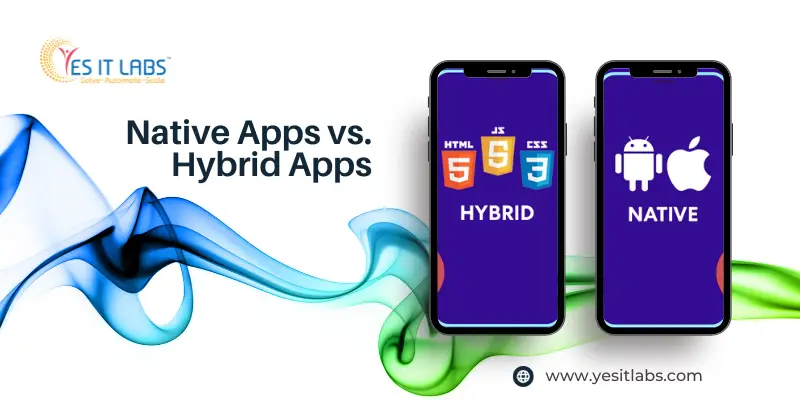
In the fast-evolving realm of mobile app development, one debate continues to spark discussions among developers and businesses alike: Native Apps vs. Hybrid Apps. It’s a tech tug of war that has been ongoing for quite some time, with each approach offering its own set of advantages and drawbacks. Let’s dive into this digital battleground and explore the nuances that define React Native Development and Hybrid App Development.

Understanding the Basics: Native Apps

Native apps are the gold standard when it comes to performance and user experience. Developed specifically for a particular operating system, be it iOS or Android, these apps leverage the full potential of the device’s capabilities. The language of choice for iOS is Swift or Objective-C, while Android relies on Java or Kotlin.

One significant advantage of native apps lies in their ability to seamlessly integrate with the device’s functionalities, resulting in a smoother and more responsive user experience. The downside, however, is that building separate codebases for iOS and Android can be time-consuming and resource-intensive.

The Rise of React Native Development

Enter React Native Development, a cross-platform framework that aims to bridge the gap between native performance and the efficiency of hybrid development. Developed by Facebook, React Native allows developers to write code in JavaScript and deploy it across multiple platforms. This means a single codebase for both iOS and Android, a dream come true for many development teams.

React Native achieves this cross-platform magic by using native components, ensuring that the app looks and feels like a native one. This approach significantly cuts down development time and costs while maintaining a high level of performance. It’s no wonder why giants like Facebook, Instagram, and Airbnb have embraced React Native for their mobile applications.

Hybrid Apps: The Middle Ground

On the other side of the battlefield, we have Hybrid App Development, a methodology that aims to strike a balance between native and cross-platform development. Hybrid apps are essentially web applications packaged within a native wrapper. They use web technologies like HTML, CSS, and JavaScript, making them more accessible for developers with web development skills.

The advantage of hybrid apps lies in their ability to share a single codebase across platforms, reducing development time and costs. However, the trade-off comes in the form of performance, as hybrid apps may not match the native speed and responsiveness.

The Technical Difference Between Native apps and Hybrid Apps

One crucial technical difference between native apps and hybrid apps is the way they interact with the device’s capabilities. Native apps have direct access to the device’s APIs and functionalities, optimizing performance and user experience. In contrast, hybrid apps rely on a web view component, which can introduce a layer of abstraction, potentially impacting performance.

Choosing the Right Path

So, the million-dollar question remains: which approach is better? The answer isn’t as straightforward as one might hope. It ultimately depends on the specific needs and priorities of the project.

If performance and a seamless user experience are non-negotiable, native development might be the way to go. However, if time and cost efficiency are crucial, especially for startups and smaller businesses, then React Native or Hybrid App Development could be the ideal solution.

Conclusion: A Harmonious Coexistence

In the ever-evolving landscape of mobile app development, the Native vs. Hybrid debate is not about finding a winner but rather about choosing the right tool for the job. Each approach has its strengths and weaknesses, and the decision should be based on the unique requirements of the project.

As technology advances, frameworks like React Native continue to push the boundaries of what’s possible in the hybrid space. The key is to stay informed, experiment with different approaches, and embrace the evolving nature of the tech world.

In this tech tug of war, the real victory lies in crafting exceptional user experiences that leave a lasting impression, regardless of whether it’s achieved through the precision of native development or the efficiency of cross-platform frameworks.

Introduction

In the ever-evolving landscape of web development, choosing the right technology stack is crucial for building robust and scalable applications. Two popular contenders that often find themselves in a code clash are Laravel vs. Node.js. These technologies, though distinct in their approaches, serve as powerful tools for developers. In this blog post, we’ll dive into the nuances of Laravel vs. Node.js, shedding light on their differences and helping you make an informed decision for your next project.


Laravel: The Elegance of PHP

Let’s start our exploration with Laravel, a PHP framework known for its elegant syntax and developer-friendly environment. Laravel follows the Model-View-Controller (MVC) architecture, providing a structured way to organize code. It comes bundled with an expressive ORM (Object-Relational Mapping) called Eloquent, making database interactions seamless.

One of Laravel’s strengths lies in its robust set of features, including a powerful templating engine called Blade, a modular packaging system, and built-in authentication. These features accelerate development and promote code reusability, contributing to a more efficient and maintainable codebase.

Hiring a Laravel developer ensures expertise in PHP and Laravel’s conventions. Laravel’s active community and extensive documentation make it a go-to choice for building Web Application Design & Development quickly and efficiently.


Node.js: Speed and Scalability with JavaScript

On the other side of the ring, we have Node.js, a runtime that allows developers to use JavaScript on the server side. Node.js is built on the V8 JavaScript engine and operates on a non-blocking, event-driven architecture. This design makes it exceptionally fast and scalable, making it ideal for real-time applications and microservices.

Node.js’s package manager, npm, is one of its standout features. With a vast repository of open-source packages, developers can easily integrate third-party libraries and modules into their projects, fostering a thriving ecosystem. Additionally, the ability to share code between the server and the client side further streamlines development.

Hiring a Node.js development company ensures access to skilled JavaScript developers who understand the intricacies of server-side development. The lightweight and nimble nature of Node.js makes it a top choice for applications that demand high concurrency and low response times.


Comparing the Titans

Now that we’ve had a brief overview of Laravel vs. Node.js, let’s compare them in a head-to-head clash:

  • Language: Laravel uses PHP, a server-side scripting language, while Node.js utilizes JavaScript, which can run both on the server and client sides. This duality in Node.js can lead to a more consistent codebase.
  • Performance: Node.js is renowned for its high performance and scalability, making it suitable for applications that require real-time communication. Laravel, while performant, may face bottlenecks in extremely high-traffic scenarios.
  • Learning Curve: Laravel’s elegant syntax and comprehensive documentation make it relatively easy for developers to pick up. Node.js, leveraging JavaScript, may be advantageous for those already familiar with the language.
  • Community and Ecosystem: Laravel boasts a vibrant community, but Node.js’s massive npm registry and extensive package ecosystem give it a slight edge in terms of available tools and resources.


Conclusion: Finding Your Champion

In the Laravel vs. Node.js showdown, there is no one-size-fits-all answer. The choice between these technologies depends on the specific requirements of your project, your team’s expertise, and the scalability demands you anticipate.

If you prefer the elegance of PHP, rapid development, and a feature-rich framework, hiring a Laravel developer might be the way to go. On the other hand, if you seek speed, scalability, and the ability to use JavaScript throughout your stack, a Node.js development company could be your champion.

In the end, both Laravel and Node.js have proven themselves as formidable contenders in the world of web development. The key is to understand your project’s needs and leverage the strengths of each technology to build powerful, efficient, and scalable applications.