Resources

NativeScript VS React Native

In the rapidly evolving world of mobile app development, cross-platform frameworks have gained significant traction due to their ability to streamline the process of building apps for multiple platforms simultaneously. Among the popular choices, NativeScript and React Native stand out as strong contenders. Both frameworks offer unique features and advantages, making the decision of choosing between them a crucial one for developers. In this blog post, we’ll dive into a comprehensive comparison of NativeScript and React Native to help you make an informed decision for your next app development project.

Introduction to NativeScript and React Native:


NativeScript: Developed by Progress, NativeScript is an open-source framework that enables developers to create native mobile apps using JavaScript, TypeScript, and Angular. One of its most notable features is its direct access to native APIs, allowing developers to leverage the full potential of the device’s capabilities.


React Native: Created by Facebook, React Native is another open-source framework that employs JavaScript and React to build native-like mobile applications. It’s lauded for its “learn once, write anywhere” philosophy, enabling developers to use a single codebase for both iOS and Android platforms.

Development Approach:

Both NativeScript and React Native aim to simplify cross-platform development, but they have differing approaches.


NativeScript: With NativeScript, you can build apps using a combination of XML-based markup for the UI and JavaScript/TypeScript for the logic. This approach allows developers to design rich and highly customizable UIs that mimic native UI components. The XML-to-native rendering pipeline ensures smooth performance.


React Native: React Native uses a declarative UI approach. Developers create components using JSX (a syntax extension for JavaScript), which is then compiled into native UI components. This approach offers a familiar development experience for those already comfortable with React web development.

UI Components and Customization:


NativeScript: NativeScript provides a wide range of UI components out of the box, allowing developers to build sophisticated and platform-specific user interfaces. It supports third-party libraries as well, enabling deeper customization of UI elements.


React Native: React Native also offers a set of basic components, and additional components can be added through third-party libraries. Its flexible architecture enables developers to customize components and create unique designs, although some customization might require writing native code modules.

Performance:


NativeScript: Since NativeScript directly accesses native APIs, it has the advantage of optimal performance. Apps built with NativeScript can achieve near-native performance levels, making it suitable for demanding applications.


React Native: While React Native’s performance has improved significantly over the years, it relies on a bridge to communicate between JavaScript code and native modules, which can introduce a slight performance overhead. However, for most applications, the difference in performance might not be noticeable.

Community and Ecosystem:


NativeScript: NativeScript has a growing community and offers a marketplace for plugins and extensions. It supports both Angular and Vue.js as frontend frameworks, providing developers with flexibility in their choice of technology stack.


React Native: React Native boasts a large and active community, which has led to a vast ecosystem of third-party libraries, tools, and resources. Its popularity also means there’s a wealth of knowledge and support available online.

Development Speed:


NativeScript: With its access to native APIs and tools like Hot Module Replacement, NativeScript facilitates rapid development and real-time changes. The direct native API access also means you can use platform-specific features more easily.


React Native: React Native’s “hot reloading” feature speeds up development by showing changes in the app without a full rebuild. However, the need to rely on native modules for some functionalities might introduce complexities that could impact development speed.

Community and Industry Adoption:


NativeScript: NativeScript has gained traction in specific niches and industries, particularly when deep native integration is essential. It’s often favored by enterprises looking to build powerful, performance-centric apps.


React Native: React Native’s wider adoption, driven by its backing from Facebook, has made it a popular choice across various industries. Its flexibility and expansive community have contributed to its widespread acceptance.

Conclusion:

The choice between NativeScript and React Native ultimately depends on your project’s requirements, your familiarity with the frameworks, and your team’s expertise. If you prioritize optimal performance and deep native integration, NativeScript might be the better choice. On the other hand, if you value a larger community, a broad range of resources, and a faster development cycle, React Native could be more suitable.

Remember that both frameworks have their strengths and weaknesses, and the decision should align with your project’s specific needs and goals. Whichever framework you choose, the cross-platform development landscape is sure to offer a streamlined approach to building stunning and powerful mobile applications.

YES IT Labs showcases expertise in NativeScript & React Native. When you Hire a React Native developer from us, expect skilled professionals delivering top-tier solutions for your project’s success.
Joomla vs. WordPress

In the ever-evolving landscape of web development, choosing the right content management system (CMS) is crucial to building a successful online presence. Two of the most popular options in this space are Joomla and WordPress. Each platform has its own strengths and weaknesses, catering to different needs and preferences. In this blog post, we’ll dive into the Joomla vs. WordPress debate and explore how YES IT Labs can provide top-notch services for both platforms.

Joomla: Power and Flexibility

Joomla is a versatile CMS known for its robustness and flexibility. It’s a preferred choice for websites that require intricate content structures and extensive user management. Joomla’s architecture allows for the creation of complex websites, including online stores, forums, and membership sites. Its extensibility is powered by a wide range of extensions, making it possible to customize your website’s functionality to a great extent.

WordPress: Simplicity and Popularity

WordPress, on the other hand, is renowned for its user-friendly interface and massive user base. It’s an excellent choice for bloggers, small businesses, and content-based websites. WordPress offers a plethora of themes and plugins that allow users to create and manage websites with minimal technical expertise. While it’s not as robust as Joomla in handling complex content structures, its simplicity and popularity make it an attractive option for those seeking a quick and easy setup.

The Joomla vs. WordPress Dilemma

Choosing between Joomla and WordPress largely depends on the specific requirements of your website. Here are some key factors to consider:

Complexity of the Project: If you’re building a website with intricate content hierarchies or advanced user permissions, Joomla might be the better option due to its more advanced organizational capabilities.

Ease of Use: WordPress shines when it comes to user-friendliness. If you’re not tech-savvy and need a straightforward setup, WordPress is likely the better choice.

Scalability: Joomla’s flexibility makes it a great choice for projects that might expand in the future, while WordPress is better suited for smaller-scale websites.

Community and Support: WordPress boasts a massive community and a vast number of tutorials and resources. Joomla has a strong community too, but it’s somewhat smaller than WordPress’.

Extensions and Themes: Both platforms offer a range of extensions and themes, but Joomla’s extensions often provide more complex functionalities out of the box.

YES IT Labs: Your Partner in Joomla and WordPress Services

No matter which platform you choose, having a reliable partner to assist you in development and maintenance is crucial. This is where YES IT Labs comes into play. As a leading IT services provider, YES IT Labs specializes in Joomla and WordPress services, offering the following:

Custom Development: YES IT Labs can tailor your website to your exact needs, whether it’s a Joomla-powered e-commerce site or a content-focused WordPress blog.

Theme and Template Design: The design of your website is vital. YES IT Labs can create visually appealing and responsive themes/templates that align with your brand identity.

Plugin and Extension Integration: Enhance your website’s functionality with custom plugins and extensions developed by YES IT Labs’ experienced professionals.

Migration and Upgrades: If you’re looking to switch from one platform to another or need to upgrade to the latest version, YES IT Labs can ensure a smooth transition.

Maintenance and Support: Keeping your website up-to-date and secure is a priority. YES IT Labs offers ongoing maintenance and support services to ensure your website’s optimal performance.

Conclusion

The Joomla vs. WordPress debate boils down to your website’s distinct needs. Both platforms offer remarkable features, and YES IT Labs can provide expert guidance regardless of your selection. With their proficient team, you can conceptualize, customize, and sustain your website, guaranteeing alignment with your objectives and vision. In the ever-evolving digital landscape, YES IT Labs emerges as your beacon of trust, transforming your website aspirations into a tangible reality.

OOP concepts

Introduction

Object-Oriented Programming (OOP) has been a fundamental paradigm in software development for several decades. In 2023, the landscape of programming languages and their features continues to evolve, and C# stands out as a prominent language that has embraced and refined OOP concepts. This blog takes a closer look at how C# has evolved its OOP concepts, providing developers with a robust and flexible toolset to create efficient, scalable, and maintainable software solutions.


The Pillars of OOP in C#

C# has long been associated with four key pillars of OOP: encapsulation, inheritance, abstraction, and polymorphism. While these concepts remain integral, C# in 2023 has introduced enhancements and refinements to each of these pillars.

  • Encapsulation: Encapsulation involves bundling data and methods that operate on that data into a single unit, thus restricting access to the inner workings of an object. In C#, encapsulation is strengthened by advanced access modifiers that allow developers to control the visibility of members, ensuring data integrity and security. The read only keyword for fields and properties has become more robust, enabling the creation of immutable objects.
  • Inheritance: Inheritance enables the creation of new classes that inherit properties and behaviors from existing classes. C# has enhanced inheritance with the introduction of “default interface methods,” allowing interfaces to provide a method implementation. This feature facilitates better compatibility with existing code when interfaces are extended.
  • Abstraction: Abstraction is the process of hiding complex implementation details while exposing only relevant features. In C#, interfaces and abstract classes have evolved to support better abstraction. Developers can now use “records” to declare lightweight, immutable data structures with automatically generated methods like equality checks, making code cleaner and more expressive.
  • Polymorphism: Polymorphism allows objects of different classes to be treated as instances of a common base class. In C#, advancements in polymorphism include the ability to use pattern matching with more complex types, enabling developers to write more concise and readable code when dealing with varying data structures.


Modern OOP Concepts in C#

In addition to refining the core OOP pillars, C# in 2023 introduces modern concepts that further empower developers to write clean, efficient, and maintainable code.

  • Records and Value Objects: Records, introduced in C# 9, provide a concise syntax for creating immutable data structures. They inherently support equality comparisons, making them ideal for modeling value objects. This addition reduces boilerplate code and enhances the expressiveness of C# in object modeling.
  • Nullable Reference Types: C# 8 introduced nullable reference types, allowing developers to distinguish between nullable and non-nullable reference types at compile-time. This helps catch null reference exceptions early in the development process, enhancing code reliability and reducing runtime errors.
  • Async Streams and IAsyncEnumerable: Asynchronous programming has become crucial for building responsive applications. C# 8 introduced async streams and the IAsyncEnumerable interface, making it easier to work with asynchronous sequences of data.
  • Source Generators: C# 9 introduced source generators, enabling the automatic generation of code during compilation. This can significantly improve performance and reduce repetitive tasks by generating boilerplate code, helping developers focus on high-level design.

Conclusion

In 2023, C# continues to be a powerful language that embraces and advances object-oriented programming concepts. Its evolution in encapsulation, inheritance, abstraction, and polymorphism, along with the introduction of modern features like records, nullable reference types, and source generators, empowers developers to create more efficient, robust, and maintainable software solutions. As technology continues to evolve, C# remains a solid choice for building applications that adhere to the principles of object-oriented programming while embracing modern development practices.

Computer Applications

In today’s digital age, computer applications have transcended mere computation and data processing. They have become an integral part of our daily lives, revolutionizing the way we work, communicate, learn, and entertain ourselves. From simple word processing to complex data analysis, computer applications have reshaped industries and empowered individuals. In this blog, we’ll delve into the fascinating world of computer applications, covering everything from the basics to the most advanced applications that are shaping our future.

Understanding Computer Applications

Computer applications are software programs designed to perform specific tasks or functions on a computer or other digital devices. These applications are developed to cater to various needs and purposes, ranging from personal use to professional and industrial applications. They encompass a wide range of software types, including productivity tools, entertainment software, educational applications, and more.

Types of Computer Applications

  • Productivity Applications: These are perhaps the most commonly used computer applications. They include word processors (Microsoft Word, Google Docs), spreadsheets (Microsoft Excel, Google Sheets), presentation software (Microsoft PowerPoint, Google Slides), and other tools that aid in creating, editing, and managing documents.
  • Communication Applications: Email clients, instant messaging apps, and video conferencing tools (Outlook, Gmail, Zoom) fall under this category. They enable seamless communication and collaboration across the globe.
  • Creative Software: Graphic design applications (Adobe Photoshop, Canva), video editing tools (Adobe Premiere Pro, Final Cut Pro), and music production software (Ableton Live, GarageBand) are used by professionals and hobbyists to create captivating content.
  • Entertainment Software: Video games, multimedia players (VLC, Windows Media Player), and streaming platforms (Netflix, Spotify) provide entertainment and relaxation.
  • Educational Applications: E-learning platforms and educational software (Khan Academy, Duolingo) offer interactive learning experiences, making education more engaging and accessible.
  • Utility Software: These applications serve specific functions, such as antivirus software (Norton, McAfee), file compression tools (WinRAR, 7-Zip), and disk optimization utilities (CCleaner).

Impact on Industries

Computer applications have transformed industries by streamlining processes, increasing efficiency, and enabling innovation. In the business sector, applications like customer relationship management (CRM) software and enterprise resource planning (ERP) systems have revolutionized how companies manage operations and interactions.

In healthcare, electronic medical records (EMR) and telemedicine applications—developed through advanced Healthcare Software Development have improved patient care and made medical services more accessible. The finance industry relies on applications for online banking, stock trading, and financial analysis.

Emerging Trends and Future Applications

  • Artificial Intelligence (AI) and Machine Learning (ML): AI-powered applications are becoming increasingly prevalent, transforming industries across the globe. From virtual assistants like Siri and Alexa to recommendation systems on streaming platforms and autonomous vehicles, these innovations are fueled by advanced AI and ML algorithms. Businesses are increasingly investing in AI Software Development Services to build intelligent solutions that enhance automation, improve decision-making, and deliver personalized user experiences.
  • Virtual and Augmented Reality: VR and AR applications are transforming industries like gaming, education, architecture, and tourism. They provide immersive experiences that bridge the gap between the digital and physical worlds.
  • Blockchain Applications: Blockchain technology goes beyond cryptocurrencies. It is now used for secure digital identity verification, supply chain transparency, and smart contracts.
  • Quantum Computing Applications: While still in its infancy, quantum computing has the potential to revolutionize fields like cryptography, optimization, and drug discovery.

Challenges and Considerations

As computer applications become more sophisticated, several challenges arise:

  • Security and Privacy: The increasing reliance on applications exposes users to potential security breaches and privacy concerns. Developers must prioritize robust security measures and data protection.
  • Compatibility and Integration: Ensuring that different applications work seamlessly together can be a complex task, especially as technology evolves.
  • User Experience: Developing applications that are intuitive and user-friendly is essential to ensure widespread adoption and positive user experiences.

Conclusion

The world of computer applications is vast and ever-evolving. From simplifying daily tasks to revolutionizing entire industries, these applications have become the backbone of modern society. Whether you’re a casual user or a professional, understanding the different types and trends in computer applications can empower you to make the most of this digital age. As technology continues to advance, we can only imagine the incredible innovations and applications that will shape our future.

Offshore Custom Software Development

Introduction

In the ever-evolving landscape of technology, businesses are constantly seeking innovative solutions to stay competitive and meet the demands of the modern market. Offshore custom software development has emerged as a strategic approach for organizations to harness cutting-edge expertise, cost-efficiency, and scalability. This article delves into the world of offshore custom software development, exploring its benefits, challenges, and best practices.

The Advantages of Offshore Custom Software Development:

  1. Access to Global Talent: Offshore custom software development allows companies to tap into a vast pool of skilled professionals from around the world. This diversity of talent provides fresh perspectives and a range of expertise, which can lead to more innovative and robust solutions.
  2. Cost-Efficiency: One of the primary drivers behind offshore development is cost savings. Outsourcing to countries with lower labor costs can significantly reduce the overall project expenses, enabling businesses to allocate resources to other critical areas.
  3. Faster Time-to-Market: Offshore development teams often operate in different time zones. This can result in a 24/7 work cycle, accelerating the development process and shortening the time-to-market for products or solutions.
  4. Scalability: Offshore teams are adaptable and can quickly scale up or down based on project requirements. This flexibility is especially beneficial for businesses with fluctuating development needs.
  5. Focus on Core Competencies: By outsourcing software development, businesses can focus on their core competencies and strategic initiatives. This division of labor enhances overall efficiency and effectiveness.


Challenges and Mitigation Strategies:

  1. Communication Barriers: Time zone differences, language barriers, and cultural nuances can lead to miscommunication. To mitigate this, establish clear communication protocols, leverage collaboration tools, and encourage regular video meetings.
  2. Quality Assurance: Ensuring the offshore team maintains high-quality standards requires well-defined processes, regular code reviews, and a strong focus on testing and QA.
  3. Intellectual Property Concerns: Protecting intellectual property (IP) can be a concern when working with offshore teams. Implement stringent NDAs and contracts that outline IP rights and confidentiality agreements.
  4. Time Zone Challenges: While time zone differences can expedite development, they can also lead to delays if not managed effectively. Overlap critical working hours and plan for sufficient overlap during key project phases.
  5. Cultural Understanding: Differing work cultures can impact project dynamics. Invest time in understanding and appreciating each other’s work cultures to foster a collaborative environment.


Best Practices for Successful Offshore Custom Software Development:

  1. Choose the Right Partner: Selecting the right offshore development partner is crucial. Evaluate their expertise, previous projects, and cultural compatibility. Look for a partner with a proven track record in your industry.
  2. Clearly Define Project Scope: Provide a detailed project scope document that outlines goals, functionalities, timelines, and expected outcomes. This serves as a roadmap for both teams and minimizes misunderstandings.
  3. Establish Strong Communication Channels: Use a mix of communication tools such as video conferencing, project management software, and instant messaging to ensure seamless and transparent communication.
  4. Agile Methodology: Implement Agile or similar iterative development methodologies. These frameworks encourage collaboration, adaptability, and continuous improvement, which are essential for offshore projects.
  5. Regular Updates and Reviews: Schedule regular progress updates and reviews to ensure alignment between both teams. This also facilitates quick identification and resolution of any potential issues.
  6. Build Relationships: Treat the offshore team as an extension of your in-house team. Foster a sense of camaraderie and collaboration through team-building activities and open communication.

Conclusion:

Offshore custom software development is a dynamic approach that empowers businesses to leverage global talent, enhance cost-efficiency, and accelerate project timelines. While challenges exist, they can be effectively managed through clear communication, meticulous planning, and a commitment to collaboration. By following best practices and choosing the right partners, organizations can navigate the seas of offshore development and reach the shores of success with innovative, customized solutions.

Power of Proof of Concept (POC) in Business

In the fast-paced world of business, innovation is the key to staying ahead of the competition. One of the fundamental tools that businesses utilize to test the viability of their innovative ideas before committing significant resources is the Proof of Concept (POC). In this blog post, we will delve into what exactly a POC is, its significance in the business landscape, and how YES IT Labs has made a mark in the world of POC development.

The Essence of Proof of Concept (POC)

A Proof of Concept, often abbreviated as POC, is a preliminary demonstration or test of the feasibility of a concept, idea, or technology. It serves as a miniature version of the larger project, designed to validate whether the proposed solution is practically achievable and can address the intended problem. POCs are generally designed to be simple and limited in scope, focusing on showcasing the core functionality of the concept.

The Significance of POC in Business

The process of developing a POC offers numerous advantages to businesses, including:

  • Risk Mitigation: Investing substantial resources into a full-scale project without prior validation can be risky. POCs provide an opportunity to identify potential flaws, technical challenges, and roadblocks early on, allowing businesses to mitigate risks.
  • Cost-Effectiveness: POCs are typically less resource-intensive than complete project implementations. If a POC reveals that the concept isn’t feasible or doesn’t yield the expected results, businesses can save considerable costs by avoiding a full-scale implementation.
  • Stakeholder Alignment: POCs provide a tangible representation of the concept, making it easier to communicate the idea to stakeholders, investors, and decision-makers. This alignment can be crucial in securing support and funding for the larger project.
  • Innovation Validation: POCs serve as a litmus test for innovation. They help validate whether a new idea or technology can perform as intended in real-world conditions.
  • Speed to Market: By quickly testing the waters with a POC, businesses can assess the market demand and competitive landscape before diving into full development. This can accelerate time-to-market for successful concepts.

YES IT Labs: Pioneering POC Development

When it comes to expertly crafting POCs and helping businesses realize their innovative ideas, YES IT Labs stands out as a leader in the field. With a track record of successful POC development across diverse industries, YES IT Labs brings the following strengths to the table:

  1. Technical Expertise: YES IT Labs boasts a team of seasoned professionals with deep technical expertise in various domains. This expertise enables them to design and develop POCs that accurately simulate the intended solution.
  2. Customization: Recognizing that every concept is unique, YES IT Labs tailors their POC development approach to suit the specific needs and objectives of each client. This results in POCs that accurately represent the envisioned solution.
  3. Agility: YES IT Labs understands the fast-paced nature of business. They prioritize agility in their POC development process, ensuring rapid turnaround times without compromising on quality.
  4. End-to-End Service: From conceptualization to execution, YES IT Labs provides end-to-end POC development services. This comprehensive approach streamlines the process for clients, allowing them to focus on the validation of their ideas.
  5. Proven Success: With a portfolio of successful POCs across industries such as healthcare, finance, and technology, YES IT Labs demonstrates their ability to deliver results that align with clients’ objectives.

Conclusion

The Proof of Concept (POC) is a pivotal tool that empowers businesses to validate their innovative ideas before making significant investments. YES IT Labs’ expertise in crafting tailored POCs has earned them a reputation as a trusted partner for businesses seeking to test the waters of innovation. Through technical prowess, customization, agility, and a history of success, YES IT Labs exemplifies the power of POCs in turning concepts into reality.

Enterprise Resource Planning Systems

Introduction

In today’s rapidly evolving business landscape, organizations are constantly striving to enhance efficiency, optimize resources, and streamline operations. One powerful tool that has emerged to address these challenges is the Enterprise Resource Planning (ERP) system. YES IT Labs, a leading technology solutions provider, recognizes the transformative potential of ERP systems and their ability to revolutionize how businesses manage their processes, data, and resources.

What is an ERP System?

An Enterprise Resource Planning (ERP) system is a comprehensive software solution that integrates various business processes and functions into a single, unified platform. It enables organizations to manage and automate critical operations across departments such as finance, human resources, manufacturing, supply chain, customer relationship management (CRM), and more. The primary goal of an ERP system is to facilitate real-time data sharing, improve decision-making, and enhance overall operational efficiency.


Key Features of ERP Systems

  • Centralized Data Management: One of the most significant advantages of an ERP system is its ability to centralize an organization’s data. Instead of maintaining separate databases for different departments, an ERP system stores all relevant information in a single repository, making it easier to access, update, and analyze data across the organization.
  • Process Automation: ERP systems automate manual processes by implementing workflows and standardized procedures. This automation minimizes human errors, reduces the time spent on repetitive tasks, and increases the overall efficiency of the organization.
  • Real-time Analytics and Reporting: With integrated data and reporting capabilities, ERP systems provide real-time insights into key performance indicators (KPIs) and business metrics. This empowers decision-makers to make informed choices and respond promptly to changing market conditions.
  • Improved Collaboration: ERP systems foster collaboration among departments by providing a shared platform for communication and data exchange. This ensures that all stakeholders are working with the same up-to-date information, leading to better coordination and decision-making.
  • Supply Chain Management: ERP systems help optimize the supply chain by tracking inventory levels, monitoring demand, and automating procurement processes. This reduces stockouts, minimizes excess inventory, and improves the overall supply chain efficiency.
  • Customer Relationship Management (CRM): Integrating CRM capabilities within an ERP system enables businesses to manage customer interactions, track sales leads, and provide personalized customer experiences. This leads to enhanced customer satisfaction and loyalty.

YES IT Labs: Empowering Businesses with ERP Solutions

YES IT Labs understands that no two businesses are the same, and their ERP solutions are tailored to address the unique needs of each client. With their deep expertise in technology and business process optimization, YES IT Labs offers a range of services related to ERP systems:

  • Consultation and Assessment: YES IT Labs collaborates with businesses to assess their current processes and technology infrastructure. This evaluation helps identify pain points and opportunities where an ERP system can bring about transformative changes.
  • Customization and Implementation: Based on the assessment, YES IT Labs designs and customizes an ERP solution that aligns with the business’s goals and requirements. The implementation process involves data migration, software integration, and user training.
  • Ongoing Support and Maintenance: The journey with YES IT Labs doesn’t end with implementation. Their dedicated support team ensures that the ERP system continues to function seamlessly, offering troubleshooting, updates, and enhancements as needed.

Conclusion

Enterprise Resource Planning systems have evolved into a critical tool for modern businesses aiming to optimize their operations, enhance decision-making, and stay competitive. YES IT Labs’ commitment to providing tailored ERP solutions underscores their dedication to assisting businesses in achieving their goals through technology. As organizations continue to seek ways to streamline processes and drive growth, partnering with YES IT Labs for ERP implementation can be a pivotal step toward success in today’s dynamic business landscape.

iOS 17 Developer Beta

In the ever-evolving landscape of mobile operating systems, Apple’s iOS has consistently stood out as a frontrunner, bringing innovation, style, and functionality to millions of devices worldwide. With the recent release of the iOS 17 developer beta, Apple enthusiasts and developers alike are buzzing with anticipation about the exciting features and improvements that are on the horizon. In this blog, we’ll delve into some of the highlights of iOS 17 and what they mean for both users and developers.


1. Revamped User Interface: A Breath of Fresh Air

One of the most noticeable changes in iOS 17 is the revamped user interface. Apple has taken a bold step by reimagining the design language, introducing subtle changes that add up to a refreshing and modern feel. Icons, typography, and visual elements have been refined to enhance clarity and legibility. Users can look forward to a more cohesive and aesthetically pleasing experience across the system.


2. Enhanced Privacy Features: Guarding Your Digital Footprint

Privacy has been a cornerstone of Apple’s ethos, and iOS 17 takes this commitment even further. The developer beta introduces new privacy features that provide users with more control over their data. From a detailed overview of app privacy practices on the App Store to Mail Privacy Protection that prevents senders from knowing when an email has been opened, these features empower users to safeguard their personal information.


3. Widgets and Customization: Tailoring Your Home Screen

iOS 17 builds upon the widget system introduced in iOS 14, allowing users to place widgets among their app icons, creating a dynamic and customizable home screen. This increased flexibility enables users to curate their device’s appearance to suit their preferences and needs. Developers can take advantage of the updated WidgetKit to create engaging and interactive widgets that provide real-time information at a glance.


4. Focus Mode: Minimize Distractions, Maximize Productivity

In a world brimming with notifications and digital distractions, iOS 17 introduces the Focus mode. This feature enables users to create custom modes that filter notifications and apps based on their current activity or location. Whether it’s work, personal time, or winding down in the evening, Focus mode ensures that users remain undistracted and productive.


5. Enhanced Augmented Reality (AR) Capabilities: Opening New Possibilities

iOS 17 leverages Apple’s continued investment in augmented reality. Developers can harness AR capabilities to create immersive and engaging experiences that blur the lines between the digital and physical worlds. With advancements like improved object occlusion and enhanced motion tracking, the potential for innovative AR applications is greater than ever before.


6. Xcode Cloud: Streamlining the Development Process

For developers, iOS 17 brings Xcode Cloud to the table. This integration streamlines the development process by allowing teams to collaborate seamlessly on building, testing, and delivering apps. With automated testing and continuous integration, developers can spend more time focusing on crafting exceptional user experiences.


7. Siri Improvements: A More Conversational AI

Siri gets smarter and more conversational in iOS 17. Developers can now integrate Siri into third-party apps, enabling users to interact with apps using natural language. This paves the way for enhanced voice-driven experiences and expands Siri’s utility beyond simple tasks.


8. Health and Fitness Upgrades: Prioritizing Wellbeing

Apple’s commitment to health and fitness takes a leap forward with iOS 17. New features include a redesigned Health app interface, improved sleep tracking, and expanded workout types. Users can have a more comprehensive view of their health data, aiding them in making informed decisions about their wellbeing.


Conclusion,

iOS 17 developer beta offers a plethora of exciting features that cater to both end-users and app developers. From an overhauled user interface to advanced privacy features, enhanced customization options, and improved developer tools, iOS 17 sets the stage for a more engaging, productive, and innovative mobile experience. As developers explore the beta and begin crafting applications that make the most of these features, users can eagerly anticipate the future of their iOS devices. Apple’s dedication to refining and expanding their ecosystem continues to shine through in this latest iteration.


YES IT Labs plays a pivotal role in iOS app development by offering expert guidance, cutting-edge technologies, and a client-centric approach. Their seasoned team of developers and designers harness the power of the latest iOS features to create innovative and user-friendly apps. From conceptualization to deployment, YES IT Labs ensures seamless development, thorough testing, and continuous support. Their commitment to excellence, adherence to best practices, and tailored solutions make them a go-to partner for businesses seeking to bring their iOS app ideas to life successfully. With YES IT Labs, clients experience a collaborative journey that transforms their visions into top-notch, feature-rich iOS applications.

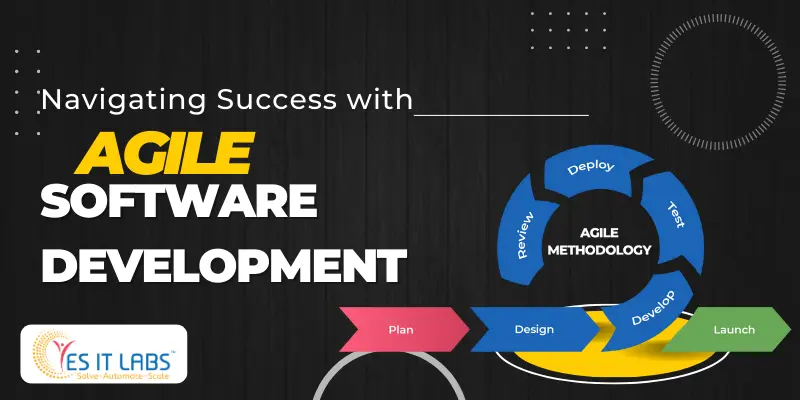
Agile Software Development

Introduction:

In the ever-evolving world of software development, a methodology has emerged that has transformed the way projects are approached, executed, and delivered. This game-changing approach is none other than Agile software development. In this blog, we will delve into the essence of Agile, its key principles, benefits, and how it has revolutionized the software development landscape.

Understanding Agile Software Development:

Agile software development is not merely a methodology; it’s a mindset, a philosophy that prioritizes flexibility, collaboration, and customer-centricity. Unlike traditional linear approaches, Agile embraces change as an integral part of the process and promotes iterative development cycles that lead to incremental improvements. It values people over processes, customer feedback over rigid plans, and working software over comprehensive documentation.

Key Principles of Agile:

Individuals and Interactions Over Processes and Tools: People and Interactions Agile places a strong emphasis on the value of great teamwork and communication over processes and tools. It understands that a project’s success depends on the people working on it and their ability to collaborate effectively.

Working Software Over Comprehensive Documentation: While documentation is necessary, Agile places greater value on delivering functional software. This ensures that the software remains aligned with customer needs and is continuously tested and refined.

Collaboration with the client during contract negotiations: Agile encourages client participation throughout the entire development process. Through frequent communication with clients, the team is better equipped to comprehend their changing demands and develop products that actually satisfy them.

Responding to Change Over Following a Plan: Agile welcomes changes, even late in development. It acknowledges that requirements can evolve over time, and being responsive to those changes is more important than rigidly sticking to a predefined plan.


Benefits of Agile Software Development:

Adaptability: Agile’s iterative approach enables teams to adjust to changing requirements, market conditions, or unforeseen challenges without derailing the entire project.

Faster Time-to-Market: By delivering functional increments of the software at regular intervals, Agile accelerates the time it takes to get a product into the hands of users, allowing for quicker feedback and validation.

Enhanced Quality: Frequent testing and continuous integration in Agile lead to higher-quality software, as defects are identified and addressed earlier in the development process.

Customer Satisfaction: Agile’s focus on customer collaboration ensures that the end product aligns with customer expectations and delivers genuine value.

Transparency: Agile practices, such as daily stand-up meetings and regular demos, foster transparency among team members, stakeholders, and customers, promoting better communication and alignment.

Conclusion:

Agile software development has revolutionized the way software projects are executed, transforming them from rigid, predictable endeavors into flexible, adaptive journeys. By valuing collaboration, flexibility, and customer feedback, Agile empowers teams to create software that is not only of high quality but also genuinely meets user needs. As businesses continue to face rapidly changing landscapes, embracing Agile principles is essential for staying competitive, innovative, and responsive in the dynamic world of software development.

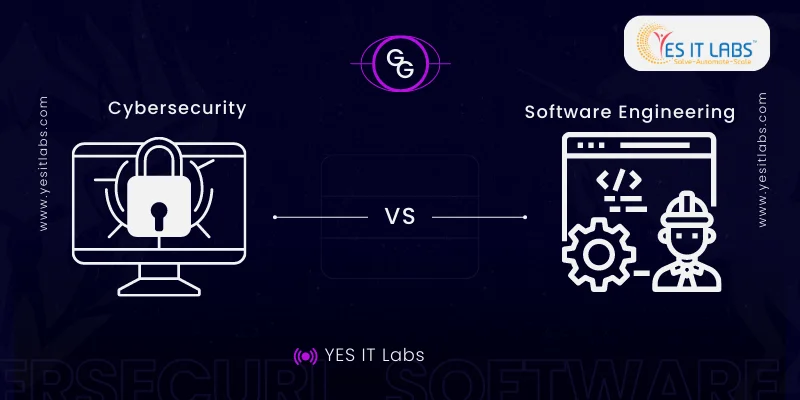
Cybersecurity vs. Software Engineering

Introduction

In today’s interconnected world, where technology plays an increasingly vital role in every aspect of our lives, the domains of cybersecurity and software engineering have emerged as pivotal disciplines. Both fields contribute to the development and protection of digital ecosystems, yet they possess distinct focuses and responsibilities. In this blog, we will explore the dynamic interplay between cybersecurity and software engineering, highlighting their differences, similarities, and the collaborative efforts required to ensure a safe and functional digital landscape.


Defining Cybersecurity and Software Engineering

Cybersecurity can be seen as the practice of safeguarding digital systems, networks, and data from unauthorized access, breaches, attacks, and other potential threats. It involves implementing strategies, tools, and practices to detect, prevent, and mitigate vulnerabilities that can compromise the confidentiality, integrity, and availability of sensitive information.

Software engineering, on the other hand, is the discipline that encompasses the design, development, testing, and maintenance of software applications and systems. It focuses on creating reliable, efficient, and user-friendly software that meets the needs of users and businesses. Software engineers collaborate to build intricate systems that power everything from smartphones and web applications to industrial control systems.

Divergent Goals, Convergent Collaboration

While cybersecurity and software engineering have distinct goals, they share a symbiotic relationship. Software engineering aims to create functional and user-friendly software, often prioritizing features, performance, and scalability. In contrast, cybersecurity prioritizes the identification and mitigation of potential risks and vulnerabilities that could be exploited by malicious actors. These differing goals highlight the need for collaboration between the two disciplines.

Secure Coding Practices: 

Software engineers play a pivotal role in fortifying software applications by adhering to secure coding practices. By writing code that is resistant to common vulnerabilities like SQL injection, cross-site scripting (XSS), and buffer overflows, they reduce potential entry points for cyberattacks.

Threat Modeling:

Cybersecurity professionals work closely with software engineers to identify potential threats and vulnerabilities during the design phase. By conducting threat modeling, they assess the system’s architecture and design to anticipate possible attack vectors and weaknesses.

Penetration Testing: 

Collaboration also extends to the testing phase. Ethical hackers, also known as penetration testers, work to expose vulnerabilities that might have been missed during development. Software engineers then address these vulnerabilities to strengthen the software’s security posture.

Continuous Monitoring: 

Post-development, cybersecurity experts engage in continuous monitoring to detect and respond to potential threats in real-time. This ongoing effort ensures that software remains secure even as new vulnerabilities emerge.

Training and Education: 

Collaboration is not limited to the professional realm. Training software engineers in fundamental cybersecurity principles and practices can empower them to build inherently secure software from the ground up.

Conclusion

In the ever-evolving landscape of technology, the collaboration between cybersecurity and software engineering is indispensable. Cybersecurity measures are the sentinels guarding the digital realm, while software engineers craft the tools that define it. By working together, these disciplines can build resilient systems that not only function optimally but also remain secure against an array of potential threats. As the digital landscape continues to evolve, the synergy between cybersecurity and software engineering will undoubtedly shape the future of technology in profound ways.