Resources

Introduction: 

In today’s digital age, having a strong online presence is crucial for businesses, organizations, and individuals alike. This is where web design and web development come into play. These two disciplines work hand in hand to create visually appealing, functional, and user-friendly websites that leave a lasting impression on visitors. In this blog, we’ll explore the world of web design and web development, discuss their key differences, and delve into the essential aspects of each. Let’s get started!


Web Design: Crafting Digital Aesthetics 


Web design, User interface (UI), User experience (UX), Visual aesthetics, Responsive design

Web design is the artistic side of creating websites. It focuses on the visual elements and overall aesthetics of a website, aiming to make it visually appealing, intuitive to navigate, and engaging for visitors. Here are some key aspects of web design:

  • User Interface (UI) Design: UI design deals with the layout and presentation of elements on a webpage. It involves creating a visually pleasing and consistent design language, including buttons, icons, navigation menus, and color schemes.
  • User Experience (UX) Design: UX design aims to enhance the overall user journey on a website. It involves creating wireframes and prototypes to optimize the user’s interaction with the site. A good UX design ensures that visitors can easily find what they’re looking for and have a positive experience.
  • Visual Aesthetics: The visual appeal of a website is crucial in capturing users’ attention. This includes selecting the right fonts, images, and graphics to convey the desired message and brand identity.
  • Responsive Design: With the increasing use of mobile devices, responsive design is essential. Web designers must ensure that websites look and function well on various screen sizes, from desktop monitors to smartphones.


Web Development: The Technical Backbone 


Web development, Front-end development, Back-end development, Programming languages, Database management

While web design frim focuses on the look and feel of a website, web development deals with the technical aspects that make it function. Here are key components of web development:

  1. Front-end Development: Front-end developers work on the client-side of a website, responsible for coding the elements users see and interact with. They use languages like HTML, CSS, and JavaScript to create responsive and interactive web pages.
  2. Back-end Development: Back-end developers handle the server-side of a website. They work with databases, server configurations, and server-side scripting languages like PHP, Python, and Ruby. This ensures that data is stored, retrieved, and processed efficiently.
  3. Programming Languages: Web developers use a variety of programming languages and frameworks to build websites. The choice of language often depends on the project’s requirements and the developer’s expertise.
  4. Database Management: Websites often rely on databases to store and retrieve information. Web developers manage database systems to ensure data integrity and security.


The Synergy of Design and Development 


Collaboration, Communication, Web projects, Cross-functional teams

In practice, web design and web development are closely intertwined. Successful web projects require effective collaboration between designers and developers. Here’s how they work together:

  • Communication: Designers and developers must communicate regularly to ensure the design vision aligns with technical feasibility. This prevents design elements that are difficult or costly to implement.
  • Cross-functional Teams: Many web development projects involve cross-functional teams that include designers, front-end developers, and back-end developers working together to achieve a cohesive result.
  • Iterative Process: Design and development often involve an iterative process where designs are refined based on technical constraints and user feedback. This continuous feedback loop ensures a better end product.


Conclusion: 

Web design and web development are the dynamic duo responsible for bringing websites to life on the internet. While web design focuses on the aesthetics and user experience, web development handles the technical backbone that makes websites functional. The successful synergy of these disciplines is essential for creating modern, responsive, and user-friendly websites that cater to the needs of today’s digital world.

In your web journey, remember that design and development are not standalone processes but collaborative efforts. By valuing the skills and expertise of both designers and developers, you can create websites that not only look stunning but also function seamlessly, leaving a lasting impression on your visitors.

Introduction

In today’s rapidly evolving technological landscape, software developers play a pivotal role in shaping our digital world. From creating innovative applications to building robust systems, software developers are the architects behind the software solutions that power our daily lives. In this blog, we’ll delve into the world of software development and explore the role of software developers in USA, the heart of the tech industry.


Software Development: A Brief Overview

Software development is a dynamic and ever-expanding field that involves the creation, maintenance, and improvement of software applications, systems, and websites. This process encompasses various stages, from initial concept and design to coding, testing, and deployment. Software developers are the driving force behind these stages, using their coding skills, problem-solving abilities, and creativity to bring ideas to life.


The Role of a Software Developer

A software developer, often referred to as a coder or programmer, is a professional responsible for designing, coding, and testing software applications or systems. They possess a deep understanding of programming languages, frameworks, and development tools. Software developers work closely with clients, product managers, and other stakeholders to turn project requirements into functional software solutions.


Key Responsibilities of a Software Developer:

  • Coding: Software developers write code using programming languages like Python, Java, C++, or JavaScript to create software applications.
  • Problem Solving: They identify and solve complex problems in software design and functionality, ensuring that the end product meets user requirements.
  • Testing: Developers conduct rigorous testing to find and fix bugs, ensuring the software functions seamlessly.
  • Collaboration: They work closely with cross-functional teams, including designers, testers, and project managers, to ensure the successful development and delivery of software projects.


Why USA Is Great for Software Developers

The United States is a global hub for technology and innovation, making it a hotspot for software developers. The country hosts some of the world’s leading tech giants, including Apple, Google, Microsoft, and Facebook, and is home to countless startups and software development companies.


Here are a few reasons why the USA is a thriving hub for software developers:

  • Diverse Job Opportunities: The USA offers a wide range of job opportunities for software developers, from Silicon Valley in California to the tech scenes in Seattle, Austin, and New York City.
  • Competitive Salaries: Software developers in USA often enjoy higher salaries compared to their counterparts in other countries, making it an attractive destination for tech professionals.
  • Cutting-Edge Projects: The USA is at the forefront of technology innovation, with many companies engaged in groundbreaking projects across various domains, such as artificial intelligence, machine learning, and blockchain.
  • Networking Opportunities: The tech community in the USA is highly interconnected, providing ample opportunities for software developers to network, collaborate, and learn from industry leaders.


Discovering Different Software Companies in USA

In the USA, there is no shortage of software development companies catering to a diverse range of clients and industries. These companies vary in size, specialization, and expertise. Whether you’re a startup looking to build your first app or an enterprise seeking to modernize your systems, you’ll find a software development company in USA that suits your needs.

Let’s take a closer look at the types of software development company in USA:

  • Startups: Many startups in the USA rely on software development companies to turn their innovative ideas into tangible products. These companies often provide end-to-end development services, from initial concept to product launch.
  • Consulting Firms: Consulting firms specialize in offering expert advice and guidance on software development projects. They help clients make informed decisions, select the right technologies, and optimize their development processes.
  • Enterprise Software Developers: Large enterprises often collaborate with specialized software development firms to build custom solutions that address their unique business needs. These companies have the expertise to handle complex projects at scale.
  • Web and App Development Agencies: Web and app development agencies focus on creating user-friendly websites and mobile applications. They excel in user interface (UI) and user experience (UX) design, ensuring that software is both functional and visually appealing.


Conclusion

Software development is a dynamic field that drives innovation and fuels technological advancements. Software developers are the backbone of this industry, and their expertise is in high demand, particularly in the tech-savvy USA. Whether you’re a software developer looking for exciting opportunities or a business in need of software solutions, the USA offers a vibrant ecosystem with a plethora of possibilities. The software development companies in USA are ready to turn your ideas into reality and propel your business forward in this digital age.

Content Management

Introduction

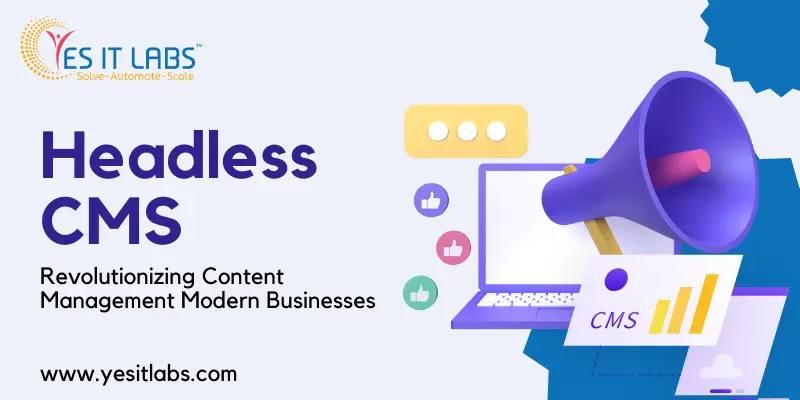
In today’s rapidly evolving digital landscape, the way we manage and deliver content plays a pivotal role in the success of businesses and organizations. Traditional Content Management Systems (CMS) have long been the backbone of content creation and distribution, but they often come with limitations that hinder the agility and flexibility required to meet the demands of modern consumers. This is where “Headless CMS” comes into the picture, revolutionizing content management by decoupling content creation from content delivery. In this blog post, we’ll delve into what a Headless CMS is, how it works, and why it’s gaining popularity in the world of web development.

Understanding Headless CMS

To understand the concept of a Headless CMS, let’s first break down the traditional CMS model. In a traditional CMS, such as WordPress or Drupal, the content creation and presentation layers are tightly coupled. This means that the content is created, organized, and delivered through a single monolithic system. While this approach has served well for many years, it comes with limitations in terms of flexibility, scalability, and adaptability to various digital platforms.

A Headless CMS, on the other hand, separates the content creation and management process from the content delivery and presentation. In essence, it provides a backend content repository where content is stored and managed, but it doesn’t dictate how or where that content is displayed. This decoupling allows for greater flexibility and customization in delivering content to different devices, platforms, and channels.

How a Headless CMS Works

A Headless CMS typically consists of two primary components:

  • Content Repository: This is where content creators and editors work. It’s a user-friendly interface that allows users to create, edit, and organize content. Content can be in the form of text, images, videos, or any other digital asset. The content is structured and stored in a database, making it easily accessible for future use.
  • Content Delivery API: This component is responsible for delivering content to various frontend applications, whether they are websites, mobile apps, IoT devices, or any other digital touchpoint. The API serves as a bridge between the content repository and the presentation layer, making content available via HTTP requests. Developers can use this API to retrieve and display content on their chosen frontend platforms.

The beauty of a Headless CMS lies in its flexibility. Developers have the freedom to use any programming language or technology stack to build the frontend, which can be optimized for specific devices and platforms. This decoupled architecture allows for a faster development process and easier content updates without affecting the frontend.

Advantages of Using a Headless CMS

The adoption of Headless CMS solutions has surged in recent years due to the numerous benefits they offer:

  • Multi-Channel Content Delivery: With a Headless CMS, you can effortlessly deliver content to websites, mobile apps, smart devices, chatbots, and more. This ensures a consistent user experience across various touchpoints.
  • Enhanced Flexibility: Developers are not tied to a specific CMS template or structure, enabling them to create unique and tailored frontend experiences that suit the needs of their audience.
  • Faster Development: Since the content creation and presentation layers are separate, development teams can work in parallel, resulting in faster time-to-market for digital projects.
  • Improved Security: Separating content delivery from the backend repository can enhance security by reducing the attack surface and limiting access to sensitive data.
  • Scalability: Headless CMS solutions are highly scalable, making them suitable for businesses of all sizes. As your content needs grow, the system can easily accommodate increased traffic and demand.
  • Content Reusability: Content can be repurposed and reused across different platforms and campaigns, saving time and effort for content creators.

Use Cases for Headless CMS

Headless CMS is not a one-size-fits-all solution, but its versatility makes it suitable for a wide range of use cases:

  • E-commerce: Online stores can utilize a Headless CMS to manage product listings, descriptions, and images while delivering a consistent shopping experience across web and mobile platforms.
  • Media and Publishing: News websites and media outlets can use a Headless CMS to streamline content creation and distribution across websites, mobile apps, and social media.
  • IoT and Smart Devices: Headless CMS can feed content to IoT devices, ensuring that they display the latest information and updates to users.
  • Mobile Applications: Mobile app developers can integrate a Headless CMS to manage and update app content without requiring users to download frequent updates.
  • Marketing Campaigns: Marketers can use a Headless CMS to create and distribute content across various marketing channels, ensuring a consistent brand message.

Conclusion

In an era where digital content is king, the flexibility and adaptability offered by Headless CMS are invaluable. Businesses and organizations can leverage this technology to deliver content seamlessly across a multitude of platforms, improving user experiences and staying competitive in an ever-evolving digital landscape. As the demand for personalized, multi-channel content delivery continues to grow, Headless CMS is poised to play a pivotal role in shaping the future of content management. Embracing this innovative approach can help businesses stay agile, responsive, and ahead of the curve in the digital world.

Partnering with a competent web design company is crucial for enhancing your existence in the virtual world. From igniting audience engagement to establishing credibility, the right web design team can transform your virtual space into a thriving ecosystem. After all, your online presence is the heartbeat of your brand. A carefully planned and implemented digital strategy can take you to prospects’ screens and into their homes!


Research conducted by Stanford University reveals that a whopping 75% of people form opinions about a company’s trustworthiness just by looking at its website design. Having a website that looks well done can greatly affect how people perceive your business and what they think about it.

But amidst the countless web design agencies vying for your attention, the real challenge lies in choosing the ideal fit. If you are also stuck at a crossroads and willing to make the right choice, this article is for you.

Below, we have listed all the factors you should consider when hiring a web design company for your brand.


Enlist Your Requirements

Before discussing website colors or fonts, you should first figure out what your business needs. This will help you decide what type of website is right for you. For instance, if you want to sell products online, you need a website with eCommerce capabilities. Or, if you want to showcase your work, a portfolio website is what you need.

But don’t worry too much!

If this sounds confusing, a team of experts from a web design company can make it easy for you. They will explain your choices and guide you to pick the best one that aligns with your business goals.


Decide Your Budget

A website requires a significant budget. It doesn’t matter if you’re doing it within your team or getting help from someone outside, like a freelance web designer or a company. Their time and effort need payment. Plus, there are other expenses too.

Remember not to set the budget too low when planning how much money to spend. It would help to consider the amount your business can comfortably spend and use that as a starting point. If someone gives you a price that’s too high, you can talk to them about making the project smaller to fit your budget better.

When settling the financial plan, you should also consider your brand’s design needs. For example, if you are low on budget, you can choose images from stock libraries instead of acquiring custom pictures. These websites provide royalty-free and high-quality images covering diverse niches.


Examine their Results and Portfolio

This is a really important part of picking a web design company. Most good web design companies have a collection of past work on their websites. You can look at these examples to see what they’ve done before.

When you talk to these companies, ask them about projects they’ve done that are similar to what you want. For example, if you are aiming for an eCommerce website, look at the product pages of their previous clients to get an idea of how they implement the elements. Or, if your business is about selling to other businesses, ask to see websites they’ve made for similar companies.

You want to find a company that’s been around for a while and knows much about making websites. Look for proof that they are good at it, and check out the designs they’ve made in the past.


Evaluate their Social Media Presence

The use of social media to promote your business is becoming more common in online marketing. If the web design company you’re checking out doesn’t have its own social media accounts, you might want to wonder if they’re good at online marketing like they say they are.

On the flip side, a web design company that truly understands the dynamics of online marketing would likely have its own active and engaging social media profiles. You can study the reviews and ratings on their profiles to understand their efficacy.


Study their Client Retention Rate

How long clients stick with a web designer or company can tell you a lot about how good their service is. If they have clients who have been working with them for many years, it means those clients really like their work and trust them.

You face different situations and challenges when you work with someone for a while. So, if a web designer or company can keep the same clients happy for a long time, it’s a sign that they’re good at adapting to changes and solving problems.

On the other hand, if a web design company has been around for a long time but can only keep clients for a year, it might mean clients need more confidence in their work. You can also ask the designer or company why clients stick around or choose to leave. Ask tough questions because their answers might give you a clear picture of what they’re like.


Talk About a Balanced Approach

All web designers can make things look nice, but not everyone can think about the whole picture. Your website is the center point for all your marketing (both online and sometimes even offline). A study by Blue Corona found that almost half (48%) of people think a business is trustworthy based on how its website looks. This makes it even clearer that having a website that looks good and professional is important.

Your website should be up-to-date with the newest technology and design styles. You don’t want a website that looks from a long time ago. Your customers want a website that is new and looks good.

A competent design company will use things that your users like. Your designer should know about designs that work on devices like phones and tablets. They should know how to make your website appear atop the search engines and be familiar with styles and effects like parallax scrolling. They should be able to mix what’s modern with what has already been proven to work.


Parting Notes

If a designer or design company has all the factors discussed earlier, it might be a good sign to move forward. But before you say yes, take a moment to think if there’s anything else you want to ask or talk about with the web designer.

When looking for a web design company, you’ll realize it’s difficult to find the right one. However, discussing your requirements with people around you can be helpful in narrowing down some of the best web design companies. Combine the recommendations with the above guidelines to make a well-informed decision that aligns with your business goals.

Business Process Outsourcing

In the ever-evolving world of business, organizations are under constant pressure to enhance efficiency, reduce costs, and stay competitive. One strategy that has gained significant prominence in recent years is Business Process Outsourcing (BPO). This practice involves entrusting specific non-core functions to external service providers, allowing companies to focus on their core competencies. In this blog, we will delve into the world of Business Process Outsourcing, exploring its benefits, challenges, and its role in shaping modern business landscapes.  


Understanding Business Process Outsourcing (BPO)

Business Process Outsourcing entails the delegation of specific business processes to specialized external partners. These processes can span various domains, including customer service, IT support, finance and accounting, human resources, and more. By outsourcing these functions, organizations can tap into the expertise of third-party providers, access advanced technologies, and streamline their operations without diverting their primary focus from core business objectives.  

The Benefits of BPO

  • Cost Efficiency: One of the primary reasons companies opt for BPO is cost reduction. Outsourcing eliminates the need for investing in infrastructure, technology, and training, allowing businesses to allocate resources more efficiently.
  • Access to Expertise: BPO providers often specialize in specific areas, offering domain expertise that might not be available in-house. This can lead to improved process quality and enhanced customer experiences.
  • Focus on Core Competencies: By outsourcing non-core functions, companies can redirect their efforts and resources toward activities that directly contribute to their core business goals.
  • Scalability: BPO offers scalability, enabling businesses to quickly adapt to changing demands without the need for substantial internal restructuring.
  • Time Savings: Outsourcing time-consuming tasks gives organizations the freedom to concentrate on strategic decision-making and growth-oriented initiatives.
  • Risk Management: BPO providers often assume responsibility for managing certain risks associated with the outsourced processes, providing companies with added protection.

Challenges of BPO

While the benefits of BPO are evident, it’s crucial to acknowledge the potential challenges:

  • Data Security and Privacy: Sharing sensitive data with external parties raises concerns about data security and compliance with data protection regulations.
  • Communication and Collaboration: Effective communication and collaboration between the company and the BPO provider are essential for successful outcomes.
  • Loss of Control: Entrusting processes to external partners might result in a perceived loss of control over those functions.
  • Quality Assurance: Ensuring consistent quality and performance from the BPO provider requires ongoing monitoring and oversight.
  • Cultural Differences: Global outsourcing might involve working with teams from diverse cultural backgrounds, necessitating cultural understanding and sensitivity.

Strategic Approach to BPO: Partnering with the Right Provider

To make the most of Business Process Outsourcing, organizations should adopt a strategic approach:

  • Define Objectives: Clearly outline the objectives of outsourcing and identify the processes that can be delegated for maximum impact.
  • Vendor Selection: Carefully choose a BPO provider that aligns with your business values, has a proven track record, and offers the required expertise.
  • Effective Communication: Establish strong lines of communication and collaboration to ensure the outsourced functions align with your business strategies.
  • Set Performance Metrics: Define key performance indicators (KPIs) to measure the success and effectiveness of the outsourced processes.
  • Regular Evaluation: Continuously assess the performance of the BPO provider and make necessary adjustments to optimize outcomes.

Conclusion

In a world where adaptability and efficiency are key, Business Process Outsourcing has become an invaluable tool for businesses seeking growth and success. By strategically selecting partners, fostering effective communication, and maintaining a clear focus on core competencies, organizations can harness the power of BPO to streamline their operations, reduce costs, and achieve sustainable success in today’s dynamic business landscape.

Software Development Process

In today’s fast-paced digital landscape, effective software development processes are crucial for businesses aiming to stay competitive and deliver high-quality products. A well-structured software development process can significantly enhance efficiency, reduce errors, and ensure timely delivery. In this blog, we will delve into seven essential ways to perfect your software development process and explore how YES IT Labs can play a pivotal role in this journey.

There are 7 Ways to Perfect Your Software Development Process with YES IT Labs

Clear Requirement Definition

The foundation of a successful software development process lies in clear requirement definition. Before embarking on development, it’s essential to have a comprehensive understanding of what the software should accomplish. YES IT Labs excels in requirement analysis, working closely with clients to ensure that project goals, functionalities, and scope are well-defined from the outset.

Agile Methodology Implementation

Agile methodologies, such as Scrum and Kanban, have transformed software development by emphasizing iterative development and continuous improvement. YES IT Labs embraces Agile practices, breaking down complex projects into manageable tasks, and providing regular updates. This approach fosters adaptability, enhances collaboration, and allows for quick adjustments based on feedback.

Effective Communication Channels

Smooth communication is vital for a streamlined development process. YES IT Labs establishes effective communication channels, ensuring that developers, project managers, and clients are always on the same page. Regular status updates, meetings, and transparent reporting help in tracking progress and identifying potential issues early.

Thorough Testing and QA

Quality assurance is non-negotiable in software development. Rigorous testing at different stages of development helps identify and rectify bugs, glitches, and performance issues. YES IT Labs employs a robust testing strategy to ensure that the software meets all functional and performance requirements before release.

Continuous Integration and Deployment (CI/CD)

Automated CI/CD pipelines accelerate the development process by allowing for frequent code integration and deployment. YES IT Labs leverages CI/CD practices to ensure that new code changes are seamlessly integrated, thoroughly tested, and deployed to production environments rapidly and reliably.

Scalability and Future-Readiness

A well-developed software product should be able to adapt and scale as user demands evolve. YES IT Labs considers scalability as a fundamental aspect of development, building solutions that can handle increased user loads and additional features without major disruptions.

Post-Launch Support and Maintenance

Software development doesn’t conclude with the product launch. Continuous support and maintenance are critical to address post-launch issues, implement updates, and incorporate user feedback. YES IT Labs offers ongoing support to guarantee that the software remains optimal, secure, and aligned with changing business needs.

How YES IT Labs Facilitates Software Development

YES IT Labs stands out as a partner in perfecting the software development process. Here’s how their expertise can help businesses achieve excellence:

Experienced Development Team

YES IT Labs boasts a team of experienced developers, project managers, and QA specialists who bring a wealth of expertise to each project. Their diverse skill set ensures that every aspect of the development process is meticulously executed.

Customized Solutions

Recognizing that each project is unique, YES IT Labs crafts tailored solutions that align with the specific requirements and objectives of the client. This approach ensures that the end product not only meets but exceeds expectations

Agile Adoption

With Agile at its core, YES IT Labs maximizes project flexibility and responsiveness. Their Agile adoption allows for seamless collaboration, frequent updates, and the ability to pivot based on evolving needs.

Quality Assurance

YES IT Labs integrates rigorous testing and QA processes throughout development. This commitment to quality guarantees that the final product is robust, reliable, and ready to deliver exceptional performance.

Innovation and Future-Proofing

The team at YES IT Labs doesn’t just develop for the present; they build for the future. By considering scalability and emerging technologies, they ensure that the software remains relevant and efficient as the industry evolves.

End-to-End Support

From initial concept to post-launch maintenance, YES IT Labs provides comprehensive support at every stage. This commitment to client success extends beyond development, creating long-term partnerships that drive growth.

Conclusion

Perfecting the software development process is a continuous journey that demands attention to detail, effective collaboration, and a commitment to quality. YES IT Labs stands as a trusted partner in this journey, offering the expertise and experience needed to deliver outstanding software solutions. By focusing on clear requirements, Agile methodologies, effective communication, thorough testing, continuous integration, scalability, and ongoing support, YES IT Labs ensures that businesses can navigate the complexities of software development with confidence, resulting in remarkable products that meet and exceed expectations.

HTML & CSS Code

Introduction

In the ever-evolving landscape of web development, having the right tools at your disposal can significantly impact your productivity and the quality of your work. HTML & CSS remain the backbone of web design, and using a reliable code editor can streamline your workflow and enhance your coding experience. In this blog post, we’ll explore the 8 best HTML & CSS code editors for 2023 that are worth considering for your projects.


Visual Studio Code (VS Code)

Visual Studio Code has consistently held its place as one of the most popular and versatile code editors. With its extensive library of extensions, it’s suitable for various programming languages, making it a favorite among developers. It offers a rich set of features for HTML and CSS editing, including auto-completion, syntax highlighting, and a built-in terminal for seamless coding.


Sublime Text

Sublime Text is renowned for its speed and simplicity. Its distraction-free interface and powerful customization options make it a great choice for developers who prefer a minimalist environment. With its multiple cursors and sleek navigation, you can easily manage HTML and CSS files.


Atom

Atom, developed by GitHub, is an open-source code editor that has gained a devoted following. Known for its hackability, you can tailor it to your needs using packages and themes. Its Git integration, smart autocompletion, and collaboration features make it a strong contender for web development projects.


Brackets

Brackets stands out with its live preview feature, allowing you to see changes in real-time as you code. It’s specifically designed for web development and offers a range of extensions for enhanced HTML and CSS editing. This editor’s unique Extract feature simplifies working with design elements directly from Photoshop files.


WebStorm

WebStorm is a robust IDE (Integrated Development Environment) that offers advanced coding assistance for HTML, CSS, and JavaScript. While it’s a commercial product, its intelligent code completion, navigation, and refactoring tools make it a valuable asset for professional web developers.


Notepad++

Notepad++ is a free, open-source code editor that’s been around for years and remains a solid choice for beginners and experienced developers alike. Its user-friendly interface, syntax highlighting, and customizable UI make it a reliable option for HTML and CSS coding.


CodeSandbox

CodeSandbox takes a unique approach by offering an online code editor and an integrated development environment. It’s perfect for experimenting with HTML and CSS code without the need for local installations. You can instantly see the output of your code as you make changes, making it an excellent choice for learning and quick prototyping.


Adobe Dreamweaver

Adobe Dreamweaver combines visual design capabilities with a robust code editor, catering to both designers and developers. It offers a live preview, code hints, and a wide array of features to streamline HTML and CSS coding. While it’s a paid option and might be considered overkill for simple projects, it’s a powerful tool for creating complex, visually stunning websites.


Conclusion

Selecting the right HTML & CSS code editor is a crucial decision for every web developer. The 8 options outlined in this article – Visual Studio Code, Sublime Text, Atom, Brackets, WebStorm, Notepad++, CodeSandbox, and Adobe Dreamweaver – offer a range of features catering to different needs and preferences. Whether you’re a beginner learning the ropes or a seasoned developer working on intricate projects, there’s undoubtedly a code editor on this list that will enhance your coding experience in 2023 and beyond.

Windows Software Development Kit

In the ever-evolving digital landscape, robust and versatile software is crucial. For developers building applications on the Windows platform, the Windows Software Development Kit (SDK) offers an extensive suite of tools and resources to simplify and enhance the development process. This article explores the key components of the Windows SDK, its benefits, and how developers can leverage it for efficient and high-performance application development.

What is the Windows Software Development Kit (SDK)?

The Windows SDK is a comprehensive collection of tools, libraries, headers, documentation, and sample code that enables developers to build applications optimized for Windows environments. Whether developing traditional desktop applications or modern UWP (Universal Windows Platform) apps, the SDK provides everything needed to integrate seamlessly with the Windows ecosystem.

Key Components of the Windows SDK

1. APIs and Libraries

Windows SDK grants access to an extensive set of APIs and libraries that allow developers to harness the full capabilities of the Windows platform. These APIs support various functionalities, including:

  • User Interface (UI): Components for creating intuitive and responsive Windows-based UIs.
  • Networking: Tools for managing network connections, web services, and cloud interactions.
  • Security: Authentication, encryption, and security mechanisms to protect applications and data.
  • Graphics and Multimedia: DirectX and other multimedia libraries for rendering and media playback.

2. Developer Tools

The SDK comes equipped with powerful tools that enhance productivity and streamline the development cycle:

  • Compilers: Optimized tools for translating source code into machine code efficiently.
  • Debuggers: Advanced debugging utilities for identifying and resolving application issues.
  • Profiling and Performance Analysis: Tools that help optimize application performance and resource utilization.
  • Windows App Certification Kit: Ensures applications meet Microsoft’s compatibility and certification requirements.

3. Documentation and Learning Resources

Microsoft provides extensive documentation with the Windows SDK, making it easier for developers to understand and implement best practices. Key resources include:

  • API Reference Guides: Detailed explanations of available APIs and their usage.
  • Tutorials and Sample Code: Ready-to-use code snippets that demonstrate real-world applications of various features.
  • Developer Forums and Support: Access to community discussions and expert insights.

Benefits of Using the Windows SDK

1. Seamless Windows Integration

The SDK ensures that applications work smoothly with Windows OS features, such as native notifications, background services, and system resource management.

2. Cross-Device Compatibility

With support for UWP, developers can create applications that run across multiple Windows devices, including desktops, tablets, Xbox, and HoloLens.

3. Enhanced Security and Compliance

Built-in security frameworks allow developers to integrate authentication, data protection, and secure communications into their applications, ensuring compliance with industry standards.

4. Performance Optimization

Profiling and debugging tools enable developers to fine-tune applications for better speed, memory efficiency, and overall performance.

Best Practices for Windows Development with the SDK

  1. Keep the SDK Updated: Microsoft frequently updates the SDK with new features, bug fixes, and security improvements.
  2. Leverage Sample Code: Studying existing code snippets can save time and provide practical insights into API usage.
  3. Follow UI/UX Guidelines: Adhering to Windows design principles ensures a consistent and user-friendly experience.
  4. Test Across Different Windows Versions: Ensuring compatibility across multiple versions of Windows increases accessibility for a broader audience.
  5. Utilize Debugging and Profiling Tools: Regularly analyzing performance can prevent bottlenecks and improve application efficiency.

The Role of YES IT Labs in Windows Development

YES IT Labs is a trusted Windows development company specializing in Windows application development. With a team of experienced developers proficient in leveraging the Windows SDK, we create tailored solutions that meet diverse business needs. From enterprise software to consumer applications, YES IT Labs follows industry best practices to ensure seamless integration, optimal performance, and enhanced security for Windows-based applications. Our expertise spans across UI/UX design, backend development, and cloud-based solutions, making them a reliable partner for businesses seeking robust Windows software solutions.

Conclusion

The Windows Software Development Kit is an essential toolkit for any developer building applications for the Windows ecosystem. With its rich set of APIs, powerful development tools, and extensive documentation, the SDK provides everything needed to create high-performance, secure, and scalable applications. Whether you’re developing enterprise software, gaming applications, or productivity tools, the Windows SDK offers the resources necessary to bring innovative solutions to life efficiently and effectively. If you’re looking to hire Windows developer, understanding the full potential of the SDK is key to creating powerful and efficient software solutions.

Advantages of Android App Development

Introduction

In today’s rapidly evolving technological landscape, mobile applications have become an integral part of businesses’ success strategies. Among the various platforms available, Android stands out as the leading operating system, powering millions of devices worldwide. As we delve into 2023, the advantages of Android App Development company have become even more pronounced, offering businesses unparalleled opportunities for growth, engagement, and innovation.


Global Reach and Market Dominance:

Android’s dominance in the global smartphone market is undeniable. With a significant market share, businesses can tap into a vast user base, reaching potential customers from diverse backgrounds and geographies. This extensive reach provides a competitive advantage that can propel businesses to new heights.


Open Source Advantage:

Android’s open-source nature encourages innovation and customization. Developers can tailor applications to meet specific business requirements, leading to unique and engaging user experiences. This flexibility fosters creativity, enabling companies to create apps that align perfectly with their brand identity and user expectations.


Diverse App Distribution:

The Google Play Store, Android’s official app distribution platform, allows businesses to publish their apps with relative ease. This global platform offers exposure to millions of users, aiding in app discovery and user acquisition. Moreover, the absence of stringent app review processes (compared to other platforms) means quicker deployment and updates.


Cost-Effectiveness:

Developing Android apps tends to be more cost-effective than their iOS counterparts. The availability of open-source development tools and a wide range of resources in the Android ecosystem helps reduce development costs. This makes Android app development a viable option for startups and small businesses with limited budgets.


Integration with Google Services:

Android’s integration with Google services, such as Gmail, Google Drive, and Google Maps, enhances user experience and provides valuable tools for businesses. Leveraging these services can lead to seamless user interactions, efficient data management, and improved location-based services.


High Customizability:

Android’s user interface can be customized extensively, allowing developers to design apps that align with the latest design trends and user preferences. This adaptability ensures that apps stay visually appealing and relevant, enhancing user engagement and satisfaction.


IoT and Wearable Compatibility:

As the Internet of Things (IoT) and wearable technology gain momentum, Android’s compatibility with these emerging trends provides businesses with opportunities to create interconnected applications that span various devices. This connectivity fosters innovative solutions that cater to users’ evolving needs.


YES IT Labs: Elevating Android App Development

In the journey of harnessing Android’s potential, businesses often seek expert partners to transform their app ideas into reality. This is where YES IT Labs comes into play as a leading player in the Android App Development company.


Expertise:

YES IT Labs boasts a team of experienced Android developers who stay abreast of the latest industry trends and technological advancements. Their proficiency in Java, Kotlin, and other relevant technologies ensures that apps are developed with the highest standards of quality and performance.


Custom Solutions:

YES IT Labs understands that each business is unique, with distinct goals and requirements. Their approach involves collaborating closely with clients to develop tailored solutions that align with their business objectives. This customization leads to apps that resonate deeply with the target audience.


User-Centric Design:

The team at YES IT Labs places a strong emphasis on user-centric design principles. They create intuitive, visually appealing, and easy-to-navigate interfaces that enhance user engagement and drive positive interactions.


Agile Development:

YES IT Labs follows agile development methodologies, ensuring that projects are executed efficiently and with maximum flexibility. This approach allows for iterative development, rapid prototyping, and seamless adaptation to changes in project scope or requirements.


Quality Assurance:

Ensuring the quality and reliability of Android apps is a top priority at YES IT Labs. Rigorous testing processes are implemented to identify and address any potential issues, delivering a polished product to clients and end-users alike.


Conclusion:

As businesses seek to gain a competitive edge in 2023’s dynamic market, Android app development company emerges as a powerful tool for growth and innovation. With its global reach, customization options, and cost-effectiveness, Android apps have the potential to transform business operations and user experiences. When partnered with a reputable development agency like YES IT Labs, businesses can harness the advantages of Android app development to create impactful solutions that resonate with their target audience. So, seize the moment, embrace Android, and embark on a journey of enhanced engagement and success.

Online Business with WooCommerce

Introduction

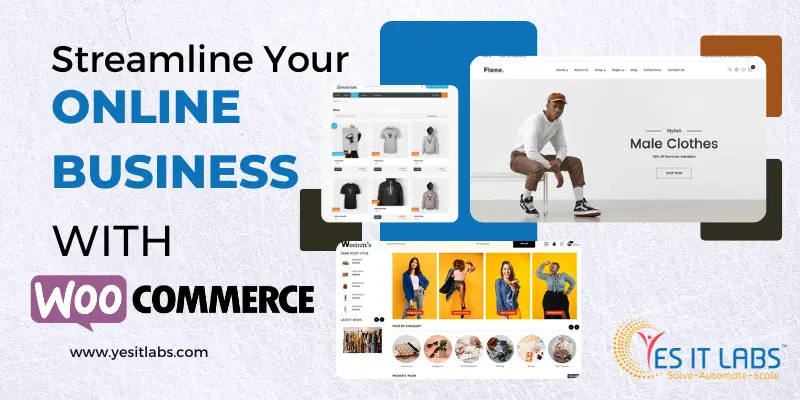
In the fast-paced digital era, establishing a robust online presence is paramount for businesses to succeed. E-commerce platforms have revolutionized the way businesses operate, allowing them to reach a global audience and operate 24/7 without the constraints of brick-and-mortar stores. WooCommerce, a powerful plugin for WordPress, has emerged as a game-changer for entrepreneurs looking to establish and expand their online stores. In this blog post, we’ll delve into the world of WooCommerce and explore how YES IT Labs can assist you in harnessing its potential to drive your e-commerce success.


The Power of WooCommerce: Fueling E-commerce Dreams

WooCommerce is a free and open-source plugin designed for WordPress, the world’s leading content management system (CMS). This dynamic combination empowers entrepreneurs to effortlessly transform their WordPress websites into feature-rich e-commerce stores. With its user-friendly interface and extensive customization options, WooCommerce has become the go-to solution for businesses of all sizes.


User-Friendly Setup: One of the standout features of WooCommerce is its ease of setup. Even if you have limited technical expertise, you can get your online store up and running within minutes. The plugin offers a step-by-step setup wizard that guides you through the process of adding products, configuring payment gateways, and choosing shipping options.


Flexibility and Customization: Every business is unique, and WooCommerce understands that. The platform offers a wide range of themes and extensions that allow you to tailor your online store’s look and functionality according to your brand’s personality and customers’ preferences.


Scalability: Whether you’re a small startup or an established enterprise, WooCommerce can grow with your business. As your product catalog expands and your customer base increases, the platform can handle the load, ensuring a seamless shopping experience for users.


Inventory Management: WooCommerce simplifies inventory management by offering tools to track stock levels, set up alerts for low stock, and even manage variations of products like sizes and colors.


Detailed Analytics: Data-driven decisions are crucial for business growth. WooCommerce provides in-depth analytics that give you insights into sales, customer behavior, and popular products. This information empowers you to optimize your strategies and drive revenue.

YES IT Labs: Your Partner in WooCommerce Success

While WooCommerce offers a plethora of features and possibilities, maximizing its potential requires expertise and strategic implementation. This is where YES IT Labs comes into play. As a seasoned technology partner, YES IT Labs specializes in e-commerce solutions and can provide invaluable assistance in harnessing the power of WooCommerce for your business.


Tailored Development: YES IT Labs understands that every business has unique requirements. Their team of experienced developers can customize your WooCommerce store to align with your brand identity and cater to your specific needs. Whether it’s creating a responsive design, integrating third-party services, or developing custom plugins, they have the expertise to bring your vision to life.


Optimized User Experience: In the competitive world of e-commerce, user experience can make or break your business. YES IT Labs can optimize your WooCommerce store’s user interface and navigation to ensure that visitors have a seamless and enjoyable shopping journey. From intuitive product categorization to a streamlined checkout process, they focus on enhancing every touchpoint.


Performance Enhancement: Slow-loading websites can lead to high bounce rates and lost sales. YES IT Labs employs techniques to optimize the performance of your WooCommerce store, ensuring quick page load times, efficient caching, and overall smooth functionality.


Security and Updates: Keeping your e-commerce store secure is paramount. YES IT Labs implements robust security measures to safeguard your customers’ data and your business’s reputation. Additionally, they stay updated with the latest WooCommerce developments, ensuring your store benefits from the newest features and security patches.


Ongoing Support: Launching a WooCommerce store is just the beginning. YES IT Labs offers ongoing support and maintenance services to keep your store running smoothly. Whether it’s resolving technical issues, updating plugins, or providing guidance on utilizing new features, they’re dedicated to your long-term success.

In conclusion

WooCommerce has emerged as a powerhouse in the world of e-commerce, offering businesses an unparalleled opportunity to thrive in the digital landscape. With its user-friendly setup, customization options, and scalability, WooCommerce is a versatile platform that can cater to businesses of all sizes. However, to fully harness its potential, partnering with experts like YES IT Labs can make all the difference. Their expertise in WooCommerce development, user experience optimization, performance enhancement, security, and ongoing support can empower your business to excel in the competitive online marketplace. So, if you’re looking to establish or revamp your e-commerce store, consider WooCommerce as your platform of choice, and YES IT Labs as your strategic partner for success.